

Maintaining a front brake pad kit in cold weather is crucial for both the safety and performance of your vehicle. As a front brake pad kit supplier, I understand the unique challenges that cold temperatures pose to brake systems. In this blog post, I'll share some essential tips on how to keep your front brake pad kit in top condition during the cold months.
Understanding the Impact of Cold Weather on Brake Pads
Cold weather can significantly affect the performance of your front brake pad kit. When temperatures drop, the materials in the brake pads become stiffer, which can reduce their friction coefficient. This means that the brake pads may not grip the brake rotors as effectively, leading to longer stopping distances and potentially compromising your safety on the road.
Additionally, cold weather can cause moisture to accumulate on the brake components, including the brake pads and rotors. This moisture can lead to rust and corrosion, which can further degrade the performance of the brake system. In extreme cases, rust and corrosion can cause the brake pads to stick to the rotors, resulting in uneven braking and increased wear on the brake components.
Pre - Cold Weather Inspection
Before the cold weather sets in, it's essential to conduct a thorough inspection of your front brake pad kit. Here are the key steps to follow:
Visual Inspection
- Check Pad Thickness: Measure the thickness of the brake pads. Most brake pads come with a wear indicator that will let you know when it's time to replace them. If the brake pads are worn down to the recommended minimum thickness, it's time to install a new front brake pad kit.
- Look for Damage: Inspect the brake pads for any signs of damage, such as cracks, chips, or uneven wear. Damaged brake pads should be replaced immediately to ensure safe braking performance.
- Examine the Rotors: Check the brake rotors for signs of wear, scoring, or warping. If the rotors are damaged, they may need to be resurfaced or replaced, depending on the severity of the damage.
Functionality Test
- Test the Brakes: Take your vehicle for a short test drive and pay attention to how the brakes feel. If you notice any unusual noises, vibrations, or a spongy brake pedal, it could indicate a problem with the brake system that needs to be addressed.
Cold Weather Maintenance Tips
Keep Your Vehicle in a Garage
If possible, park your vehicle in a garage during cold weather. This will protect the brake components from the elements and help prevent moisture from accumulating on them. A garage also provides a more stable temperature environment, which can help keep the brake pads and rotors in better condition.
Regularly Use Your Vehicle
Even in cold weather, it's important to regularly use your vehicle. When you drive, the heat generated by the braking action helps to evaporate any moisture that may have accumulated on the brake components. This can prevent rust and corrosion from forming. However, make sure to give your brakes a gentle test after starting your vehicle in cold weather to ensure they are functioning properly.
Use High - Quality Brake Pads
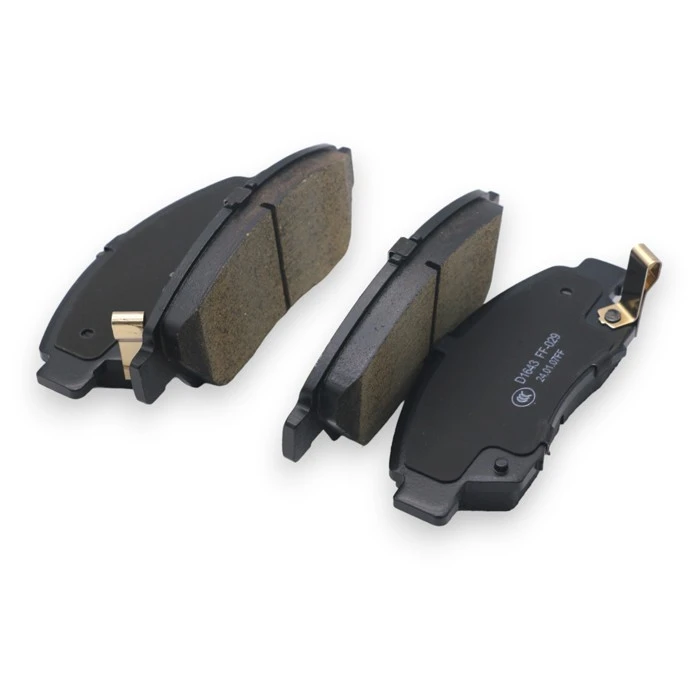
Investing in high - quality brake pads is essential, especially in cold weather. Our Semi - metallic Ceramic Brake Pads and Ceramic Dust Free Brake Pads are designed to perform well in a wide range of temperatures, including cold weather. These brake pads offer excellent stopping power and are more resistant to wear and corrosion compared to lower - quality alternatives.

Clean the Brake Components
Periodically clean the brake components to remove any dirt, debris, or salt that may have accumulated on them. Salt, in particular, can be very corrosive to the brake pads and rotors, especially in areas where it is used to de - ice roads. You can use a brake cleaner and a soft brush to gently clean the brake pads and rotors. Make sure to follow the manufacturer's instructions when using brake cleaner.
Post - Cold Weather Inspection
Once the cold weather has passed, it's important to conduct another inspection of your front brake pad kit. This will help you identify any damage or wear that may have occurred during the cold months.
Re - check Pad Thickness and Condition
Measure the thickness of the brake pads again and check for any signs of damage or excessive wear. If the brake pads are close to the minimum thickness or show signs of significant wear, it's time to replace them.
Inspect the Rotors
Check the brake rotors for any signs of rust or corrosion that may have developed during the cold weather. If the rotors are rusty, you may be able to remove the rust by gently sanding the surface with fine - grit sandpaper. However, if the rust is severe or the rotors are warped, they may need to be resurfaced or replaced.
Conclusion
Maintaining a front brake pad kit in cold weather requires a combination of pre - cold weather inspection, proper maintenance during the cold months, and post - cold weather inspection. By following these tips, you can ensure that your front brake pad kit performs well and provides reliable stopping power, even in the coldest of temperatures.
As a front brake pad kit supplier, we offer a wide range of high - quality Vehicle Brake Pads that are suitable for all types of vehicles and weather conditions. If you have any questions about our products or need advice on brake pad maintenance, please don't hesitate to contact us. We're here to help you keep your vehicle safe on the road.
References
- Brake System Basics: A Guide to Understanding How Your Brakes Work. Auto Repair Handbook.
- Cold Weather Driving Tips: Keeping Your Brakes in Top Shape. National Highway Traffic Safety Administration.