

Adjusting the brake pads on a bus is a crucial maintenance task that ensures the safety and optimal performance of the vehicle. As a supplier of high - quality bus brake pads, I'm well - versed in the entire process. In this article, I'll walk you through the steps of adjusting bus brake pads and also share some insights into different types of brake pads available from our product range.
Understanding the Importance of Brake Pad Adjustment
Bus brakes are one of the most critical safety components of the vehicle. Over time, brake pads wear down due to friction. When they are worn, the braking efficiency decreases, and it can lead to longer stopping distances, which is extremely dangerous, especially for a large vehicle like a bus that carries many passengers. Regular adjustment of the brake pads can help maintain the proper clearances between the pads and the brake discs or drums, ensuring consistent and reliable braking performance.
Step - by - Step Guide to Adjusting Bus Brake Pads
Step 1: Preparation
Before starting the adjustment, gather all the necessary tools. You'll need a jack, jack stands, a socket wrench set, a brake adjustment tool, a torque wrench, and safety glasses. First, park the bus on a flat, stable surface and engage the parking brake. Make sure to set the wheel chocks on the wheels that won't be lifted to prevent the bus from rolling.
Step 2: Lift the Bus
Using the jack, carefully lift the end of the bus where the brake pads need adjustment. Once the wheel is slightly off the ground, place the jack stands under the appropriate lifting points and lower the bus onto the stands. This provides a stable and safe working environment. Remove the wheel by loosening the lug nuts with the socket wrench.
Step 3: Access the Brake Assembly
After removing the wheel, you'll have access to the brake assembly. If your bus uses disc brakes, you'll see a caliper and a brake rotor. For drum brakes, there will be a drum and a set of brake shoes.
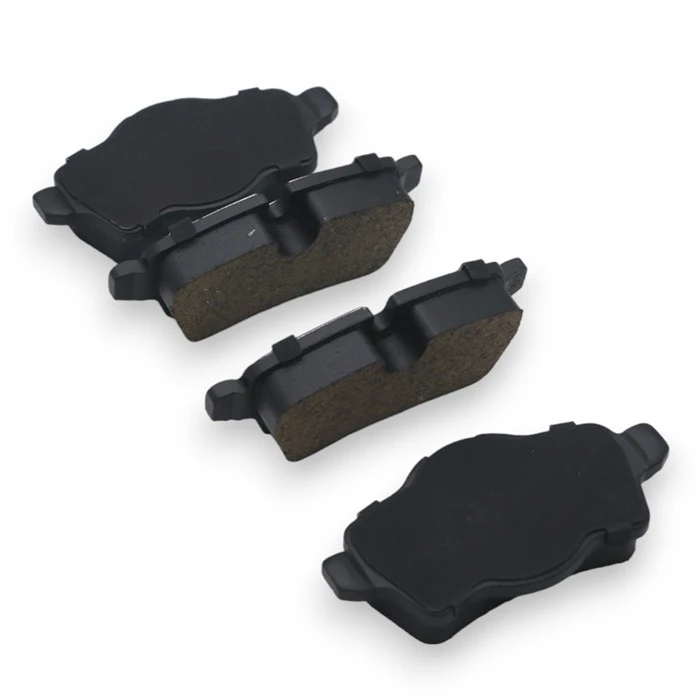

Step 4: Inspect the Brake Pads
Before making any adjustments, visually inspect the brake pads. Look for signs of excessive wear, uneven wear, or damage. If the brake pads are less than the recommended thickness, they should be replaced rather than adjusted. You can also check the condition of the brake discs or drums for scoring, cracking, or warping.
Step 5: Adjusting Disc Brakes
If you're dealing with disc brakes, start by locating the caliper adjustment mechanism. Some calipers have an adjuster screw that can be turned to increase or decrease the clearance between the brake pads and the rotor. Use the brake adjustment tool to turn the screw in the appropriate direction. As you turn the screw, you'll feel the brake pads moving closer to or farther from the rotor. You want to achieve a small, even clearance on both sides of the rotor. Once you've adjusted the clearance, use the torque wrench to tighten any bolts on the caliper to the manufacturer's recommended torque settings.
Step 6: Adjusting Drum Brakes
For drum brakes, the adjustment process is a bit different. First, remove the drum. You'll see the brake shoes inside. There is usually an adjuster wheel or screw mechanism. Use the brake adjustment tool to turn the adjuster. As you turn it, the brake shoes will move outward towards the drum. You need to adjust the shoes until they just barely drag against the drum when you rotate it by hand. This ensures that there is enough contact for effective braking but not so much that it causes premature wear.
Step 7: Reassemble and Test
After adjusting the brake pads, reassemble the brake components. Put the drum back on for drum brakes or re - attach the caliper for disc brakes. Then, reinstall the wheel and tighten the lug nuts in a star pattern to the correct torque. Lower the bus off the jack stands using the jack. Once the bus is back on the ground, test the brakes by slowly driving the bus forward and applying the brakes gently a few times. Make sure the brakes feel smooth and responsive.
Different Types of Bus Brake Pads
As a bus brake pad supplier, we offer a variety of brake pads to meet different customer needs.
- Discs And Pads: Our Discs And Pads are designed for high - performance and long - lasting use. They provide excellent stopping power and are engineered to withstand the heavy loads and constant use associated with buses. The advanced materials used in these brake pads ensure minimal noise and dust generation, making them a popular choice among bus operators.
- Carbon Metallic Brake Pads: Carbon Metallic Brake Pads are another great option. These pads combine the strength of metallic materials with the heat - dissipating properties of carbon. They offer superior braking performance in both normal and high - stress situations. The carbon metallic composition also helps reduce brake fade, which is crucial for buses that operate on hilly terrains or in stop - and - go traffic.
- Silent Stop Ceramic Brake Pads: If noise reduction is a priority, our Silent Stop Ceramic Brake Pads are the way to go. These pads are made from ceramic materials that are extremely quiet during operation. They also produce less dust compared to other types of brake pads, which helps keep the wheels clean. Despite their quiet nature, they still provide reliable and consistent braking performance.
Conclusion
Adjusting bus brake pads is a task that requires attention to detail and the right tools. By following the steps outlined in this article, you can ensure that your bus brakes are in top condition. As a trusted supplier of bus brake pads, we are committed to providing high - quality products that meet the strictest safety and performance standards. Whether you're looking for Discs And Pads, Carbon Metallic Brake Pads, or Silent Stop Ceramic Brake Pads, we have the solution for you.
If you're interested in our bus brake pads or need further information about brake maintenance, please don't hesitate to contact us for a purchase negotiation. Our team of experts is ready to assist you in finding the best brake pads for your buses and answering any questions you may have.
References
- Automobile Brake Systems Manual.
- Bus Maintenance Guide from leading manufacturers.