

Hey there! As a commercial brake pads supplier, I'm super stoked to break down how these bad boys work. You might be thinking, "Brake pads? They just stop my vehicle, right?" Well, there's a whole lot more going on under the hood, or in this case, under the wheels.
Let's start with the basics. When you hit the brake pedal in your commercial vehicle, you're initiating a complex chain reaction. It all begins with the brake pedal itself. When you press it, you're actually applying force to a piston in the master cylinder. This master cylinder is filled with brake fluid, which is a special hydraulic fluid designed to transfer force effectively.
The pressure you create on the brake pedal is transmitted through the brake fluid to the brake calipers. The brake calipers are like the muscle of the braking system. They house the brake pads and are responsible for squeezing them against the brake rotors. This is where the magic happens.
Now, let's talk about the brake pads themselves. Commercial Brake Pads are made up of a few key components. The friction material is the most important part. It's the part that comes into direct contact with the brake rotor. When the calipers squeeze the brake pads against the rotor, the friction material creates resistance. This resistance converts the kinetic energy of the moving vehicle into thermal energy, or heat. That's how your vehicle slows down and eventually comes to a stop.
But not all friction materials are created equal. There are different types of friction materials used in commercial brake pads, each with its own advantages and disadvantages. One common type is semi-metallic friction material. It's made up of a combination of metal fibers, such as steel, and other materials like graphite and ceramic. Semi-metallic brake pads are known for their high performance and durability. They can handle high temperatures and heavy loads, making them a popular choice for commercial vehicles.
Another type is ceramic friction material. Ceramic brake pads are quieter and produce less dust than semi-metallic pads. They also have a longer lifespan and provide a smoother braking experience. However, they tend to be more expensive.
Organic friction material is another option. It's made from natural materials like rubber, glass, and resin. Organic brake pads are the quietest and produce the least amount of dust. They're also the most affordable option. However, they have a lower heat tolerance and may not be suitable for heavy-duty applications.
Now, let's take a closer look at how the brake calipers work. There are two main types of brake calipers: floating calipers and fixed calipers. Floating calipers are the most common type. They're designed to move slightly in order to center the brake pads on the rotor. When the brake pedal is pressed, the piston in the caliper moves, pushing one brake pad against the rotor. The caliper then slides on its mounting pins, which causes the other brake pad to also press against the rotor.
Fixed calipers, on the other hand, are more complex and expensive. They have multiple pistons on both sides of the caliper, which allows for more even pressure distribution. This results in better braking performance and less wear on the brake pads. Fixed calipers are often used in high-performance and heavy-duty vehicles.
The brake rotors also play a crucial role in the braking system. They're the large, circular discs that the brake pads squeeze against. Brake rotors are made from cast iron or composite materials. Cast iron rotors are the most common type. They're durable and can handle high temperatures. Composite rotors, on the other hand, are lighter and more efficient. They're often used in high-performance vehicles to improve fuel efficiency.
When the brake pads squeeze against the rotors, a lot of heat is generated. This heat can cause the brake pads and rotors to wear out over time. That's why it's important to choose high-quality Commercial Vehicle Brake Pads that can handle the heat. It's also important to maintain your braking system properly. This includes regularly checking the brake pads for wear, replacing them when necessary, and flushing the brake fluid every few years.
One thing to keep in mind is that the braking system is a complex and interconnected system. All the components, including the brake pads, calipers, rotors, and brake fluid, need to work together in harmony for the system to function properly. If one component fails, it can affect the performance of the entire system.
For example, if the brake fluid is low or contaminated, it can reduce the effectiveness of the braking system. The brake pads may not be able to create enough friction to stop the vehicle quickly. Similarly, if the calipers are not working properly, they may not be able to squeeze the brake pads against the rotor with enough force.

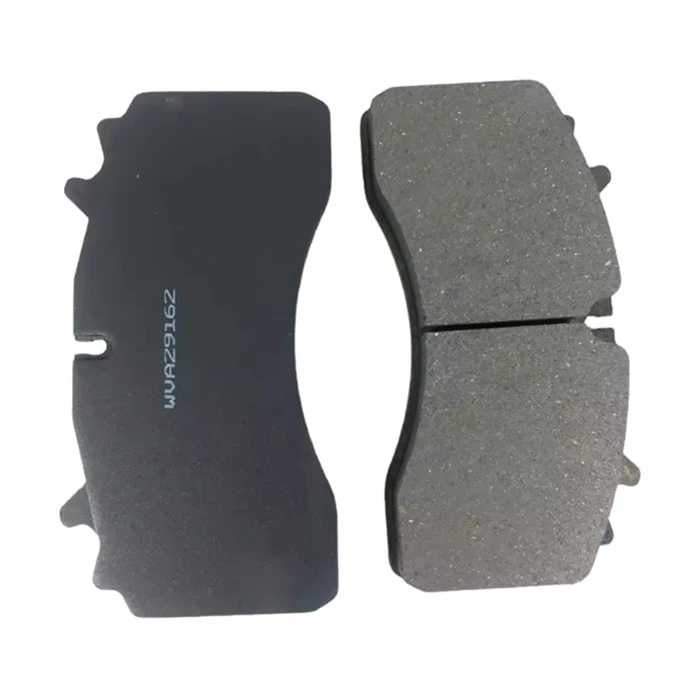
Let's talk about some of the factors that can affect the performance of commercial brake pads. One of the biggest factors is the load. Commercial vehicles are often carrying heavy loads, which puts more stress on the braking system. The brake pads need to be able to handle the increased load and stop the vehicle safely. That's why it's important to choose brake pads that are rated for the specific weight and type of vehicle you're using.
The driving conditions also play a role. If you're driving in stop-and-go traffic, the brake pads will be used more frequently. This can cause them to wear out faster. On the other hand, if you're driving on the highway, the brake pads will be used less often, but they may need to handle higher speeds.
Another factor is the quality of the brake pads. Cheaper brake pads may not be made from high-quality materials and may not perform as well as more expensive ones. They may wear out faster, produce more dust, or make more noise. That's why it's worth investing in high-quality 29087 Truck Brake Pad that are designed to meet the specific needs of your commercial vehicle.
In conclusion, commercial brake pads are a crucial part of the braking system in commercial vehicles. They work by creating friction against the brake rotors, which converts the kinetic energy of the moving vehicle into heat. There are different types of brake pads available, each with its own advantages and disadvantages. It's important to choose the right type of brake pads for your vehicle based on factors like load, driving conditions, and budget.
If you're in the market for commercial brake pads, I'd love to chat with you. Whether you have questions about the different types of brake pads, need help choosing the right ones for your vehicle, or are ready to place an order, I'm here to assist. Let's have a conversation and find the perfect brake pads for your commercial needs.
References
- Automotive Brake Systems Handbook, various industry publications
- Technical documentation from brake pad manufacturers