

Hey there, fellow car enthusiasts! As a supplier of Car Metallic Brake Pads, I've had my fair share of customers asking about the differences between car metallic brake pads and low-metallic brake pads. So, I thought I'd take a moment to break it down for you in a way that's easy to understand.
First off, let's talk about what brake pads are and why they're so important. Your brake pads are a crucial part of your car's braking system. When you press the brake pedal, the brake pads clamp down on the brake rotors, creating friction that slows down or stops your vehicle. Without good brake pads, your car wouldn't be able to stop safely, so it's essential to choose the right ones for your needs.
Car Metallic Brake Pads
Car metallic brake pads are made up of a mixture of metals, such as steel, copper, and iron. These metals give the brake pads their durability and high-performance capabilities. One of the biggest advantages of metallic brake pads is their excellent heat dissipation. When you're braking, a lot of heat is generated, and if that heat isn't dissipated properly, it can cause the brake pads to wear out faster or even fail. Metallic brake pads are designed to handle high temperatures, making them a great choice for high-performance vehicles or drivers who do a lot of heavy braking, like towing or driving in mountainous areas.

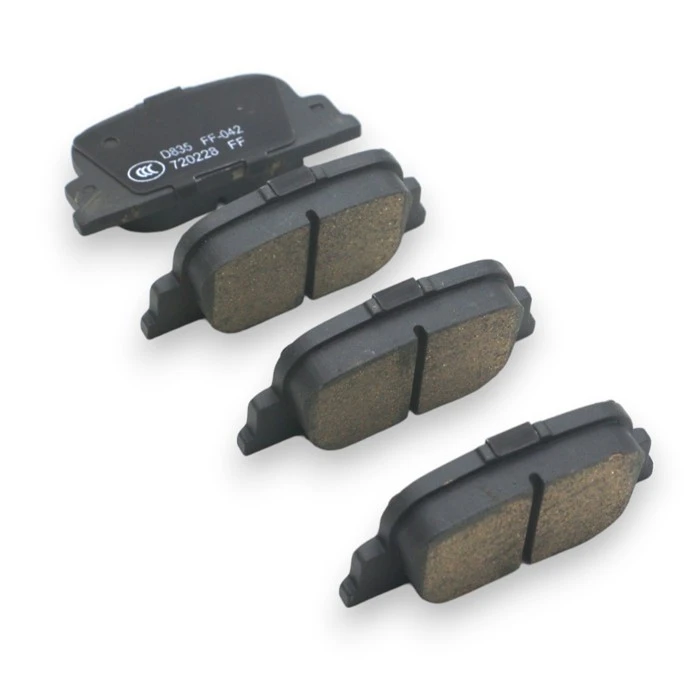
Another benefit of metallic brake pads is their long lifespan. Because they're made of tough metals, they can withstand a lot of wear and tear, which means you won't have to replace them as often as other types of brake pads. This can save you money in the long run, as you won't have to keep buying new brake pads every few months.
However, metallic brake pads aren't without their drawbacks. One of the main complaints about metallic brake pads is the noise they can produce. When the metal in the brake pads rubs against the brake rotors, it can create a high-pitched squeal or a grinding noise. This can be annoying, especially if you're used to a quiet ride. Additionally, metallic brake pads can be more expensive than other types of brake pads, which might be a consideration for some budget-conscious drivers.
Low-Metallic Brake Pads
Low-metallic brake pads, on the other hand, contain a smaller amount of metal in their composition. They usually have a higher percentage of other materials, such as ceramic or organic compounds. These brake pads are known for their quiet operation. Because they have less metal, there's less chance of the high-pitched squealing or grinding noise that's often associated with metallic brake pads. This makes them a popular choice for drivers who value a quiet and comfortable ride.
Low-metallic brake pads also tend to produce less dust than metallic brake pads. The dust from brake pads can accumulate on your wheels, making them look dirty and reducing their aesthetic appeal. If you're someone who likes to keep your car looking clean, low-metallic brake pads might be a better option for you.
In terms of performance, low-metallic brake pads are generally good for everyday driving. They provide reliable braking power and are suitable for most driving conditions. However, they may not be the best choice for high-performance driving or heavy-duty applications. Because they have less metal, they may not be able to handle as much heat as metallic brake pads, which can lead to reduced braking performance over time.
Comparing the Two
So, how do car metallic brake pads compare to low-metallic brake pads? Well, it really depends on your driving style and needs. If you're a high-performance driver who likes to push your car to the limit, or if you do a lot of heavy braking, metallic brake pads are probably the way to go. Their high heat dissipation and long lifespan make them ideal for these types of situations.
On the other hand, if you're an everyday driver who values a quiet ride and wants to keep your wheels clean, low-metallic brake pads might be a better fit. They offer reliable braking performance for normal driving conditions and are less likely to make noise or produce a lot of dust.
Let's take a look at some specific aspects of comparison:
Braking Performance
In terms of pure braking power, metallic brake pads usually have the edge. The high metal content allows them to generate more friction, which means they can stop your car more quickly. This is especially important in emergency situations where every second counts. Low-metallic brake pads, while still providing adequate braking performance, may not be as effective in high-stress situations.
Durability
As mentioned earlier, metallic brake pads are more durable than low-metallic brake pads. They can withstand more wear and tear, which means they'll last longer. This is a significant advantage, as it reduces the frequency of brake pad replacements and saves you money in the long run.
Noise and Dust
Low-metallic brake pads win the battle when it comes to noise and dust. They're designed to operate quietly and produce less dust, which is great for a comfortable and clean driving experience. Metallic brake pads, on the other hand, can be noisy and generate more dust, which might be a turn-off for some drivers.
Cost
Metallic brake pads are generally more expensive than low-metallic brake pads. This is due to the higher cost of the metals used in their production. However, when you consider their long lifespan and high performance, the extra cost might be worth it in the long run.
Our Car Metallic Brake Pads
At our company, we're proud to offer high-quality Car Metallic Brake Pads. Our brake pads are designed to provide excellent braking performance, durability, and heat dissipation. We use only the finest metals and advanced manufacturing techniques to ensure that our brake pads meet the highest standards of quality.
We also offer a range of other brake pad products, such as Rear Brake Pad Kit and Slotted Brake Pads. These products are designed to meet the specific needs of different vehicles and driving styles. Whether you're looking for a replacement rear brake pad kit or a set of slotted brake pads for improved performance, we've got you covered.
Contact Us for Procurement
If you're interested in learning more about our car metallic brake pads or any of our other brake pad products, we'd love to hear from you. We're always happy to answer any questions you might have and help you find the right brake pads for your vehicle. Whether you're a car enthusiast, a mechanic, or a fleet manager, we can provide you with the high-quality brake pads you need at a competitive price.
Don't hesitate to reach out to us for procurement. We're ready to discuss your requirements and start a partnership that will keep your vehicles braking safely and efficiently.
References
- Brake Pad Materials and Their Performance Characteristics, SAE International
- Automotive Brake Systems: Design, Analysis, and Testing, Society of Automotive Engineers
That's all for now, folks! I hope this blog post has helped you understand the differences between car metallic brake pads and low-metallic brake pads. If you have any more questions or comments, feel free to leave them below. Safe driving!