

In the automotive industry, the question of whether rear drum brake shoes can be used in high - performance vehicles is a topic that sparks considerable debate. As a rear drum brake shoe supplier, I've delved deep into this subject, considering various technical aspects, performance requirements, and market trends.
Understanding Rear Drum Brake Shoes
Before we explore their suitability for high - performance vehicles, let's first understand what rear drum brake shoes are. Rear drum brake shoes are a crucial component of the drum brake system. The system consists of a brake drum that rotates with the wheel and brake shoes that are mounted inside the drum. When the brake pedal is pressed, the brake shoes are forced against the inner surface of the drum, creating friction and slowing down the rotation of the wheel.
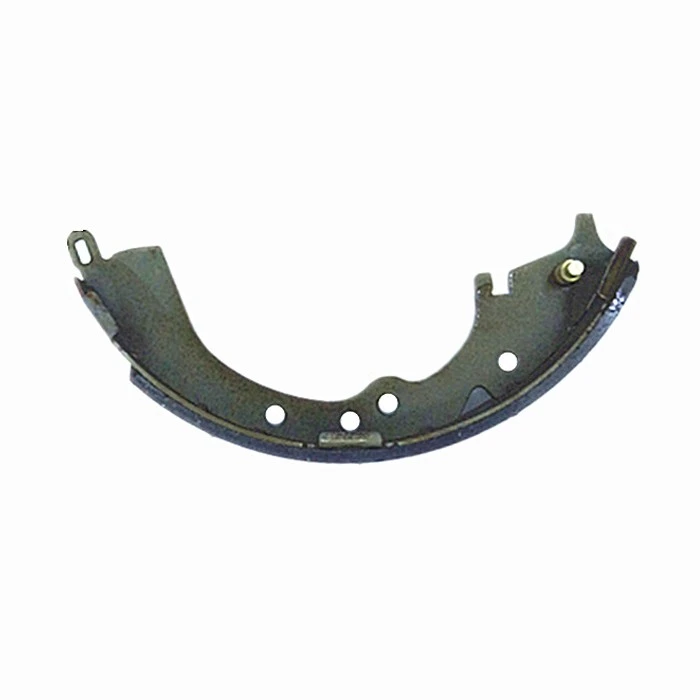
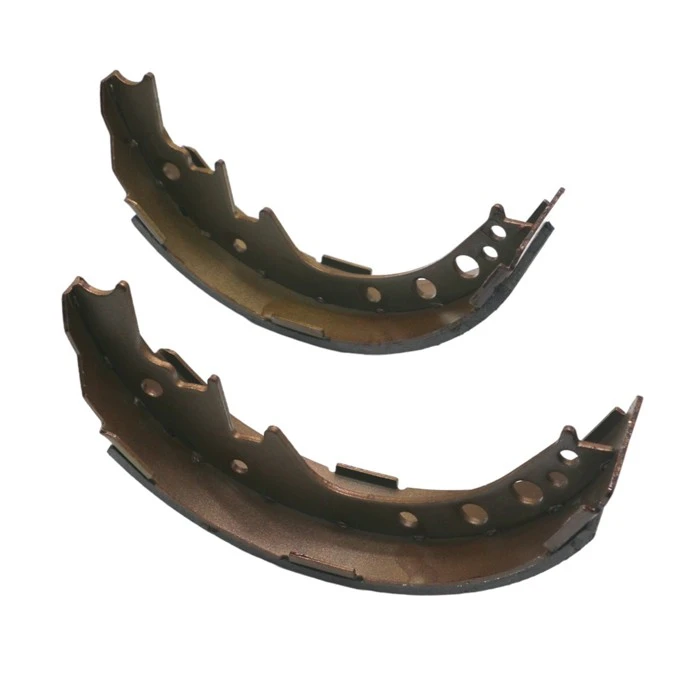
Drum brake systems have been around for a long time and were once the standard for most vehicles. They are known for their simplicity, durability, and cost - effectiveness. Rear drum brake shoes are typically made of a friction material bonded to a metal backing plate. The friction material is designed to provide the necessary stopping power while also being resistant to wear and heat.
There are different types of rear drum brake shoes available in the market. For example, you can find Automobile Brake Shoes which are specifically designed for cars and light - duty vehicles. Trailer Drum Brake Shoes are used for trailers, and Handbrake Brake Shoes are an essential part of the hand - braking mechanism.
Characteristics of High - Performance Vehicles
High - performance vehicles are designed to deliver exceptional speed, acceleration, and handling. These vehicles often have powerful engines, advanced suspension systems, and high - tech electronics. When it comes to braking, high - performance vehicles require a braking system that can handle the extreme forces generated during high - speed driving and rapid deceleration.
The braking requirements of high - performance vehicles are significantly different from those of regular vehicles. They need brakes that can provide consistent and reliable stopping power, even under repeated heavy use. Heat dissipation is also a critical factor, as high - speed braking generates a large amount of heat. If the brakes cannot dissipate heat effectively, the brake performance can degrade, leading to longer stopping distances and potential safety risks.
Advantages of Rear Drum Brake Shoes
Despite the high - end requirements of high - performance vehicles, rear drum brake shoes do have some advantages that could potentially make them suitable in certain situations.
Cost - Effectiveness
One of the primary advantages of rear drum brake shoes is their cost. They are generally less expensive to manufacture and replace compared to disc brakes, which are commonly used in high - performance vehicles. For vehicle manufacturers looking to reduce production costs without sacrificing too much on performance, rear drum brake shoes can be an attractive option.
Durability
Drum brake systems, including rear drum brake shoes, are known for their durability. The enclosed design of the drum brake protects the brake shoes from external elements such as water, dust, and debris. This can result in a longer service life, especially in harsh driving conditions.
Self - Adjusting Feature
Many rear drum brake shoes have a self - adjusting mechanism. This feature ensures that the brake shoes maintain the proper distance from the drum, providing consistent braking performance over time. This can be beneficial for high - performance vehicles, as it reduces the need for frequent maintenance and adjustment.
Limitations of Rear Drum Brake Shoes in High - Performance Vehicles
However, there are also several limitations that make the use of rear drum brake shoes in high - performance vehicles a challenging proposition.
Heat Dissipation
As mentioned earlier, heat dissipation is a critical issue in high - performance braking. Drum brake systems are not as efficient at dissipating heat as disc brake systems. The enclosed design of the drum traps heat inside, which can cause the brake shoes to overheat. Overheating can lead to a phenomenon known as brake fade, where the braking performance decreases significantly. In a high - performance vehicle, where rapid and repeated braking is common, brake fade can be a serious safety concern.
Braking Force Distribution
High - performance vehicles require precise control over the braking force distribution between the front and rear wheels. Disc brake systems offer better modulation and control in this regard. Drum brakes, on the other hand, may not be able to provide the same level of fine - tuned braking force distribution. This can affect the vehicle's handling and stability during high - speed braking.
Weight
In high - performance vehicles, weight reduction is often a priority. Disc brakes are generally lighter than drum brakes, which can contribute to better acceleration, handling, and fuel efficiency. The additional weight of rear drum brake shoes can have a negative impact on the overall performance of the vehicle.
Potential Applications in High - Performance Vehicles
Despite the limitations, there are some potential applications where rear drum brake shoes can be used in high - performance vehicles.
Secondary Braking System
Rear drum brake shoes can be used as a secondary or emergency braking system in high - performance vehicles. In this case, the primary braking system would consist of disc brakes, which handle the majority of the braking during normal driving. The rear drum brake shoes can serve as a backup in case the primary system fails. This approach combines the reliability of disc brakes for normal use with the cost - effectiveness and durability of drum brakes as a secondary option.
Specific Vehicle Types
Some high - performance vehicles, such as certain classic or retro - styled cars, may benefit from the use of rear drum brake shoes for aesthetic or historical reasons. These vehicles may not require the same level of extreme braking performance as modern supercars, and the use of drum brakes can add to their authenticity and charm.
Conclusion
In conclusion, the use of rear drum brake shoes in high - performance vehicles is a complex issue with both advantages and limitations. While they offer cost - effectiveness, durability, and a self - adjusting feature, their poor heat dissipation, limited braking force distribution, and additional weight make them less than ideal for primary braking in most high - performance applications. However, they can still have a place as a secondary braking system or in specific vehicle types.
If you are interested in learning more about rear drum brake shoes or are considering using them in your vehicle manufacturing or aftermarket projects, I encourage you to reach out for further discussion and potential procurement. We can explore how our high - quality rear drum brake shoes can meet your specific needs and requirements.
References
- Bosch Automotive Handbook.
- SAE International Technical Papers on Brake Systems.
- Automotive Engineering Magazines and Journals.