

Hey there! As a brake lining set supplier, I've seen my fair share of issues that customers face with their brake lining sets. In this blog, I'll walk you through some common problems and how you can troubleshoot them.
1. Squealing or Squeaking Noises
One of the most common complaints I hear from customers is squealing or squeaking noises when they apply the brakes. This can be really annoying and might also indicate a problem.
Possible Causes
- Worn Brake Linings: Over time, the brake linings wear down. When they get too thin, the metal backing can start to rub against the brake drum or rotor, causing that high - pitched noise. You can usually tell if the linings are worn by visually inspecting them. If they are less than 1/8 inch thick, it's probably time for a replacement.
- Contaminants: Brake linings can get contaminated with oil, grease, or dirt. This can change the friction characteristics of the lining and cause noise. Check for any signs of oil or grease leaks near the brakes. If you find any, you'll need to clean the brake components and fix the source of the leak.
- Glazed Brake Linings: Frequent hard braking can cause the brake linings to glaze over. Glazed linings have a smooth, shiny surface and don't provide as much friction as they should. To fix this, you can try "burnishing" the brakes. This involves driving at a moderate speed and applying the brakes firmly several times to heat up the linings and remove the glaze.
Troubleshooting Steps
- If the linings are worn, replace them with a new Brake Lining Set. Make sure to follow the manufacturer's installation instructions carefully.
- For contaminated linings, clean the brake components with a brake cleaner. If the contamination is severe, you might need to replace the linings.
- To deal with glazed linings, start by driving on a safe, empty road. Accelerate to around 30 - 40 mph and then apply the brakes firmly until you slow down to about 10 mph. Repeat this process 10 - 15 times. If the noise persists, you may need to replace the linings.
2. Reduced Braking Performance
Another major issue is reduced braking performance. This means that your vehicle takes longer to stop or doesn't stop as effectively as it should.
Possible Causes
- Worn Brake Linings: Just like with the squealing noise, worn brake linings can also lead to reduced braking performance. As the linings wear down, there is less material to create friction against the brake drum or rotor.
- Air in the Brake Lines: If there is air in the brake lines, it can compress when you apply the brakes, reducing the pressure that is transferred to the brake linings. This can make the brakes feel spongy and less effective.
- Brake Fluid Leak: A brake fluid leak can cause a drop in brake fluid level. Without enough fluid, the brake system won't work properly. Look for any signs of fluid leaks under the vehicle or around the brake components.
Troubleshooting Steps
- If the linings are worn, replace them with a new set. You can choose from different types like Trailer Brake Lining or Front Brake Lining depending on your vehicle's needs.
- To get rid of air in the brake lines, you'll need to bleed the brakes. This involves opening the bleeder valves on the brake calipers or wheel cylinders and allowing the air to escape while adding fresh brake fluid. It's a bit of a tricky process, so if you're not comfortable doing it yourself, it's best to take your vehicle to a professional.
- If you find a brake fluid leak, first, locate the source of the leak. It could be a damaged brake line, a faulty brake caliper, or a leaking wheel cylinder. Replace the damaged part and refill the brake fluid to the proper level.
3. Vibration When Braking
Feeling a vibration when you apply the brakes can be a sign of a serious problem.
Possible Causes
- Warped Brake Rotors or Drums: When the brake rotors or drums get warped, they don't provide a smooth surface for the brake linings to grip. This can cause vibrations. Warping can be caused by excessive heat, hard braking, or simply normal wear and tear.
- Uneven Brake Lining Wear: If the brake linings wear unevenly, it can also lead to vibrations. This can happen if the brake calipers or wheel cylinders are not working properly, causing one side of the brake to apply more pressure than the other.
Troubleshooting Steps
- If you suspect warped rotors or drums, you can have them machined to make them smooth again. However, if they are too badly warped, you'll need to replace them.
- To check for uneven brake lining wear, remove the wheels and inspect the linings. If you notice significant differences in thickness between the linings on one wheel, you may need to replace the linings and also check the brake calipers or wheel cylinders for proper operation.
4. Brake Drag
Brake drag occurs when the brakes don't fully release after you take your foot off the brake pedal. This can cause the brakes to overheat, wear out faster, and reduce fuel efficiency.
Possible Causes
- Sticking Brake Calipers or Wheel Cylinders: The brake calipers or wheel cylinders can get stuck in the applied position. This can be due to corrosion, dirt, or a faulty piston.
- Misadjusted Brake Linkage: If the brake linkage is not adjusted correctly, it can prevent the brakes from releasing properly.
Troubleshooting Steps

- For sticking calipers or wheel cylinders, you can try cleaning them and lubricating the moving parts. If the problem persists, you'll need to replace the caliper or wheel cylinder.
- To adjust the brake linkage, refer to your vehicle's service manual. Make sure to adjust it so that the brakes release completely when you take your foot off the pedal.
Conclusion
Troubleshooting issues with your brake lining set can seem daunting, but with a little knowledge and some elbow grease, you can often fix the problems yourself. Remember, safety is always the top priority when it comes to your vehicle's brakes. If you're not sure about any step in the troubleshooting process, it's best to consult a professional mechanic.
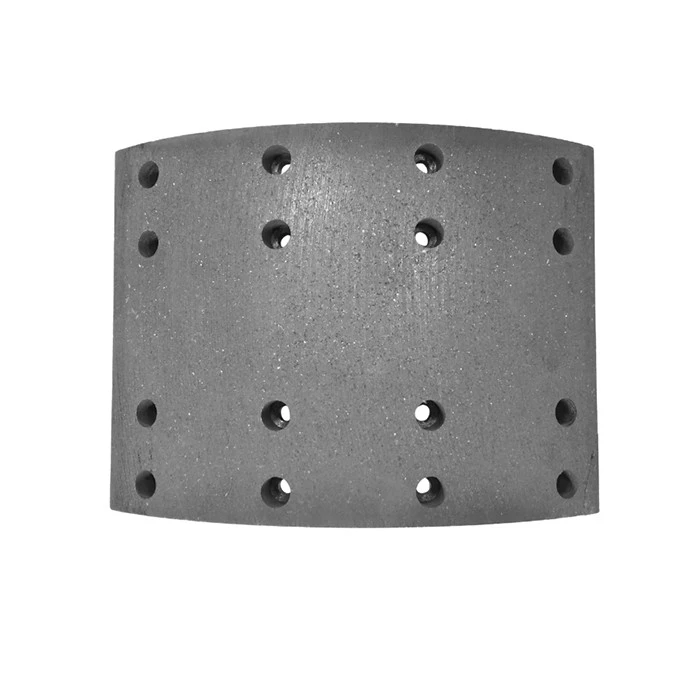
If you're in the market for a new brake lining set, we've got you covered. Our Brake Lining Set is made from high - quality materials and is designed to provide reliable performance. Whether you need Trailer Brake Lining or Front Brake Lining, we have the right product for your vehicle.
If you have any questions or want to discuss your brake lining needs, don't hesitate to reach out. We're here to help you make the best choice for your vehicle's braking system.
References
- "Automotive Brake Systems" by James D. Halderman
- Various automotive repair manuals