

Do Copper Free Brake Pads Have a Lower Wear Rate?
As a supplier of copper free brake pads, I've been in the automotive braking industry for quite some time, witnessing the evolution of brake pad technology firsthand. One question that often comes up among vehicle owners, mechanics, and fleet managers is whether copper free brake pads have a lower wear rate. In this blog, I'll delve into the science behind brake pad wear, compare copper free and traditional copper - containing brake pads, and share insights based on real - world experience and industry research.
Understanding Brake Pad Wear
Brake pads are a critical component of a vehicle's braking system. When you press the brake pedal, the brake pads clamp down on the brake rotors, creating friction that slows down or stops the vehicle. This friction generates a significant amount of heat, and over time, the brake pads gradually wear away. The wear rate of brake pads is influenced by several factors, including the type of material they are made of, driving conditions, vehicle weight, and braking habits.
Traditional brake pads often contained copper, which was valued for its excellent thermal conductivity and ability to improve the friction coefficient. Copper helped to dissipate heat more effectively, reducing the risk of brake fade and improving overall braking performance. However, environmental concerns have led to regulations restricting the use of copper in brake pads. In response, manufacturers have developed copper free brake pads, which use alternative materials to achieve similar performance levels.
The Composition of Copper Free Brake Pads
Copper free brake pads are typically made from a combination of organic, semi - metallic, and ceramic materials. Organic brake pads are made from materials such as rubber, glass, and resin. They are known for their quiet operation and low dust production, but they may have a higher wear rate under heavy braking conditions. Semi - metallic brake pads contain a mixture of metal fibers, such as steel and iron, along with other materials. They offer good heat dissipation and durability, making them suitable for a wide range of driving conditions. Ceramic brake pads are made from ceramic fibers and other non - metallic materials. They are known for their long service life, low dust production, and excellent performance at high temperatures.
Wear Rate Comparison: Copper Free vs. Copper - Containing Brake Pads
Determining whether copper free brake pads have a lower wear rate is not a straightforward answer. It depends on the specific composition of the brake pads and the driving conditions. In some cases, copper free brake pads can have a comparable or even lower wear rate than copper - containing brake pads.
For example, ceramic copper free brake pads are designed to be highly durable. The ceramic fibers in these brake pads can withstand high temperatures without breaking down, which reduces the wear on the pads. They also have a smooth surface finish, which helps to minimize wear on the brake rotors. Many vehicle owners who have switched to ceramic copper free brake pads report longer pad life and less frequent pad replacements.
On the other hand, some organic copper free brake pads may have a higher wear rate, especially if they are used in high - performance or heavy - duty applications. Organic materials can break down more quickly under extreme heat and pressure, leading to faster wear. However, advancements in organic brake pad technology have led to the development of more durable formulations that can perform well in a variety of conditions.
Real - World Performance and Case Studies
In real - world scenarios, the wear rate of brake pads can vary significantly. Fleet operators, for instance, often conduct extensive testing to evaluate the performance of different brake pads. A recent study by a large delivery fleet found that switching to copper free ceramic brake pads resulted in a 20% reduction in brake pad wear over a 6 - month period. This not only saved on replacement costs but also reduced vehicle downtime.
Another case involved a high - performance sports car owner. After switching from copper - containing semi - metallic brake pads to copper free ceramic brake pads, the owner noticed that the new pads lasted much longer, even with aggressive driving. The ceramic pads were able to handle the high - speed braking demands without excessive wear, providing consistent performance.
Advantages of Copper Free Brake Pads Beyond Wear Rate
Even if the wear rate is not significantly lower, copper free brake pads offer several other advantages. One of the most significant benefits is their environmental friendliness. Copper in brake pads can end up in the environment through brake dust, which can contaminate water sources and harm aquatic life. By using copper free brake pads, we can reduce the environmental impact of vehicle braking systems.
Copper free brake pads also tend to produce less dust. This not only keeps your wheels cleaner but also reduces the amount of particulate matter in the air. For vehicle owners who are concerned about the appearance of their cars, this is a major advantage.
Our Product Offerings
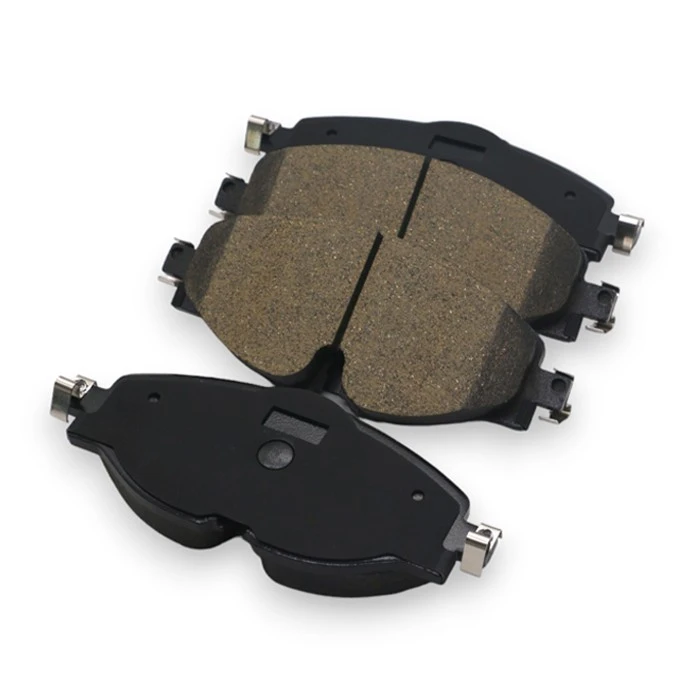
As a supplier, I'm proud to offer a range of high - quality copper free brake pads. Our Rear Brake Pad Kit is designed to provide reliable performance and long - lasting wear. It is suitable for a wide range of vehicles and is engineered to meet or exceed OEM specifications.
Our Friction Brake Pads are another popular choice. These pads are made from advanced friction materials that offer excellent stopping power and low wear rates. They are ideal for both everyday driving and more demanding applications.
For light vehicles, we offer Light Vehicle Brake Pads. These pads are specifically designed to meet the unique needs of light vehicles, providing smooth and quiet braking performance.

Conclusion
In conclusion, whether copper free brake pads have a lower wear rate depends on various factors, including the specific type of copper free brake pad and the driving conditions. In many cases, especially with ceramic copper free brake pads, the wear rate can be comparable to or lower than that of traditional copper - containing brake pads. Additionally, copper free brake pads offer environmental benefits and reduced dust production.
If you're interested in learning more about our copper free brake pads or are looking to place an order, I encourage you to get in touch. We're here to provide you with the best braking solutions for your vehicles. Whether you're a vehicle owner, a mechanic, or a fleet manager, we can help you find the right brake pads to meet your needs.
References
- "Brake Pad Technology: Past, Present, and Future" - Automotive Engineering Journal
- "Environmental Impact of Brake Pad Materials" - Environmental Science and Technology
- Case studies from fleet operators and vehicle owners