

Do I need to replace the rotors when installing slotted brake pads?
As a supplier of slotted brake pads, I often get asked the question: "Do I need to replace the rotors when installing slotted brake pads?" This is a crucial query for vehicle owners looking to enhance their braking performance, and the answer isn't always straightforward. In this blog post, I'll delve into the factors that determine whether rotor replacement is necessary and provide insights to help you make an informed decision.
Understanding Slotted Brake Pads
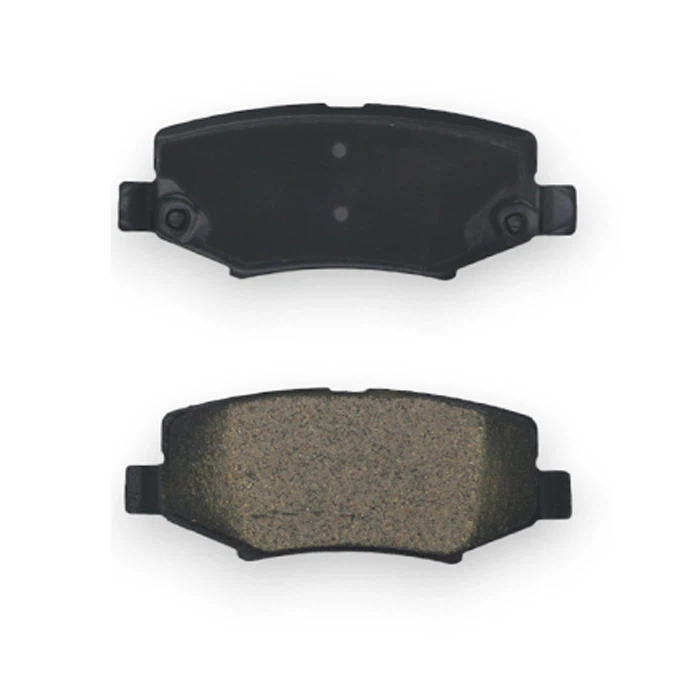
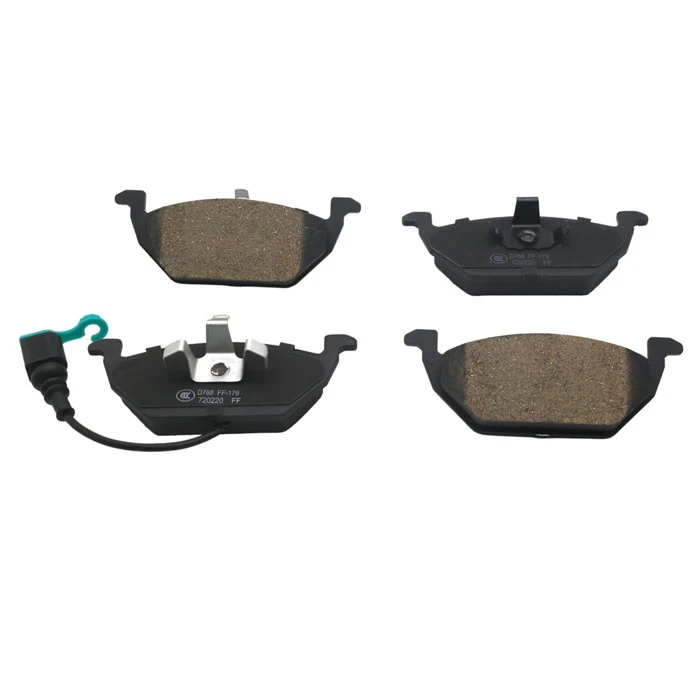
Slotted brake pads are designed to offer several advantages over standard brake pads. The slots on the surface of these pads serve multiple purposes. Firstly, they help to expel gas and debris that accumulate between the pad and the rotor during braking. This improves the contact between the pad and the rotor, resulting in more consistent and reliable braking performance. Secondly, the slots can also reduce the risk of brake fade, which occurs when the brakes overheat and lose their effectiveness.
Our company offers high - quality slotted brake pads that are engineered to provide superior stopping power and durability. Whether you're a daily commuter or a performance enthusiast, our slotted brake pads can enhance your driving experience. You can also explore our other product lines such as Copper Free Brake Pads, Front Ceramic Brake Pads, and Auto Ceramic Brake Pads to find the best fit for your vehicle.
Factors Influencing Rotor Replacement
- Rotor Condition
The most important factor to consider is the current condition of your rotors. If your rotors are severely worn, warped, or damaged, it is highly recommended to replace them when installing slotted brake pads. Worn rotors can have uneven surfaces, which can cause the new brake pads to wear unevenly as well. This not only reduces the lifespan of the brake pads but also compromises braking performance. You can check for signs of rotor wear, such as grooves, scoring, or excessive thickness variation. A simple visual inspection can give you an idea of the rotor's condition, but for a more accurate assessment, it's best to have a professional mechanic measure the rotor thickness. - Mileage and Usage
The mileage on your vehicle and your typical driving style also play a role in determining rotor replacement. If you have a high - mileage vehicle or if you frequently drive in stop - and - go traffic, your rotors are likely to experience more wear and tear. Aggressive driving, such as hard braking or towing heavy loads, can also accelerate rotor wear. In these cases, even if the rotors appear to be in good condition visually, they may have internal stress or microscopic damage that can lead to problems when paired with new slotted brake pads. - Desired Performance Level
If you're looking to achieve the maximum performance benefits from your slotted brake pads, replacing the rotors can be a good idea. New rotors provide a smooth and even surface for the brake pads to grip, which can enhance braking response and reduce stopping distances. This is especially important for performance vehicles or those used in racing or high - performance driving situations. However, if you're mainly concerned with basic maintenance and improving the current braking performance slightly, you may be able to get away with just replacing the brake pads if the rotors are in decent condition.
When Rotor Replacement May Not Be Necessary
- New or Slightly Worn Rotors
If your rotors are relatively new or only have minor wear, you may not need to replace them when installing slotted brake pads. As long as the rotors are within the manufacturer's specified thickness limits and have a smooth surface, they should work well with the new brake pads. In such cases, it's still a good idea to have the rotors resurfaced to ensure optimal contact between the pads and the rotors. Resurfacing involves removing a thin layer of material from the rotor surface to create a smooth and even finish. - Budget Constraints
Replacing the rotors can be a significant expense, especially if you have a multi - rotor vehicle. If you're on a tight budget, you may choose to install the slotted brake pads on the existing rotors and monitor their performance closely. However, keep in mind that this may not provide the best long - term results, and you may need to replace the rotors in the near future if they start to show signs of excessive wear or damage.
The Installation Process
When installing slotted brake pads, whether you're replacing the rotors or not, it's important to follow the proper installation procedures. Here are some general steps:
- Prepare the Vehicle
Park the vehicle on a level surface and engage the parking brake. Loosen the lug nuts on the wheels before jacking up the vehicle and removing the wheels. - Remove the Old Brake Components
Locate the brake caliper and remove the bolts that hold it in place. Carefully lift the caliper off the rotor and hang it using a wire or a hook to prevent damage to the brake hose. Then, remove the old brake pads from the caliper bracket. - Inspect and Prepare the Rotors
If you're replacing the rotors, remove the old ones by taking out the retaining screws or bolts. Clean the hub surface thoroughly before installing the new rotors. If you're keeping the existing rotors, resurface them if necessary and clean them to remove any dirt or debris. - Install the New Brake Pads
Apply a thin layer of brake grease to the back of the new brake pads to prevent noise and vibration. Insert the new brake pads into the caliper bracket, making sure they are properly seated. - Reinstall the Caliper
Carefully place the caliper back over the rotor and tighten the bolts to the manufacturer's specified torque. - Reinstall the Wheel
Put the wheel back on the vehicle and hand - tighten the lug nuts. Lower the vehicle to the ground and then torque the lug nuts to the correct specification. - Bleed the Brakes
If necessary, bleed the brake system to remove any air bubbles. This will ensure proper brake operation.
Conclusion
In summary, whether you need to replace the rotors when installing slotted brake pads depends on several factors, including the rotor condition, mileage, driving style, and desired performance level. While it's often beneficial to replace the rotors for optimal performance, it may not always be necessary, especially if the rotors are in good shape.
If you're still unsure about whether to replace your rotors or have any questions about our slotted brake pads, feel free to reach out for a detailed discussion. We're here to help you make the best decision for your vehicle's braking system. Contact us to start a procurement discussion and find the perfect braking solutions for your needs.
References
- "Brake System Handbook" by an automotive industry expert.
- Manufacturer's guidelines for slotted brake pads and rotors.