

Hey there! As a supplier of copper-free brake pads, I've been getting a ton of questions lately about how well these bad boys perform in extreme temperatures. So, I thought I'd take a deep dive into this topic and share some insights based on our experience and the latest research.
Let's start by understanding why extreme temperatures can be a big deal for brake pads. When it's super hot outside, say in the scorching desert heat or during a long downhill drive in the mountains, the brakes can generate a crazy amount of heat. This heat can cause the brake pads to wear out faster, lose their friction, or even fade completely. On the other hand, in freezing cold conditions, the materials in the brake pads can become brittle, reducing their ability to grip the rotors effectively.
So, do copper-free brake pads work well in these extreme conditions? The short answer is yes, but it depends on a few factors.
The Science Behind Copper-Free Brake Pads
First off, let's talk about what makes copper-free brake pads different. Traditionally, copper has been a key ingredient in brake pads because it has excellent thermal conductivity. This means it can help dissipate heat away from the braking surface, preventing the pads from overheating. However, copper is also a heavy metal that can have negative environmental impacts when it wears off and enters the water supply. That's why there's been a push to develop copper-free alternatives.
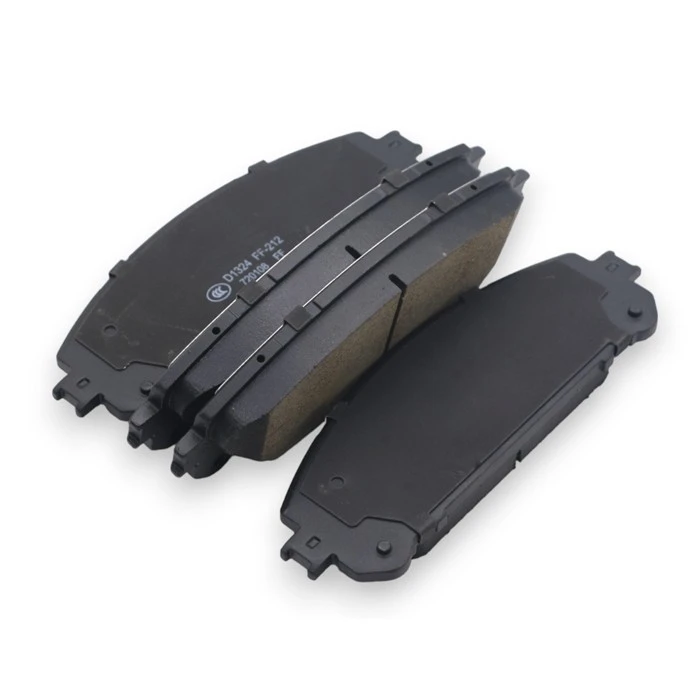
Our copper-free brake pads are made with advanced materials that are specifically designed to handle high temperatures. For example, many of our pads use ceramic compounds. Ceramics are known for their high heat resistance and low wear rate. They can withstand extreme temperatures without losing their friction properties, which means they can provide consistent braking performance even in the most challenging conditions.
Another advantage of ceramic copper-free brake pads is that they produce less dust compared to traditional semi-metallic pads. This not only keeps your wheels cleaner but also reduces the amount of debris that can build up on the braking surface, which can affect performance over time.
Performance in High Temperatures
In high-temperature situations, our copper-free brake pads really shine. The ceramic materials used in our pads have a high melting point, which means they can handle the intense heat generated during heavy braking without breaking down. This is crucial for maintaining consistent stopping power.
For example, if you're driving a high-performance vehicle on a race track or towing a heavy load up a steep hill, you need brakes that can handle the heat. Our pads are designed to provide reliable performance in these situations, ensuring that you can stop safely and quickly when you need to.
We've also conducted extensive testing in high-temperature environments to ensure that our pads meet the highest standards. In one test, we simulated a long downhill drive in the mountains, where the brakes are constantly under stress. The copper-free brake pads maintained their friction coefficient throughout the test, providing consistent braking performance even as the temperature of the braking system reached extremely high levels.
But don't just take my word for it. Many of our customers who have used our copper-free brake pads in high-temperature conditions have reported excellent results. One customer who lives in a hot desert climate said that our pads have significantly improved the braking performance of his truck, especially during long drives in the summer. Another customer who participates in track days said that our pads have given him the confidence to push his car to the limit without worrying about brake fade.
Performance in Low Temperatures
In cold weather, the performance of brake pads can be affected by the cold making the materials brittle. However, our copper-free brake pads are designed to be flexible even in freezing temperatures. The ceramic compounds used in our pads have a low thermal expansion coefficient, which means they don't change shape significantly in cold weather. This helps to maintain a consistent contact between the pad and the rotor, ensuring reliable braking performance.
We've also added special additives to our pads to improve their cold-weather performance. These additives help to reduce the stiffness of the pad material at low temperatures, allowing it to conform to the rotor surface more effectively. This results in better initial bite and smoother braking, even in the coldest conditions.
Comparing with Other Types of Brake Pads
If you're considering different types of brake pads, it's worth comparing our copper-free brake pads with other options on the market. For example, High Friction Brake Pads are known for their high stopping power, but they can also generate a lot of heat and wear out quickly. Our copper-free brake pads offer a good balance between high friction and durability, making them a great choice for everyday driving as well as more demanding applications.
Auto Ceramic Brake Pads are another popular option. While they share some similarities with our copper-free ceramic pads, our pads are specifically engineered to meet the needs of different vehicles and driving conditions. We offer a wide range of pad formulations to ensure that we can provide the best possible performance for your specific application.
Light Vehicle Brake Pads are designed for smaller cars and SUVs. Our copper-free brake pads are available in a variety of sizes and formulations to fit these vehicles, providing reliable braking performance without sacrificing durability or environmental friendliness.
Real-World Testing and Customer Feedback
We've put our copper-free brake pads through rigorous real-world testing to ensure they meet our high standards of performance. We've tested them on different types of vehicles, from compact cars to heavy-duty trucks, and in a variety of driving conditions, including city streets, highways, and off-road trails.
The feedback from our customers has been overwhelmingly positive. Many customers have reported that our copper-free brake pads have improved their vehicle's braking performance, especially in extreme temperatures. They've also noticed a reduction in dust and noise, which has made their driving experience more enjoyable.
One customer who owns a sports car said that our copper-free brake pads have given him the confidence to take his car to the track. He was impressed with how well the pads performed during high-speed braking and how they maintained their performance even after multiple laps. Another customer who lives in a mountainous area said that our pads have been a game-changer for his daily commute. He no longer has to worry about his brakes overheating on long downhill drives.
Conclusion and Call to Action
In conclusion, our copper-free brake pads are a great choice for anyone who wants reliable braking performance in extreme temperatures. Whether you're driving in the heat of the desert or the cold of the mountains, our pads are designed to provide consistent stopping power and durability.
If you're interested in learning more about our copper-free brake pads or are looking to place an order, we'd love to hear from you. We have a team of experts who can help you find the right pads for your vehicle and answer any questions you may have. So, don't hesitate to reach out and start a conversation. Let's work together to ensure your vehicle has the best braking system possible.

References
- "Brake Pad Materials and Their Performance Characteristics," SAE International Journal of Passenger Cars - Mechanical Systems.
- "The Impact of Temperature on Brake Pad Performance," Journal of Automotive Engineering.
- "Environmental Impacts of Copper in Brake Pads," Environmental Science & Technology.