

Hey there! As a supplier of bus front brake pads, I often get asked if these brake pads require special lubrication. It's a question that many bus owners, mechanics, and even some fellow suppliers ponder over. So, let's dive right into it and figure out what's up with the lubrication of bus front brake pads.
First off, let's understand the basics. Brake pads are a crucial part of a bus's braking system. They're the ones that create friction against the brake rotors to slow down or stop the bus. When it comes to lubrication, it's not as straightforward as you might think.
Some people might assume that lubricating brake pads is a no - no because, well, brakes work on friction. And lubrication is all about reducing friction, right? Well, it's a bit more complicated than that. There are actually certain parts of the brake system around the brake pads where lubrication is not only okay but also necessary.
Let's talk about the caliper slides. These are the parts that allow the caliper to move smoothly as the brake pads make contact with the rotors. If the caliper slides aren't lubricated properly, they can seize up. This can lead to uneven wear on the brake pads, which means you'll have to replace them sooner than you should. And uneven wear can also affect the braking performance of the bus, making it less safe to drive.
Now, what kind of lubricant should you use? You can't just grab any old grease off the shelf. You need a high - temperature brake grease. Regular grease can break down under the high heat generated by the braking process. High - temperature brake grease is designed to withstand these extreme conditions. It'll keep the caliper slides moving smoothly and prevent them from corroding.
But what about the brake pads themselves? You generally don't want to lubricate the friction surface of the brake pads. That's where the magic happens, and adding lubricant there would reduce the friction and make the brakes less effective. However, there are some special anti - squeal lubricants that can be applied to the back of the brake pads. These lubricants help to dampen vibrations, which can cause that annoying squealing noise when you hit the brakes.
As a bus front brake pads supplier, I've seen firsthand the effects of improper lubrication. I've had customers come to me with brake pads that are worn out way too soon. After a quick inspection, it often turns out that the caliper slides were dry and seized up. By simply lubricating the right parts, they could have extended the life of their brake pads and saved themselves some money.
Now, let's touch on some related products. If you're also in the market for Rear Truck Brake Pads, we've got you covered. These are designed to work in harmony with the front brake pads, ensuring a balanced braking performance for your truck. And for those of you with specific truck models, the 29087 Truck Brake Pad is a great option. It's engineered to meet the exact requirements of certain trucks, providing reliable and consistent braking.

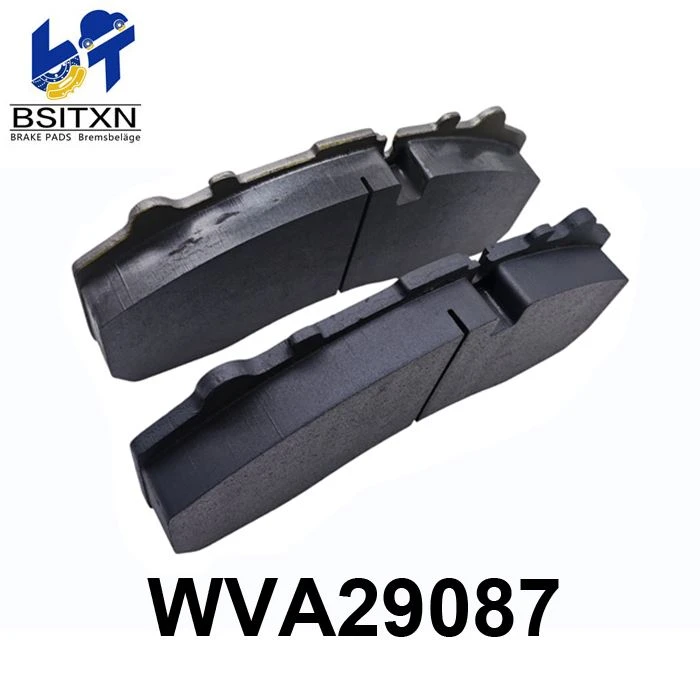
If you're dealing with heavy - duty trucks, then Heavy Duty Truck Brake Pads are what you need. These brake pads are built to handle the extra stress and weight that heavy - duty trucks put on the braking system.
So, to sum it up, bus front brake pads don't need lubrication on the friction surface, but the surrounding parts like the caliper slides do. Using the right high - temperature brake grease and anti - squeal lubricants can make a big difference in the performance and lifespan of your brake pads.
If you're interested in purchasing high - quality bus front brake pads or any of our other related products, I'd love to have a chat with you. Whether you're a bus fleet manager, a mechanic, or just someone looking to replace their brake pads, we can work together to find the best solution for your needs. Reach out and let's start a conversation about your brake pad requirements.
References
- "Brake System Handbook" by Brake Manufacturers Council
- Various technical bulletins from brake pad manufacturers