

Hey there! As a supplier of bus brake pads, I often get asked a bunch of questions about brake maintenance. One question that pops up quite a bit is, "Do bus brake pads need to be lubricated?" Well, let's dig into this topic and find out.
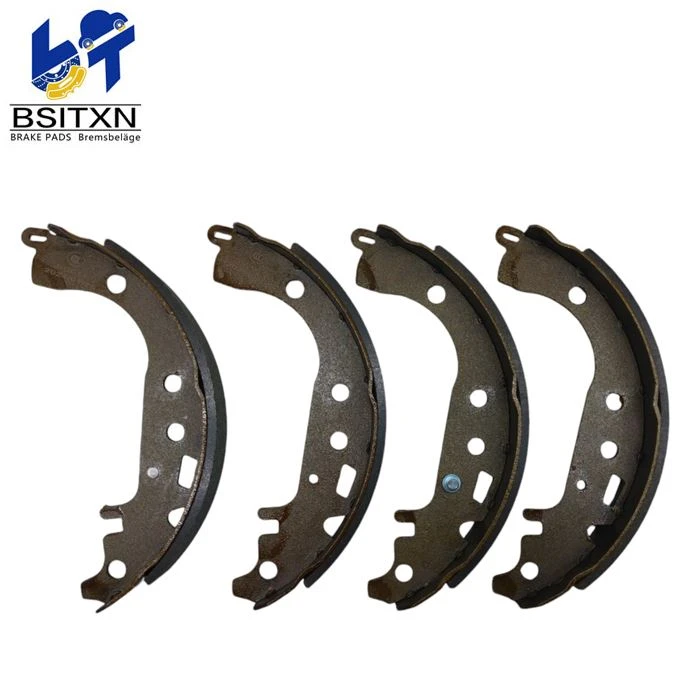

First off, let's understand what brake pads do. Brake pads are a crucial part of a bus's braking system. When you step on the brake pedal, the brake pads press against the brake rotors, creating friction. This friction is what slows down or stops the bus. It's a pretty simple yet super important process.
Now, the idea of lubrication usually comes to mind when we think about reducing friction. But in the case of brake pads, things are a bit different. Brake pads are designed to create friction, not reduce it. Lubricating the friction surface of the brake pads would actually be a bad idea. If you put lubricant on the part of the brake pad that touches the rotor, it would decrease the friction between the pad and the rotor. This means the brakes wouldn't work as effectively, and it could even be dangerous. You might have longer stopping distances, which is a big no - no when you're driving a big bus full of passengers.
However, there are some parts around the brake pads that can benefit from lubrication. For example, the caliper pins. The caliper is the part that holds the brake pads and squeezes them against the rotor. The caliper pins allow the caliper to move smoothly. Over time, these pins can get stuck due to rust, dirt, or general wear and tear. If the caliper pins don't move freely, the caliper might not be able to apply even pressure on the brake pads. This can lead to uneven braking, where one side of the brakes works better than the other.
Lubricating the caliper pins with a high - quality, heat - resistant lubricant can help them move more freely. This ensures that the caliper can apply equal pressure on both brake pads, which means more even braking. It also helps prevent premature wear on the brake pads. When the caliper doesn't work properly, it can cause one brake pad to wear out faster than the other, and you'll end up having to replace the pads more often.
Another area that can be lubricated is the back of the brake pads. The back of the brake pad is the part that touches the caliper piston. A thin layer of lubricant here can help reduce noise. Sometimes, when the brake pads are in use, they can vibrate against the caliper, creating a squealing or grinding noise. Lubricating the back of the pads can dampen these vibrations and make your bus ride a lot quieter.
Now, let's talk about the types of lubricants you should use. You can't just use any old lubricant on your brake system. You need a lubricant that can withstand high temperatures. Brake systems get really hot when they're in use, especially when you're braking hard or driving down a long, steep hill. A lubricant that can't handle high temperatures will break down, and it won't do its job.
Silicone - based lubricants are a popular choice for brake systems. They have good heat resistance and can work well in the high - stress environment of a brake system. There are also copper - based lubricants, which are also heat - resistant and can provide good protection for the metal parts in the brake system.
When it comes to lubricating the parts around the brake pads, it's important to do it right. You don't want to over - lubricate. Too much lubricant can attract dirt and debris, which can cause problems in the long run. You should also make sure to clean the parts thoroughly before applying the lubricant. Any dirt or rust on the parts can prevent the lubricant from working effectively.
If you're in the market for high - quality brake pads, we've got you covered. We offer a wide range of brake pads for different types of buses. Whether you need Car Rear Brake Shoes, Shoe Brake Shoe, or Ceramics Brake Pad Set D919 SP2213 GDB1857, we have the right products for you. Our brake pads are made from high - quality materials and are designed to provide reliable braking performance.
In conclusion, bus brake pads themselves don't need to be lubricated on the friction surface. But parts around the brake pads, like the caliper pins and the back of the pads, can benefit from proper lubrication. This can improve the performance of the brakes, reduce noise, and extend the life of the brake pads.
If you're interested in learning more about our bus brake pads or have any questions about brake maintenance, feel free to reach out. We're always happy to help you make the right choices for your bus's braking system. Whether you're a bus fleet manager or a mechanic, we can work together to ensure your buses are safe on the road.
References
- Brake System Basics: A Guide for Mechanics, Auto Repair Handbook
- Lubrication in Automotive Brake Systems, Journal of Automotive Engineering