

Can slotted brake pads be used in wet conditions?
As a supplier of slotted brake pads, I often encounter questions from customers about the performance of our products, especially in challenging conditions like wet weather. This blog aims to comprehensively explore whether slotted brake pads can be effectively used in wet conditions.
Understanding Slotted Brake Pads
Before delving into their performance in wet conditions, let's first understand what slotted brake pads are. Slotted brake pads are designed with grooves or slots cut into the friction surface. These slots serve multiple purposes. During normal braking, they help to vent out gas and debris that are generated when the brake pads come into contact with the brake rotors. Gas buildup can reduce the friction coefficient between the pads and the rotors, leading to decreased braking performance. By allowing gas to escape, the slots ensure a more consistent and reliable braking force. Additionally, the slots help to clean the surface of the rotors by scraping off any glazing or contaminants.
Wet Conditions and Braking Challenges
Wet conditions pose significant challenges to braking systems. When roads are wet, a thin layer of water forms between the brake pads and the rotors. This water acts as a lubricant, reducing the friction that is essential for effective braking. As a result, the braking distance can increase significantly, and the driver may experience a spongy or less responsive brake pedal. In extreme cases, the brake pads may even hydroplane on the surface of the rotors, leading to a complete loss of braking power.
How Slotted Brake Pads Perform in Wet Conditions
One of the key advantages of slotted brake pads in wet conditions is their ability to disperse water. The slots in the brake pads act as channels for water to flow through. As the brake pads make contact with the rotors, the water is forced into the slots and drained away from the friction surface. This helps to reduce the water layer between the pads and the rotors, restoring the friction and improving braking performance.
Moreover, the scraping action of the slots also plays a crucial role in wet conditions. The slots help to remove any water droplets or contaminants that may be stuck on the rotor surface. This ensures that the brake pads have a clean and dry surface to grip onto, enhancing the braking efficiency.
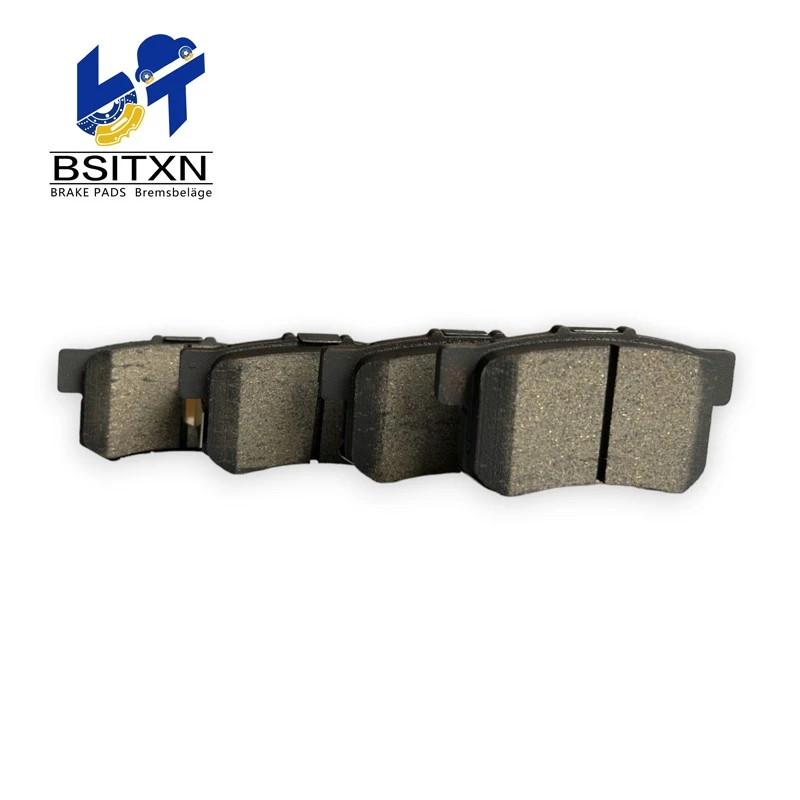

However, it's important to note that while slotted brake pads offer better performance in wet conditions compared to non - slotted pads, they are not a magic solution. The effectiveness of slotted brake pads in wet weather still depends on several factors, such as the depth and width of the slots, the quality of the brake pad material, and the driving speed.
Depth and Width of the Slots
The design of the slots is critical for their performance in wet conditions. If the slots are too shallow, they may not be able to effectively channel water away from the friction surface. On the other hand, if the slots are too wide, the overall contact area between the brake pads and the rotors is reduced, which can potentially decrease the braking force. Our slotted brake pads are carefully engineered with an optimal slot depth and width to balance water dispersion and braking performance.
Quality of the Brake Pad Material
The material of the brake pads also affects their performance in wet conditions. High - quality brake pad materials are more resistant to water absorption and retain their friction characteristics even when wet. We offer a variety of brake pad materials, including click here for more information on our Low Dust Brake Pads and Metallic Automotive Brake Pads. These materials are selected for their excellent braking performance in both dry and wet conditions.
Driving Speed
The speed at which you are driving in wet conditions also influences the effectiveness of slotted brake pads. At higher speeds, the water layer between the pads and the rotors is more likely to cause hydroplaning. However, slotted brake pads can still help to reduce the risk by quickly dispersing water. It's important for drivers to adjust their driving speed according to the weather conditions to ensure safe braking.
Real - World Testing and Customer Feedback
We have conducted extensive real - world testing of our slotted brake pads in wet conditions. Our tests have shown that in most cases, the braking distance is significantly reduced compared to non - slotted brake pads. Customers who have used our slotted brake pads in wet weather have also provided positive feedback. They have reported a more responsive brake pedal and better overall braking performance, especially during sudden stops.
Comparing with Other Brake Pad Types
In the market, there are different types of brake pads, such as solid brake pads and drilled brake pads. Solid brake pads are the most basic type, and they generally have the poorest performance in wet conditions due to their lack of water - dispersing features. Drilled brake pads, like slotted brake pads, also help to vent gas and debris. However, drilled holes can be prone to cracking, especially under high - stress conditions. Slotted brake pads offer a more reliable and durable solution for wet conditions, as the slots are less likely to cause structural weaknesses.
Conclusion and Call to Action
In conclusion, slotted brake pads can indeed be effectively used in wet conditions. Their ability to disperse water, clean the rotor surface, and maintain a consistent friction coefficient makes them a great choice for driving in rainy or wet environments. If you are looking for high - quality slotted brake pads that are specifically designed to perform well in wet conditions, we have the perfect solution for you. We also offer a wide range of Auto Spare Parts Brake Pads to meet your different needs.
If you are interested in purchasing our slotted brake pads or have any questions about our products, please feel free to contact us for a detailed discussion. We are committed to providing you with the best braking solutions and excellent customer service.
References
- "Automotive Brake Systems: Principles and Maintenance" by John Heywood
- Research papers on brake pad performance in different weather conditions published in SAE International Journal of Passenger Cars - Mechanical Systems