

As a seasoned supplier of truck brake pads, I often encounter inquiries from truck owners and fleet managers about resurfacing truck brake pads. This topic is not only crucial for maintaining the safety and performance of trucks but also has significant implications for cost - effectiveness. In this blog, I'll delve into the question: Can I resurface truck brake pads?
Understanding Truck Brake Pads
Before we discuss resurfacing, it's essential to understand what truck brake pads are and how they work. Truck brake pads are a key component of the braking system. When the driver presses the brake pedal, the brake caliper squeezes the brake pads against the brake rotor. This friction between the brake pads and the rotor slows down and eventually stops the truck.
Truck brake pads are made from various materials, including semi - metallic, ceramic, and organic compounds. Each material has its own characteristics in terms of performance, durability, and cost. For instance, semi - metallic brake pads are known for their high heat resistance and good braking performance, but they can be noisy and wear down the rotors faster. Ceramic brake pads, on the other hand, are quieter, produce less dust, and have a longer lifespan, but they are generally more expensive.
Reasons for Considering Resurfacing
There are several reasons why truck owners might consider resurfacing their brake pads. The primary motivation is often cost - savings. New truck brake pads can be quite expensive, especially for commercial trucks. Resurfacing can be a more budget - friendly alternative. Additionally, if the brake pads are only slightly worn or have minor surface irregularities, resurfacing can restore their performance and extend their service life.
Another reason is environmental concerns. By resurfacing brake pads instead of replacing them, we can reduce the amount of waste generated from discarded brake pads. This is in line with the growing trend of sustainable practices in the transportation industry.
The Feasibility of Resurfacing Truck Brake Pads
The answer to whether you can resurface truck brake pads is not a simple yes or no. It depends on several factors.
Pad Thickness
One of the most critical factors is the thickness of the brake pads. Brake pads have a minimum thickness specification, below which they are considered unsafe. If the brake pads are already close to or below this minimum thickness, resurfacing is not an option. Resurfacing involves removing a thin layer of the pad material, which would further reduce the thickness and compromise the braking performance.
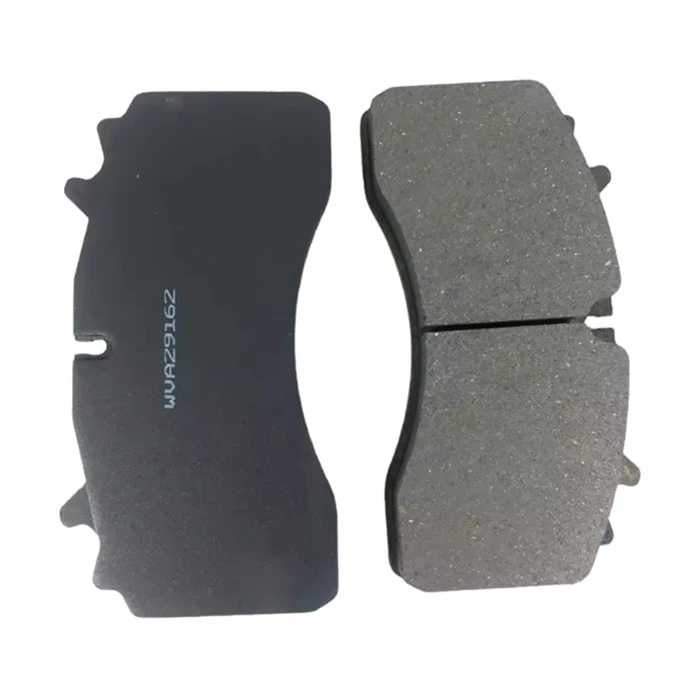

Wear Pattern
The wear pattern of the brake pads also plays a significant role. If the brake pads have a uniform wear pattern, resurfacing may be a viable option. However, if the wear is uneven, with some areas more worn than others, resurfacing may not be effective. Uneven wear can be caused by issues such as a sticking caliper or misaligned brake components. In such cases, simply resurfacing the brake pads will not address the underlying problem, and the uneven wear will likely continue.
Surface Condition
The surface condition of the brake pads is another important consideration. If the brake pads have minor surface contaminants, such as rust or dirt, resurfacing can clean and smooth the surface. However, if the surface has deep grooves, cracks, or other severe damage, resurfacing may not be sufficient. Deep grooves can reduce the contact area between the brake pads and the rotor, leading to reduced braking efficiency. Cracks can cause the brake pads to break apart during use, posing a serious safety risk.
The Resurfacing Process
If the brake pads meet the criteria for resurfacing, the process typically involves the following steps:
Inspection
First, the brake pads are thoroughly inspected to determine their thickness, wear pattern, and surface condition. This inspection helps to confirm whether resurfacing is a suitable option.
Cleaning
The brake pads are cleaned to remove any dirt, grease, or other contaminants. This can be done using a brake cleaner or a solvent.
Resurfacing
The brake pads are then placed on a resurfacing machine. The machine uses a grinding wheel to remove a thin layer of the pad material, typically around 0.010 to 0.020 inches. This process helps to smooth the surface of the brake pads and restore their original shape.
Re - inspection
After resurfacing, the brake pads are re - inspected to ensure that they meet the required specifications. This includes checking the thickness, surface smoothness, and parallelism.
Potential Risks of Resurfacing
While resurfacing can be a cost - effective solution in some cases, it also comes with certain risks.
Reduced Performance
Resurfacing removes a layer of the brake pad material, which can reduce the overall performance of the brake pads. The new surface may not have the same friction characteristics as the original surface, leading to longer stopping distances or reduced braking power.
Safety Concerns
If the resurfacing is not done correctly, it can pose a serious safety risk. For example, if the brake pads are resurfaced too thin or if the surface is not smooth enough, it can cause uneven braking, vibration, or even brake failure.
Alternatives to Resurfacing
If resurfacing is not a viable option, there are several alternatives.
Replacement with New Brake Pads
The most straightforward alternative is to replace the brake pads with new ones. As a truck brake pad supplier, I offer a wide range of high - quality brake pads, including Rear Truck Brake Pads, 29087 Truck Brake Pad, and Commercial Brake Pads. These brake pads are designed to meet the specific requirements of different truck models and applications, ensuring optimal performance and safety.
Refurbishment
In some cases, the brake pads can be refurbished. This involves not only resurfacing but also replacing any worn or damaged components, such as the backing plate or the friction material. Refurbishment can provide a more comprehensive solution and restore the brake pads to like - new condition.
Conclusion
In conclusion, whether you can resurface truck brake pads depends on various factors, including the thickness, wear pattern, and surface condition of the brake pads. While resurfacing can be a cost - effective and environmentally friendly option in some cases, it also comes with potential risks. If resurfacing is not suitable, replacing the brake pads with new ones or opting for a refurbishment may be the better choice.
As a trusted truck brake pad supplier, I am committed to providing our customers with the best solutions for their braking needs. Whether you need advice on resurfacing, replacement, or any other aspect of truck brake pads, feel free to contact us for a detailed discussion. Our team of experts is always ready to assist you in making the right decision.
References
- Brake Systems Handbook, Second Edition, by Robert Bosch GmbH
- The Automotive Brake Handbook, by Fred C. Spicer