

Hey there! As an automobile brake shoes supplier, I often get asked by customers if they can replace their own automobile brake shoes. It's a valid question, and one that I'm more than happy to dive into. So, let's get right to it and see if you're up for the task of replacing your brake shoes on your own.
Understanding Brake Shoes
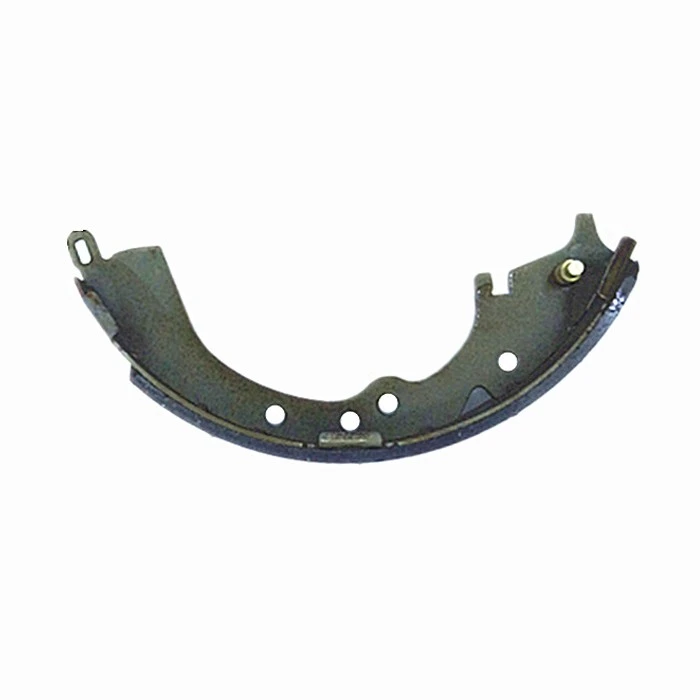
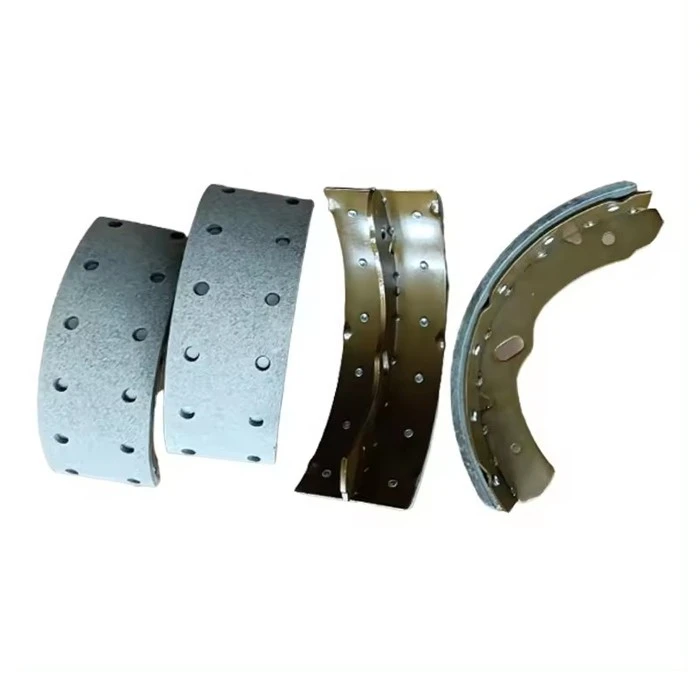
First things first, let's talk a bit about what brake shoes are and how they work. Brake shoes are a crucial part of a vehicle's braking system, especially in drum brake setups. When you press the brake pedal, hydraulic pressure is applied, which causes the brake shoes to press against the inside of the brake drum. This friction slows down the rotation of the wheels and brings your vehicle to a halt.
There are different types of brake shoes for various vehicles. For instance, if you're dealing with a semi - truck, you'll need the right Semi Truck Drum Brake Shoes. These are designed to withstand the heavy loads and high - pressure braking requirements of large trucks. Handbrake brake shoes, on the other hand, are used for the parking brake system. You can find suitable ones at Handbrake Brake Shoes. And if you're in the freight industry, Freight Car Brake Shoes are specifically engineered for the demands of freight cars.
Can You Do It Yourself?
Now, the big question: Can you replace automobile brake shoes yourself? The short answer is, it depends. Replacing brake shoes isn't the most straightforward task, but with the right tools, some mechanical know - how, and a whole lot of patience, it's definitely doable.
Skills and Knowledge
If you've got some experience working on cars, like changing oil or replacing a battery, you're off to a good start. Basic mechanical skills are essential for this job. You'll need to understand how the brake system works, be able to read a vehicle's service manual, and know how to use common automotive tools.
You should also be familiar with brake safety. After all, brakes are a critical safety feature of your vehicle. A mistake during the replacement process could lead to brake failure, which is extremely dangerous. So, if you're not confident in your ability to work safely around the braking system, it might be best to leave it to the pros.
Tools Required
To replace brake shoes, you'll need a set of specific tools. These typically include a socket wrench set, a brake spring tool, a brake drum puller, and a micrometer to measure the brake drums. Having these tools on hand is crucial for a successful replacement. If you don't own these tools, buying them all can be expensive, especially if you're only going to use them once.
Safety First
Safety is of utmost importance when working on your vehicle's brakes. Make sure the vehicle is securely parked on a flat surface and the emergency brake is engaged. Use jack stands to support the vehicle when you lift it, and never crawl under a vehicle that's only supported by a jack.
When you're working on the brakes, you'll be exposed to brake dust. This dust can contain asbestos, which is extremely harmful if inhaled. So, always wear a respirator and safety goggles to protect yourself.
Step - by - Step Process
Here's a general step - by - step process of replacing brake shoes, but remember to consult your vehicle's service manual for specific instructions:
- Prepare the Vehicle: Park the vehicle on a flat surface, engage the emergency brake, and loosen the lug nuts on the wheel you'll be working on. Then, use a jack to lift the vehicle and place jack stands under it.
- Remove the Wheel: Completely remove the lug nuts and take off the wheel.
- Access the Brakes: If you're working on drum brakes, you'll need to remove the brake drum. Sometimes, it can be stuck, and you may need to use a brake drum puller to get it off.
- Disconnect the Brakes: Use a brake spring tool to remove the springs, clips, and pins that hold the brake shoes in place. Be careful not to lose any of these small parts.
- Remove the Old Brake Shoes: Once the springs and clips are removed, you can take out the old brake shoes.
- Inspect the Brake Drum: Check the brake drum for any signs of wear, scoring, or cracks. If it's too worn, it may need to be resurfaced or replaced.
- Install the New Brake Shoes: Put the new brake shoes in place, following the reverse order of removal. Make sure all the springs and clips are properly attached.
- Reinstall the Brake Drum: Put the brake drum back on and make sure it rotates freely.
- Reinstall the Wheel: Put the wheel back on, tighten the lug nuts, and lower the vehicle.
Benefits of DIY Brake Shoe Replacement
If you're successful in replacing the brake shoes yourself, there are a few benefits. First off, you'll save money on labor costs. Mechanics can charge a pretty hefty fee for brake shoe replacement, and doing it yourself can put some extra cash back in your pocket.
You'll also gain a better understanding of your vehicle's braking system. This knowledge can come in handy in the future if you encounter any other brake - related issues.
When to Call a Professional
There are times when it's just better to call in a professional. If you run into any problems during the replacement process, like a stuck part that you can't remove or a brake drum that's severely damaged, it's best to stop and seek professional help.
Also, if you're not comfortable working on the brakes or don't have the necessary tools, it's safer to let a trained mechanic handle the job. They have the experience and expertise to ensure the brakes are installed correctly and safely.
Conclusion
So, can you replace automobile brake shoes yourself? It's possible, but it's not for everyone. If you've got the skills, tools, and confidence, go ahead and give it a try. But if you're unsure, don't hesitate to call a professional.
As a brake shoes supplier, I'm here to provide you with high - quality brake shoes for your vehicle. Whether you need semi - truck drum brake shoes, handbrake brake shoes, or freight car brake shoes, we've got you covered. If you're interested in purchasing our brake shoes or have any questions about the replacement process, feel free to reach out and start a conversation. We're always happy to help you find the right products for your needs.
References
- "Automotive Brake Systems: Principles and Service" by James D. Halderman
- "Chilton's Auto Repair Manual" for various vehicle models