

Mixing different brands of bus brake pads is a topic that often sparks debate among bus operators, mechanics, and enthusiasts alike. As a bus brake pads supplier, I've encountered numerous inquiries regarding this practice, and it's essential to provide accurate information to help you make informed decisions. In this blog post, we'll explore the potential risks and benefits of mixing brake pad brands, and I'll share my professional insights to guide you through this critical aspect of bus maintenance.
Understanding the Function of Brake Pads
Before delving into the question of mixing brake pad brands, let's first understand the fundamental role of brake pads in a bus's braking system. Brake pads are a crucial component that creates friction against the brake rotors to slow down or stop the vehicle. When you press the brake pedal, hydraulic pressure is applied to the brake calipers, which in turn squeeze the brake pads against the rotors. This friction generates heat and converts the kinetic energy of the moving bus into thermal energy, effectively bringing the vehicle to a halt.
The performance of brake pads is influenced by several factors, including the material composition, design, and manufacturing process. Different brands may use unique formulations and technologies to optimize braking performance, durability, and noise reduction. For example, Carbon Ceramic Brake Pads are known for their exceptional heat resistance and low dust production, making them a popular choice for high-performance applications. On the other hand, traditional semi-metallic brake pads offer a good balance of performance and affordability, making them suitable for a wide range of buses.
The Risks of Mixing Different Brands of Brake Pads
While it may be tempting to mix different brands of brake pads to save costs or take advantage of specific features, this practice can pose several risks to the safety and performance of your bus. Here are some of the potential issues you may encounter:
Inconsistent Braking Performance
Each brand of brake pads is designed to meet specific performance standards and specifications. Mixing different brands can result in inconsistent braking performance, as the pads may have different friction coefficients, wear rates, and heat dissipation properties. This can lead to uneven braking, longer stopping distances, and increased wear on the brake system components. For example, if one side of the bus has a brand of brake pads with a higher friction coefficient than the other side, the bus may pull to one side when braking, increasing the risk of an accident.
Compatibility Issues
Brake pads are designed to work in conjunction with specific brake calipers, rotors, and other components of the braking system. Mixing different brands of brake pads may result in compatibility issues, such as improper fitment, excessive noise, or vibration. This can not only affect the performance of the braking system but also cause premature wear and damage to the components. For instance, if the brake pads are not the correct size or shape for the calipers, they may not apply even pressure on the rotors, leading to uneven wear and reduced braking efficiency.
Safety Concerns
The braking system is one of the most critical safety features of a bus, and any compromise in its performance can have serious consequences. Mixing different brands of brake pads can increase the risk of brake failure, especially under extreme conditions such as heavy braking or high-speed driving. This can put the lives of the passengers and other road users at risk. Therefore, it's essential to ensure that all brake pads on your bus are of the same brand and type to maintain consistent braking performance and safety.
The Benefits of Using the Same Brand of Brake Pads
Using the same brand of brake pads throughout your bus offers several benefits, including:
Consistent Braking Performance
When you use the same brand of brake pads, you can be confident that they have been designed and tested to work together as a system. This ensures consistent braking performance, even wear, and reliable operation. You can expect the same level of braking power, response, and feel on all wheels, which enhances the safety and handling of your bus.
Compatibility and Fitment
Brake pads from the same brand are designed to be compatible with each other and with the other components of the braking system. This means that they will fit properly and work together seamlessly, reducing the risk of compatibility issues, noise, and vibration. You can also be assured that the brake pads will provide the optimal level of performance and durability for your bus.
Warranty and Support
Most brake pad manufacturers offer a warranty on their products, which can provide peace of mind and protection against defects and premature wear. By using the same brand of brake pads, you can ensure that you are eligible for the manufacturer's warranty and support. This can save you time and money in the event of a problem with the brake pads.
Exceptions to the Rule
While it's generally recommended to use the same brand of brake pads on your bus, there may be some exceptions to this rule. For example, if you are unable to find the exact same brand and model of brake pads for your bus, you may consider using a compatible alternative from a reputable manufacturer. However, it's important to consult with a qualified mechanic or brake specialist before making this decision to ensure that the alternative brake pads are suitable for your bus and will not compromise its safety and performance.
Another exception may be if you are upgrading your bus's braking system to a higher-performance level. In this case, you may choose to use different brands of brake pads for the front and rear wheels to optimize the braking balance and performance. However, this should only be done under the guidance of a professional who has experience with brake system upgrades.
Conclusion
In conclusion, mixing different brands of bus brake pads is generally not recommended due to the potential risks to safety and performance. It's important to use the same brand of brake pads throughout your bus to ensure consistent braking performance, compatibility, and reliability. If you have any questions or concerns about brake pad selection or installation, please don't hesitate to contact us. As a trusted bus brake pads supplier, we have the expertise and experience to help you choose the right brake pads for your bus and ensure that they are installed correctly.
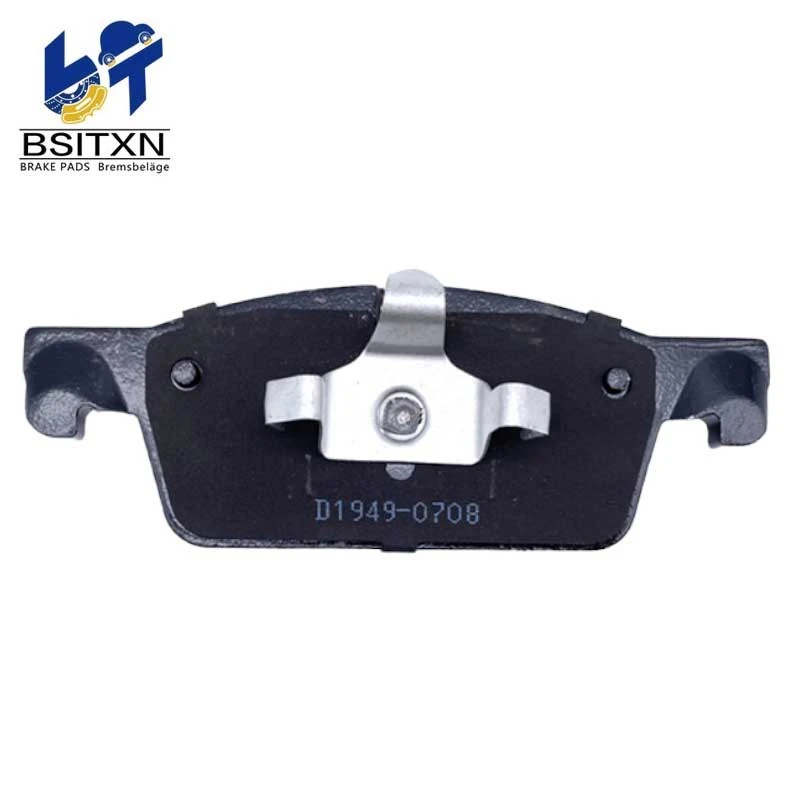
We understand that choosing the right brake pads for your bus is a critical decision that can impact the safety and performance of your vehicle. That's why we offer a wide range of high-quality brake pads, including Carbon Ceramic Brake Pads, M31T6GN3502080 GDB8183 Brake Pads For Changan CS75 PLUS Chery Tiggo 7 8 PLUS PRO Jetour X70 X90 JAC, and Brake Pad Lining, to meet the diverse needs of our customers. Our brake pads are manufactured to the highest standards of quality and performance, and we offer competitive prices and excellent customer service.
If you're interested in learning more about our bus brake pads or would like to discuss your specific requirements, please contact us today. We look forward to working with you to ensure the safety and reliability of your bus's braking system.

References
- Bosch, "Brake Pad Basics," Bosch Automotive Aftermarket, accessed [Date].
- Wagner Brake, "Choosing the Right Brake Pads," Wagner Brake, accessed [Date].
- Motorcraft, "Brake Pad Selection Guide," Motorcraft, accessed [Date].