

When it comes to vehicle safety, the braking system stands as one of the most critical components. Brake pads, in particular, play a pivotal role in this system. They are the friction materials that press against the brake rotors to slow down or stop the vehicle. But what happens when these brake pads get dirty? Can dirty brake pads affect braking? As a brake pads supplier, I'm here to delve into this question and provide you with a comprehensive understanding.
Understanding Brake Pads
Before we explore the impact of dirty brake pads, let's first understand the different types of brake pads available in the market. There are several types, each with its own set of characteristics and performance attributes.
- Silent Guard Brake Pads: These brake pads are designed to provide quiet and smooth braking performance. They are engineered with advanced materials and technologies to reduce noise and vibration, ensuring a comfortable driving experience. You can learn more about them Silent Guard Brake Pads.
- Metallic Brake Pads: Metallic brake pads are known for their durability and high-performance capabilities. They are made from a mixture of metal fibers, which provide excellent heat dissipation and braking power. However, they can be noisier and may cause more wear on the brake rotors compared to other types of brake pads. Check out Metallic Brake Pads for more details.
- Discs Brake Pad And Pads: Disc brake pads are the most common type of brake pads used in modern vehicles. They are designed to work in conjunction with disc brakes, which are more efficient and reliable than drum brakes. These brake pads come in various materials and formulations to suit different driving conditions and vehicle types. For more information, visit Discs Brake Pad And Pads.
How Brake Pads Work
To understand how dirty brake pads can affect braking, it's important to know how brake pads work in the first place. When you press the brake pedal, hydraulic pressure is applied to the brake calipers, which then squeeze the brake pads against the brake rotors. The friction between the brake pads and the rotors converts the kinetic energy of the moving vehicle into heat energy, which slows down or stops the vehicle.
The efficiency of this process depends on several factors, including the quality of the brake pads, the condition of the brake rotors, and the amount of friction between the two surfaces. Any factors that reduce the friction between the brake pads and the rotors can compromise the braking performance of the vehicle.
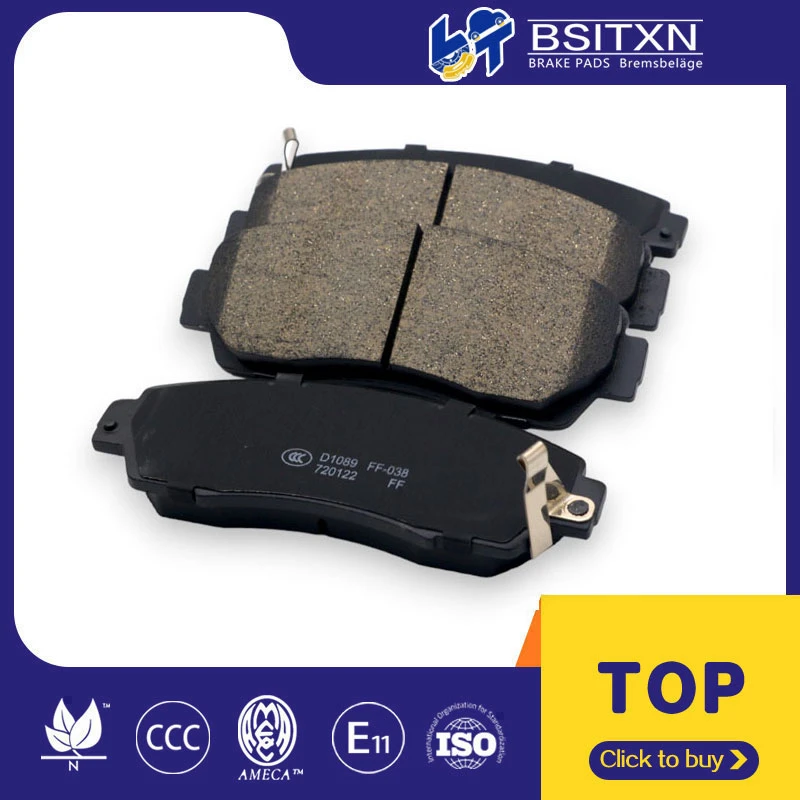
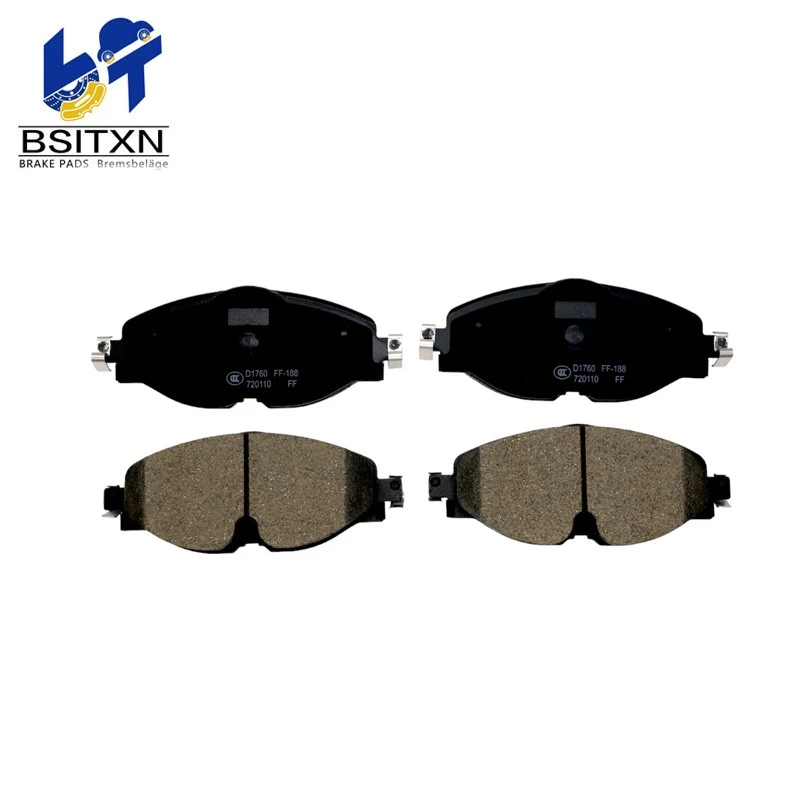
The Impact of Dirty Brake Pads
Dirty brake pads can have a significant impact on the braking performance of a vehicle. Here are some of the ways in which dirty brake pads can affect braking:
Reduced Friction
One of the primary functions of brake pads is to provide friction against the brake rotors. When brake pads get dirty, the contaminants on their surface can act as a lubricant, reducing the friction between the brake pads and the rotors. This can result in longer stopping distances and reduced braking power, making it more difficult to stop the vehicle quickly in an emergency situation.
Uneven Wear
Dirty brake pads can also cause uneven wear on the brake rotors. The contaminants on the brake pads can scratch and score the surface of the rotors, leading to uneven wear patterns. This can cause the brake pads to wear out more quickly and can also result in vibrations and pulsations when braking.
Noise and Vibration
Dirty brake pads can also produce noise and vibration when braking. The contaminants on the brake pads can cause the pads to chatter or squeal, which can be annoying and distracting for the driver. In addition, the uneven wear on the brake rotors can cause vibrations and pulsations, which can also affect the comfort and safety of the vehicle.
Corrosion and Rust
If brake pads are exposed to moisture and other contaminants for an extended period of time, they can develop corrosion and rust. This can weaken the structure of the brake pads and reduce their effectiveness. In addition, the corrosion and rust can also spread to the brake rotors, causing further damage and reducing the overall performance of the braking system.
Causes of Dirty Brake Pads
There are several factors that can cause brake pads to get dirty. Here are some of the most common causes:
Road Debris
Road debris, such as dirt, dust, and gravel, can accumulate on the brake pads over time. This can happen when driving on unpaved roads, in construction zones, or in areas with a lot of traffic. The debris can get trapped between the brake pads and the rotors, reducing the friction and causing the brake pads to wear out more quickly.
Brake Dust
Brake dust is a byproduct of the braking process. As the brake pads wear down, they produce small particles of dust that can accumulate on the surface of the brake pads and the wheels. This dust can be difficult to remove and can contribute to the buildup of dirt and contaminants on the brake pads.
Oil and Grease
Oil and grease can also contaminate the brake pads. This can happen if there is a leak in the brake system or if oil or grease gets splashed onto the brake pads during maintenance or repair work. Oil and grease can act as a lubricant, reducing the friction between the brake pads and the rotors and compromising the braking performance of the vehicle.
Moisture
Moisture can also cause brake pads to get dirty. If the vehicle is driven in wet or humid conditions, the brake pads can absorb moisture, which can lead to corrosion and rust. In addition, moisture can also cause the brake pads to become slippery, reducing the friction and making it more difficult to stop the vehicle.
Preventing Dirty Brake Pads
To prevent dirty brake pads from affecting the braking performance of your vehicle, it's important to take some preventive measures. Here are some tips to help you keep your brake pads clean and in good condition:
Regular Maintenance
Regular maintenance is key to keeping your brake pads clean and in good condition. This includes having your brakes inspected and serviced regularly by a qualified mechanic. During a brake inspection, the mechanic will check the condition of the brake pads, the brake rotors, and the other components of the braking system. They will also clean the brake pads and the wheels to remove any dirt, dust, and debris.
Keep Your Wheels Clean
Keeping your wheels clean can also help prevent dirty brake pads. Regularly wash your wheels with a mild soap and water to remove any brake dust, dirt, and debris. You can also use a wheel cleaner specifically designed to remove brake dust and other contaminants.
Avoid Driving Through Deep Water
Driving through deep water can cause moisture to get into the braking system, which can lead to corrosion and rust. If you need to drive through water, make sure to drive slowly and carefully and avoid sudden braking. After driving through water, apply the brakes gently a few times to dry them out.
Use Quality Brake Pads
Using quality brake pads can also help prevent dirty brake pads. High-quality brake pads are designed to resist wear and tear and are less likely to produce excessive brake dust. They are also made from materials that are less likely to corrode and rust, which can help extend the life of the brake pads and the braking system.
Conclusion
In conclusion, dirty brake pads can have a significant impact on the braking performance of a vehicle. They can reduce friction, cause uneven wear, produce noise and vibration, and lead to corrosion and rust. To prevent these problems, it's important to take some preventive measures, such as regular maintenance, keeping your wheels clean, avoiding driving through deep water, and using quality brake pads.
As a brake pads supplier, we understand the importance of providing high-quality brake pads that are reliable and safe. Our Silent Guard Brake Pads, Metallic Brake Pads, and Discs Brake Pad And Pads are designed to meet the highest standards of quality and performance. If you're interested in learning more about our products or would like to discuss your brake pad needs, please don't hesitate to contact us. We look forward to working with you to ensure the safety and reliability of your vehicle's braking system.
References
- Bosch. (2023). Brake Systems Handbook.
- Centric Parts. (2023). Brake Pad Selection Guide.
- Wagner Brake. (2023). Understanding Brake Pads.