

Brake systems are a critical component of any vehicle, ensuring safety and control on the road. Among the various parts of a brake system, brake shoes play a pivotal role. As a brake shoes supplier, I often encounter questions from customers about the functionality and potential issues related to brake shoes. One common query is whether brake shoes can cause the brakes to lock up. In this blog, we will delve into this topic, exploring the science behind it and the factors that may lead to brake lock - up.
How Brake Shoes Work
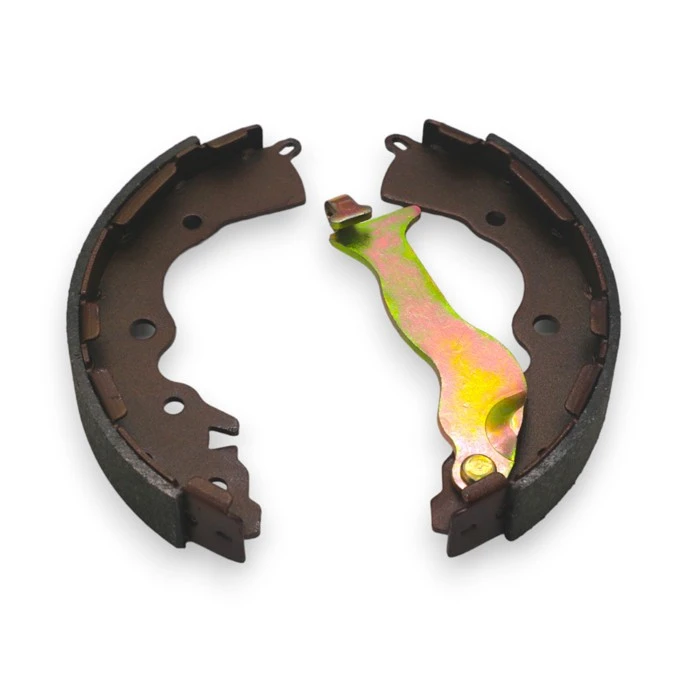
To understand whether brake shoes can cause the brakes to lock up, we first need to know how they function. In a drum brake system, brake shoes are curved metal pieces lined with a friction material. When the driver presses the brake pedal, hydraulic pressure is applied to the wheel cylinders. This pressure forces the brake shoes to expand outward against the inner surface of the brake drum. The friction between the brake shoe lining and the drum slows down the rotation of the wheel, ultimately bringing the vehicle to a stop.
Can Brake Shoes Cause Brake Lock - Up?
The short answer is yes, brake shoes can potentially cause the brakes to lock up. However, it is usually not the sole factor, and several conditions must align for this to happen.
1. Worn - Out Brake Shoes
Over time, the friction material on brake shoes wears down. When the lining becomes too thin, it can lead to uneven braking. The remaining material may not distribute the braking force evenly across the drum surface. In some cases, a particularly worn - out section of the brake shoe may create a concentrated area of high friction. This can cause one wheel to stop rotating much faster than the others, leading to brake lock - up. For example, if the lining on one side of a brake shoe has worn down significantly more than the other side, it may grab the drum too aggressively when the brakes are applied.
2. Glazed Brake Shoes
Glazing occurs when the friction material on the brake shoes becomes hard and smooth. This can happen due to overheating, which may be caused by excessive braking, such as during long downhill drives or repeated hard stops. Glazed brake shoes have reduced friction coefficients under normal operating conditions. However, when the brakes are applied forcefully, the glazed surface can suddenly grip the drum with a high amount of force, resulting in a lock - up situation.
3. Contaminated Brake Shoes
Brake shoes can become contaminated with substances such as oil, grease, or brake fluid. If there is a leak in the brake system, fluid can seep onto the brake shoes. Contamination reduces the friction between the brake shoe and the drum. In an attempt to compensate for the reduced braking performance, the driver may apply more pressure to the brake pedal. When the contaminated area suddenly makes proper contact with the drum, it can cause an unexpected and excessive braking force, leading to lock - up.
4. Incorrect Installation
Proper installation of brake shoes is crucial. If the brake shoes are not installed correctly, they may not make uniform contact with the drum. For instance, if the brake shoes are misaligned or if the springs that hold them in place are not properly tensioned, it can lead to uneven braking. This unevenness can cause one wheel to lock up while the others continue to rotate normally.
The Role of Other Factors
While brake shoes can contribute to brake lock - up, other factors in the brake system also play significant roles.
1. Brake Drums
The condition of the brake drums is essential. If the drums are warped or have excessive wear, they can cause uneven braking. A warped drum can create hot spots, which can affect the performance of the brake shoes. When the brake shoes come into contact with these hot spots, the braking force can be inconsistent, increasing the risk of lock - up.
2. Brake Fluid
Brake fluid is responsible for transmitting the force from the brake pedal to the brake shoes. If the brake fluid is old, contaminated, or has a low boiling point, it can lead to problems. For example, if the fluid boils due to overheating, it can create air bubbles in the brake lines. These air bubbles can reduce the hydraulic pressure, causing the brakes to feel spongy. In some cases, this can lead to an improper application of the brake shoes, potentially resulting in lock - up.
3. ABS System
Most modern vehicles are equipped with an Anti - Lock Braking System (ABS). The ABS is designed to prevent brake lock - up by modulating the brake pressure at each wheel. If the ABS system malfunctions, it may not be able to prevent the wheels from locking up, even if the brake shoes are in good condition.
Our Brake Shoes Solutions
As a brake shoes supplier, we are committed to providing high - quality products that minimize the risk of brake lock - up.
1. High - Quality Materials
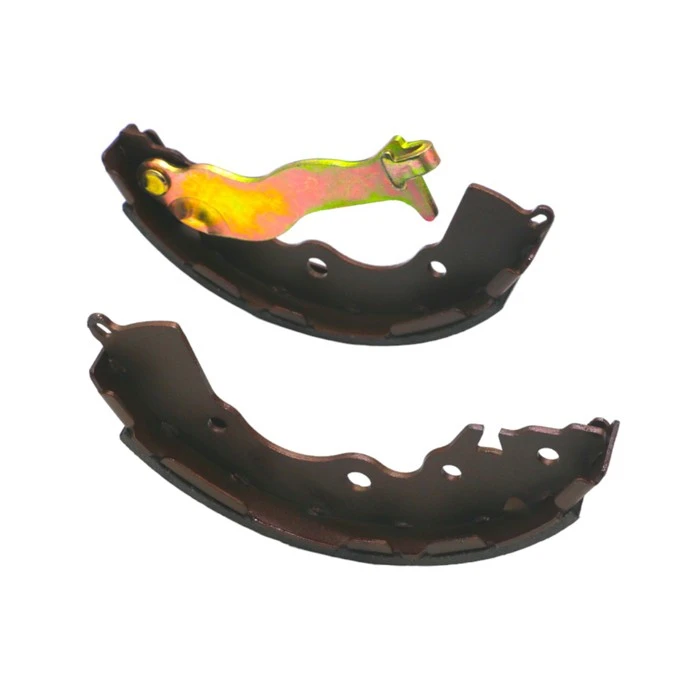
We use premium friction materials in our brake shoes. Our Ceramic Drum Brake Shoes are made from advanced ceramic compounds. These materials offer excellent heat resistance, which helps prevent glazing. They also provide consistent friction performance over a wide range of temperatures, ensuring reliable braking.
2. Precise Manufacturing
Our manufacturing process is highly precise. We use state - of - the - art machinery and strict quality control measures to ensure that each brake shoe is made to exact specifications. This helps in achieving even distribution of the braking force across the drum surface, reducing the risk of uneven braking and lock - up.
3. Factory - Direct Quality
We operate our own Ceramic Drum Brake Shoes Factory and Automobile Brake Shoes Factory. This allows us to have full control over the production process, from the selection of raw materials to the final inspection. By manufacturing our own products, we can ensure that they meet the highest standards of quality and performance.
How to Prevent Brake Lock - Up
To prevent brake lock - up, regular maintenance of the brake system is essential.
- Regular Inspections: Have your brake shoes inspected regularly by a qualified mechanic. They can check for signs of wear, glazing, or contamination and recommend replacement if necessary.
- Proper Driving Habits: Avoid excessive braking. When driving downhill, use lower gears to help control your speed and reduce the need for constant braking.
- Replace Brake Fluid: Follow the manufacturer's recommendations for replacing brake fluid. Fresh brake fluid ensures proper hydraulic function.
Contact Us for Your Brake Shoe Needs
If you are in the market for high - quality brake shoes, we are here to help. Our team of experts can assist you in selecting the right brake shoes for your vehicle. Whether you need Ceramic Drum Brake Shoes or Automobile Brake Shoes, we have a wide range of products to meet your requirements. Contact us today to start a discussion about your brake shoe procurement. We are eager to work with you and provide you with the best solutions for your braking needs.
References
- "Automotive Brake Systems" by John C. Dixon
- "Brake Handbook" by Fred Puhn
- Technical bulletins from major brake component manufacturers