

As a trusted supplier of handbrake brake shoes, I've seen firsthand the importance of proper replacement procedures. Handbrake brake shoes are a critical component of a vehicle's braking system, and replacing them requires careful attention to safety. In this blog post, I'll discuss the safety precautions you should take when replacing handbrake brake shoes and why they are essential.
Understanding the Handbrake Brake System
Before delving into the safety precautions, it's crucial to understand how the handbrake brake system works. The handbrake, also known as the parking brake, is a secondary braking system that operates independently of the main hydraulic brakes. It typically uses a cable mechanism to engage the brake shoes, which press against the brake drum to hold the vehicle in place.
Over time, the brake shoes wear down, reducing their effectiveness. When this happens, it's necessary to replace them to ensure the handbrake functions correctly. However, replacing brake shoes is not a simple task and should be done with caution to avoid accidents.
Safety Precautions When Replacing Handbrake Brake Shoes
1. Gather the Right Tools and Equipment
Before you start the replacement process, make sure you have all the necessary tools and equipment. This includes a jack, jack stands, a lug wrench, a brake spring tool, a brake adjustment tool, and of course, the new handbrake brake shoes. Using the right tools will make the job easier and safer.
2. Park the Vehicle on a Flat Surface
Always park the vehicle on a flat, stable surface before attempting to replace the brake shoes. Engage the parking brake and place wheel chocks in front of and behind the wheels that are not being worked on. This will prevent the vehicle from rolling while you're working on it.
3. Wear Protective Gear
Wear appropriate protective gear, such as safety glasses, gloves, and a dust mask. Brake shoes can generate dust and debris, which can be harmful if inhaled or come into contact with your skin or eyes.
4. Disconnect the Battery
To avoid any electrical hazards, disconnect the negative terminal of the vehicle's battery before starting the replacement process. This will prevent accidental activation of the electrical system while you're working on the brakes.
5. Release the Handbrake Cable
Before removing the old brake shoes, you need to release the handbrake cable. This can usually be done by adjusting the handbrake lever or using a brake adjustment tool. Make sure the cable is fully released to avoid any tension on the brake shoes.
6. Remove the Wheel and Brake Drum
Use the lug wrench to remove the lug nuts from the wheel and carefully lift the wheel off the vehicle using the jack. Place the wheel on the ground and then remove the brake drum. This may require some effort, as the drum can be stuck due to rust or dirt. You may need to use a hammer or a brake drum puller to remove it.
7. Inspect the Brake Components
Once the brake drum is removed, inspect the brake components, including the brake shoes, springs, and hardware. Look for signs of wear, damage, or corrosion. If any components are worn or damaged, they should be replaced.
8. Install the New Brake Shoes
Carefully install the new brake shoes, making sure they are properly aligned and seated in the brake assembly. Use the brake spring tool to install the springs and hardware, following the manufacturer's instructions. Make sure all the components are securely fastened.
9. Adjust the Brake Shoes
After installing the new brake shoes, you need to adjust them to ensure proper clearance between the shoes and the brake drum. Use a brake adjustment tool to adjust the shoes until they just touch the drum. Then, back off the adjustment slightly to allow for proper clearance.
10. Reassemble the Brake System
Once the brake shoes are adjusted, reassemble the brake system by installing the brake drum and the wheel. Tighten the lug nuts securely and lower the vehicle to the ground using the jack. Reconnect the negative terminal of the battery.

11. Test the Handbrake
Before driving the vehicle, test the handbrake to make sure it is working properly. Engage the handbrake and try to move the vehicle forward and backward. The vehicle should not move when the handbrake is engaged.
Why Safety Precautions Are Important
Taking these safety precautions is essential for several reasons. First and foremost, it protects you from injury. Working on a vehicle's brakes can be dangerous, and following the proper safety procedures reduces the risk of accidents.
Secondly, it ensures the proper functioning of the handbrake. If the brake shoes are not installed correctly or adjusted properly, the handbrake may not work effectively, which can lead to a safety hazard.
Finally, it helps to maintain the integrity of the vehicle's braking system. By following the proper replacement procedures and using high-quality brake shoes, you can extend the life of the braking system and prevent costly repairs in the future.
Our Handbrake Brake Shoes
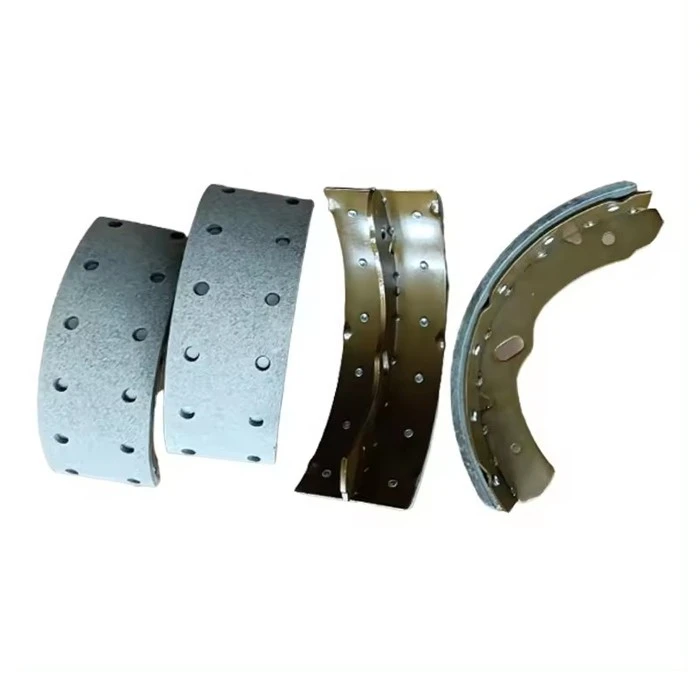
At our company, we offer a wide range of high-quality handbrake brake shoes for various types of vehicles. Our Semi Truck Drum Brake Shoes are designed to provide reliable performance and long-lasting durability for heavy-duty trucks. Our Automobile Brake Shoes are engineered to meet the specific needs of passenger cars and SUVs. And our Ceramic Drum Brake Shoes offer superior braking performance and reduced noise and dust.
We understand the importance of safety when it comes to vehicle brakes, and that's why we only offer products that meet or exceed industry standards. Our brake shoes are made from high-quality materials and are rigorously tested to ensure their performance and reliability.
Contact Us for Your Brake Shoe Needs
If you're in the market for handbrake brake shoes or have any questions about the replacement process, don't hesitate to contact us. Our team of experts is here to help you find the right brake shoes for your vehicle and provide you with the information and support you need. Whether you're a professional mechanic or a DIY enthusiast, we're committed to providing you with the best products and services.
References
- Automotive Brake Systems: Principles and Diagnosis by Tom Denton
- Brake Handbook by Ray Bohacz
- Vehicle Maintenance and Repair Manuals (various manufacturers)