

Are there any DIY methods to extend the life of handbrake brake shoes?
As a supplier of handbrake brake shoes, I often get asked by customers about ways to extend the lifespan of these crucial components. Handbrake brake shoes are an essential part of a vehicle's braking system, and their proper maintenance can not only save you money but also ensure your safety on the road. In this blog, I'll share some DIY methods that can help you achieve just that.
Understanding Handbrake Brake Shoes
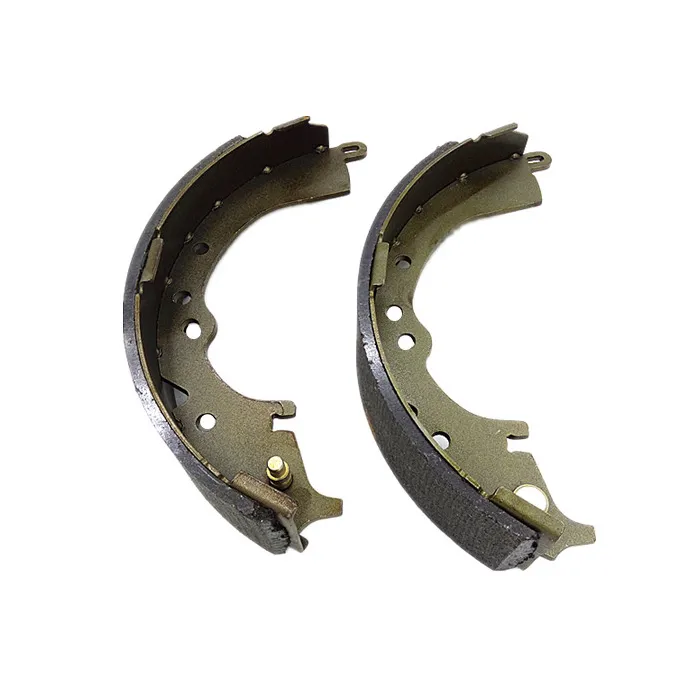
Before diving into the DIY methods, it's important to understand how handbrake brake shoes work. The handbrake, also known as the parking brake, is a secondary braking system in your vehicle. It uses brake shoes to create friction against the brake drum or disc, which holds the vehicle in place when parked. Over time, the friction causes the brake shoes to wear down, and eventually, they need to be replaced.
The wear rate of handbrake brake shoes can vary depending on several factors, such as driving habits, vehicle type, and the quality of the brake shoes themselves. Aggressive driving, frequent use of the handbrake on steep slopes, and heavy loads can all accelerate the wear of the brake shoes.
DIY Methods to Extend the Life of Handbrake Brake Shoes
1. Regular Inspection
One of the simplest and most effective ways to extend the life of your handbrake brake shoes is to conduct regular inspections. You should visually inspect the brake shoes at least once a month or every 1,000 miles, whichever comes first. Look for signs of excessive wear, such as thin brake linings, cracks, or uneven wear patterns. If you notice any of these issues, it's important to address them promptly.
To inspect the brake shoes, you'll need to remove the wheels and access the brake assembly. This can be a bit tricky, especially if you're not familiar with your vehicle's braking system. If you're unsure how to do it, it's best to consult your vehicle's owner's manual or take it to a professional mechanic.
2. Keep the Brake System Clean
Dirt, dust, and debris can accumulate on the brake shoes and brake drums or discs, which can cause premature wear. To prevent this, you should keep the brake system clean. You can use a brake cleaner spray to remove any dirt or debris from the brake shoes and drums or discs. Make sure to follow the instructions on the cleaner spray carefully and wear protective gloves and eyewear.
In addition to using a brake cleaner spray, you should also avoid driving through deep puddles or mud, as this can splash dirt and water onto the brake system. If you do drive through wet or muddy conditions, make sure to dry the brake system thoroughly by applying the brakes gently a few times after you've left the wet area.
3. Adjust the Handbrake Properly
A properly adjusted handbrake can help reduce the wear on the brake shoes. If the handbrake is too loose, it may not hold the vehicle securely when parked, which can cause the brake shoes to slip and wear down faster. On the other hand, if the handbrake is too tight, it can cause the brake shoes to drag against the brake drum or disc, which can also lead to premature wear.
To adjust the handbrake, you'll need to locate the adjustment mechanism, which is usually located under the dashboard or near the center console. Refer to your vehicle's owner's manual for specific instructions on how to adjust the handbrake. If you're unsure how to do it, it's best to take it to a professional mechanic.
4. Drive Responsibly
Your driving habits can have a significant impact on the lifespan of your handbrake brake shoes. Aggressive driving, such as sudden stops and starts, can put extra stress on the brake system and cause the brake shoes to wear down faster. To extend the life of your brake shoes, you should drive responsibly and avoid unnecessary braking.
When parking your vehicle, make sure to use the handbrake only when necessary. If you're parked on a flat surface, you can usually rely on the transmission to hold the vehicle in place. However, if you're parked on a slope, it's important to use the handbrake to prevent the vehicle from rolling.
5. Use High - Quality Brake Shoes
Investing in high - quality brake shoes can make a big difference in their lifespan. At our company, we offer a wide range of Handbrake Brake Shoes that are made from high - quality materials and designed to provide long - lasting performance. Our Ceramic Drum Brake Shoes are known for their excellent heat resistance and low noise levels, while our Rear Disc Parking Brake Shoes are designed to provide reliable braking performance.
When choosing brake shoes, make sure to select the ones that are compatible with your vehicle's make and model. You can also consult with our experts to get advice on the best brake shoes for your specific needs.
When to Replace Handbrake Brake Shoes
Even with proper maintenance, handbrake brake shoes will eventually need to be replaced. The general rule of thumb is to replace the brake shoes when the lining thickness reaches 1/8 inch or less. However, this can vary depending on the vehicle and the driving conditions.
Some signs that indicate it's time to replace the handbrake brake shoes include:
- A soft or spongy handbrake lever
- The vehicle rolls when parked, even with the handbrake engaged
- A screeching or grinding noise when applying the handbrake
- The handbrake warning light on the dashboard comes on
If you notice any of these signs, it's important to replace the brake shoes as soon as possible to ensure your safety on the road.
Conclusion
Extending the life of handbrake brake shoes is not only about saving money but also about ensuring the safety and reliability of your vehicle. By following the DIY methods outlined in this blog, such as regular inspection, keeping the brake system clean, adjusting the handbrake properly, driving responsibly, and using high - quality brake shoes, you can significantly extend the lifespan of your handbrake brake shoes.
If you're interested in purchasing high - quality handbrake brake shoes or have any questions about our products, please feel free to contact us. We're always here to help you find the best braking solutions for your vehicle.

References
- "Automotive Brake Systems" by John Halderman
- Vehicle owner's manuals