

Hey there, fellow car enthusiasts! As a supplier of car brake pads, I've been getting a lot of questions lately about additives that can boost brake pad performance. So, I thought I'd dive into this topic and share what I know.
First off, let's understand why we might want to improve brake pad performance. Better brake pads mean shorter stopping distances, more consistent braking, and less wear and tear on your vehicle. It's not just about safety, although that's a huge factor. It's also about getting the most out of your car and having a smoother driving experience.
So, are there any additives that can do the trick? The answer is yes, and there are quite a few of them. Let's take a look at some of the most common ones.
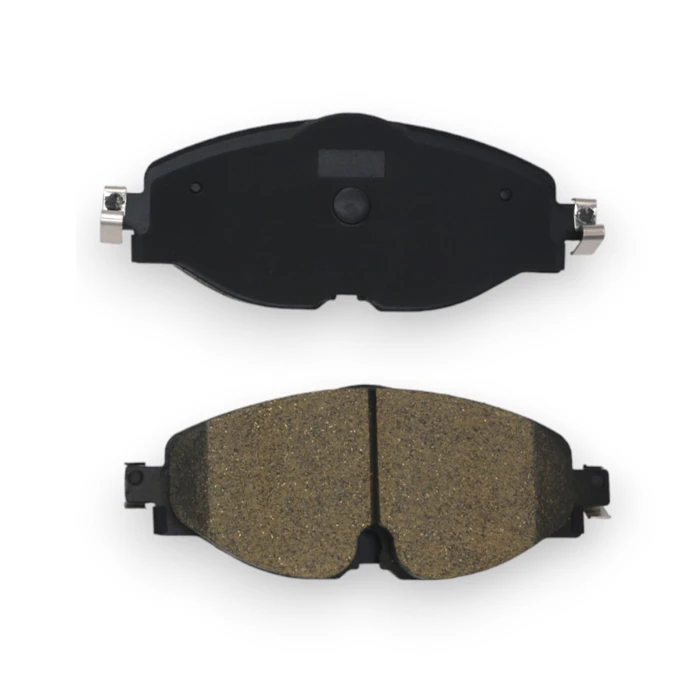
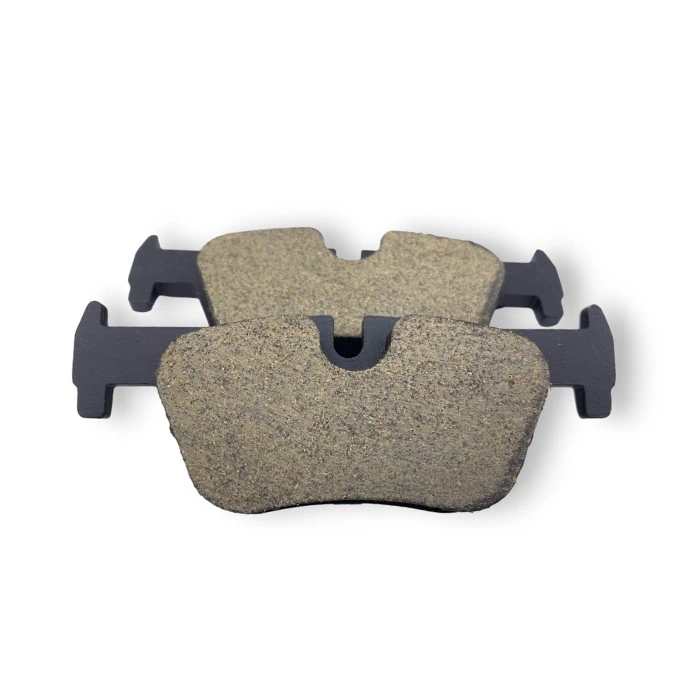
1. Copper
Copper is a well - known additive in brake pads. It's a great conductor of heat, which means it can help dissipate the heat generated during braking. When you hit the brakes, a lot of energy is converted into heat. If this heat isn't managed properly, it can cause the brake pads to fade, reducing their effectiveness. Copper helps to keep the temperature in check, so your brakes stay responsive.
However, there's a bit of a catch. Copper is a heavy metal, and there are environmental concerns associated with its use. In some areas, there are regulations limiting the amount of copper in brake pads. But don't worry, manufacturers are constantly working on finding alternatives or reducing the copper content while still maintaining performance.
2. Aramid Fibers
Aramid fibers, like those found in Kevlar, are another popular additive. These fibers are incredibly strong and heat - resistant. They help to improve the friction coefficient of the brake pads, which means better stopping power. They also add durability, so your brake pads last longer.
Aramid fibers are flexible, which allows them to conform to the surface of the brake rotor better. This results in more even braking and less vibration. If you've ever experienced a pulsating brake pedal, it could be due to uneven braking, and aramid fibers can help with that.
3. Ceramic Particles
Ceramic brake pads have become increasingly popular in recent years, and for good reason. The ceramic particles used in these pads offer several advantages. They are very hard, which means they wear less quickly than other types of brake pads. They also produce less dust, so your wheels stay cleaner.
Ceramic particles are great at managing heat. They have a high melting point, so they can withstand the intense heat generated during braking without losing their effectiveness. And they're quiet! If you're tired of that annoying squealing sound when you hit the brakes, ceramic brake pads might be the answer. You can check out our Auto Ceramic Brake Pads for more information on this type of brake pad.
4. Graphite
Graphite is a lubricant and a good conductor of heat. When added to brake pads, it helps to reduce friction between the pad and the rotor, which can prevent wear and tear. It also helps to keep the brakes quiet.
Graphite can improve the overall performance of the brake pads by providing a more consistent friction coefficient. This means that your brakes will respond predictably every time you step on the pedal.
5. Friction Modifiers
Friction modifiers are a group of additives that are used to fine - tune the friction characteristics of the brake pads. They can be adjusted to provide different levels of friction depending on the application. For example, racing brake pads might have a high - friction modifier to provide maximum stopping power on the track.
On the other hand, regular street - use brake pads might have a different type of friction modifier to provide a smooth and comfortable braking experience. You can explore our Friction Brake Pads to see how these modifiers work in different brake pad designs.
6. Metal Powders
In addition to copper, other metal powders like iron and steel can be added to brake pads. These metals increase the density of the brake pads, which can improve their durability and heat - dissipation properties. They also contribute to the friction coefficient, providing better stopping power.
However, metal powders can also make the brake pads noisier and more prone to producing dust. So, it's a bit of a trade - off between performance and these other factors.
Choosing the Right Brake Pads for Your Needs
Now that you know about these additives, how do you choose the right brake pads for your car? Well, it depends on your driving style and your vehicle.
If you're a casual driver who mostly drives in the city, ceramic brake pads might be a great choice. They're quiet, produce less dust, and offer a smooth braking experience.
On the other hand, if you're a performance enthusiast or you do a lot of high - speed driving, you might want to consider Racing Carbon Brake Pads. These pads are designed to handle the intense heat and stress of high - performance driving.
As a brake pad supplier, I can tell you that we test all our products rigorously to ensure they meet the highest standards of performance and safety. We use a combination of these additives to create brake pads that offer the best balance of performance, durability, and environmental friendliness.
The Future of Brake Pad Additives
The automotive industry is constantly evolving, and so are brake pad technologies. Manufacturers are always looking for new additives and combinations of additives to improve performance even further. There's a growing focus on developing more environmentally friendly options, as well as brake pads that can adapt to different driving conditions.
For example, there are research efforts underway to develop smart brake pads that can adjust their friction characteristics based on factors like speed, temperature, and road conditions. This could lead to even safer and more efficient braking systems in the future.
Contact Us for Your Brake Pad Needs
If you're in the market for new brake pads, whether it's for your daily driver or your high - performance vehicle, we're here to help. We have a wide range of brake pads to suit different needs and budgets. We can provide you with detailed information about the additives used in our products and help you make an informed decision.
Don't hesitate to reach out to us if you have any questions or if you're interested in discussing a potential purchase. We're always happy to talk about brake pads and find the best solution for you.
References
- Automotive Brake Systems Handbook
- Journal of Friction and Wear
- Society of Automotive Engineers (SAE) Publications