

Hey there! As a supplier of car metallic brake pads, I often get asked whether these bad boys are environmentally friendly. It's a hot topic, and I'm here to break it down for you in plain English.
Let's start by understanding what car metallic brake pads are. These brake pads are made from a mix of metals like steel, copper, and iron, along with some other materials. They're known for their durability and high - performance braking capabilities. But when it comes to the environment, things get a bit more complicated.
One of the main environmental concerns with car metallic brake pads is the issue of brake dust. When you apply the brakes, the friction between the brake pads and the rotors causes the pads to wear down, and tiny particles of metal are released into the air as brake dust. This brake dust can be a real problem. Studies have shown that these metal particles can end up in the soil, water, and air. They can have a negative impact on plants, animals, and even human health. For example, some metals in the brake dust, like copper, can be toxic to aquatic life when they find their way into rivers and lakes.
However, it's not all doom and gloom. Compared to some other types of brake pads, like semi - metallic ones, car metallic brake pads can have a longer lifespan. This means that you don't have to replace them as often. When you think about it, less frequent replacements mean less waste going to landfills. And that's a win for the environment.
Another factor to consider is the energy efficiency of car metallic brake pads. These pads are great at converting the kinetic energy of the moving vehicle into heat energy during braking. This efficient energy conversion can actually contribute to better fuel economy in some cases. When your car uses less fuel, it emits fewer greenhouse gases, which is good for the planet.
Now, let's talk about some of the steps that we, as a supplier, are taking to make our car metallic brake pads more environmentally friendly. We're constantly researching and developing new manufacturing processes to reduce the amount of metal waste during production. We're also looking into ways to minimize the release of brake dust. For example, we're working on improving the surface finish of the brake pads so that they wear more evenly and produce less dust.
When it comes to the materials we use, we're trying to source them more sustainably. We're looking for suppliers who follow environmentally friendly mining and manufacturing practices. This way, we can reduce the overall environmental impact of our products from the very beginning of the supply chain.
But what about the alternatives? There are other types of brake pads out there, like ceramic brake pads. You can check out our Auto Ceramic Brake Pads on our website. Ceramic brake pads are known for producing less brake dust compared to metallic ones. They're also quieter and can have a longer lifespan in some situations. However, they can be more expensive to produce and may not offer the same level of high - performance braking as car metallic brake pads.
If you're in the market for a complete set of brake pads, we've got you covered. Our Front And Rear Brake Pads Set is a great option for those who want to replace all their brake pads at once. And if you only need the front ones, our Front Brake Pad Kit is the way to go.
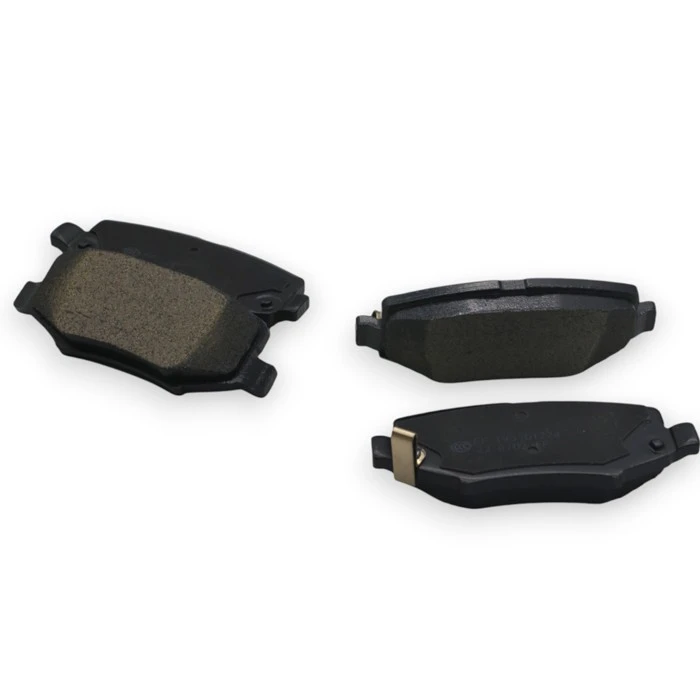

So, are car metallic brake pads environmentally friendly? Well, it's a bit of a mixed bag. They do have some environmental drawbacks, mainly due to the brake dust. But they also have some advantages, like longer lifespan and better energy efficiency. As a supplier, we're doing our best to make them as eco - friendly as possible.
If you're a car owner, mechanic, or someone in the automotive industry, and you're interested in our car metallic brake pads, we'd love to hear from you. Whether you have questions about our products, want to know more about our environmental initiatives, or are ready to place an order, we're here to help. Reach out to us and let's start a conversation about how we can meet your brake pad needs while also being kind to the environment.
References
- "Environmental Impact of Brake Wear Particles" - Journal of Environmental Science and Technology
- "Comparative Analysis of Different Brake Pad Materials" - Automotive Engineering Research Journal