

Why do automobile brake shoes cause vibrations when braking?
As a supplier of automobile brake shoes, I've received numerous inquiries from customers about the vibrations that occur during braking. This issue not only affects the driving experience but also raises concerns about safety. In this blog, I'll delve into the various reasons behind these vibrations and offer some insights on how to address them.
1. Uneven Brake Pad Wear
One of the most common causes of braking vibrations is uneven wear of the brake pads. Over time, brake pads can wear down unevenly due to a variety of factors. For instance, if the calipers are not functioning properly, they may not apply an equal amount of pressure on the brake pads. This uneven pressure distribution leads to one side of the brake pad wearing faster than the other. When the brake is applied, the uneven surface of the worn brake pads causes the rotor to vibrate.
To illustrate, imagine a scenario where the left - hand caliper is slightly stuck and doesn't release fully after braking. As a result, the left - hand brake pad is constantly in contact with the rotor, wearing it down more rapidly than the right - hand pad. When you step on the brakes, the difference in the thickness and surface condition of the two pads causes an imbalance, leading to vibrations.
2. Warped Brake Rotors
Brake rotors can become warped due to excessive heat or improper installation. When you brake, friction between the brake pads and the rotors generates a significant amount of heat. If the brakes are used aggressively, such as during repeated hard stops or in high - speed driving, the rotors can overheat. This excessive heat can cause the metal in the rotors to expand unevenly, leading to warping.
Improper installation is another culprit. If the rotors are not installed correctly, they may not be centered properly on the hub. This misalignment can cause uneven pressure on the brake pads during braking, leading to vibrations. A warped rotor has an uneven surface, and as the brake pads come into contact with it, the varying thickness of the rotor causes the brake system to vibrate.
3. Loose or Worn Suspension Components
The suspension system plays a crucial role in the smooth operation of the braking system. Loose or worn suspension components can transfer vibrations from the road to the braking system. For example, if the control arms, ball joints, or tie rod ends are worn, they can allow the wheels to move out of alignment. When you brake, the misaligned wheels can cause the brake shoes to vibrate.
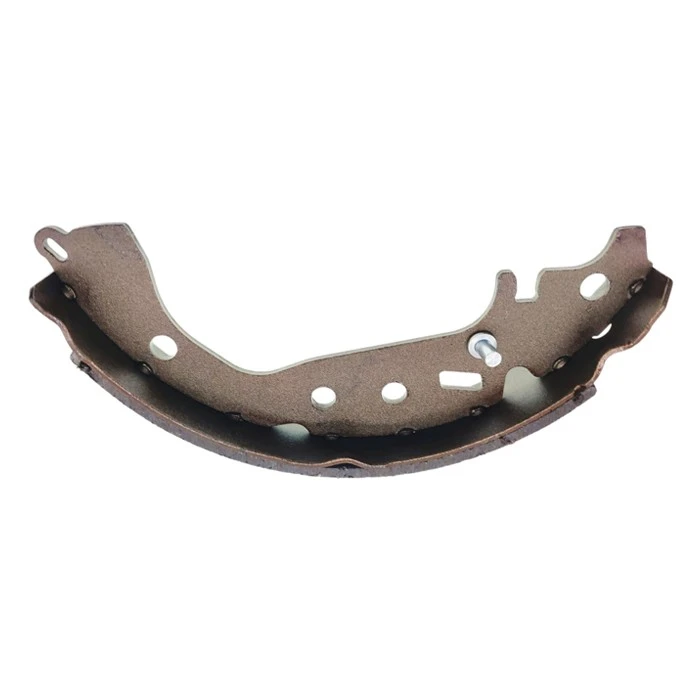

A worn shock absorber or strut can also contribute to the problem. These components are designed to dampen the vibrations from the road. If they are not functioning properly, the vibrations can be transmitted directly to the braking system, causing the brake shoes to vibrate during braking.
4. Contaminated Brake Pads
Brake pads can become contaminated with various substances, such as oil, grease, or brake fluid. If there is a leak in the brake system or if oil from other components drips onto the brake pads, it can reduce the friction coefficient between the pads and the rotors. This uneven friction can cause the brake shoes to vibrate during braking.
Contamination can also occur during the manufacturing or installation process. If the brake pads are not properly cleaned before installation, dirt or debris can get trapped between the pads and the rotors, leading to vibrations.
5. Incorrect Brake Shoe Installation
Incorrect installation of the brake shoes can also lead to vibrations. If the brake shoes are not properly seated in the caliper or if the springs and clips that hold them in place are not installed correctly, they may move or shift during braking. This movement can cause uneven pressure on the rotors, resulting in vibrations.
For example, if the return springs on the brake shoes are too weak or are not installed in the right position, the brake shoes may not return to their original position properly after braking. This can cause the pads to drag on the rotors, leading to uneven wear and vibrations.
6. Faulty Brake Calipers
Brake calipers are responsible for applying pressure to the brake pads. If a caliper is faulty, it may not apply pressure evenly or may stick in the open or closed position. A sticking caliper can cause one brake pad to be constantly in contact with the rotor, leading to uneven wear and vibrations.
A caliper piston that is seized or not moving smoothly can also cause problems. When the brake pedal is pressed, the piston should move out to apply pressure on the brake pad. If it is stuck, the pressure distribution will be uneven, causing vibrations during braking.
Solutions and Our Products
To address these issues, it's important to conduct regular maintenance and inspections of the braking system. For uneven brake pad wear, replacing the worn pads and ensuring proper caliper function can solve the problem. If the rotors are warped, they may need to be resurfaced or replaced.
At our company, we offer a wide range of high - quality brake shoes, including Rear Parking Brake Shoes, Handbrake Brake Shoes, and Rear Drum Parking Brake Shoes. Our brake shoes are made from premium materials that are designed to withstand high temperatures and provide consistent friction. We also ensure strict quality control during the manufacturing process to minimize the risk of uneven wear or other defects.
If you are experiencing vibrations during braking, we recommend having your vehicle inspected by a professional mechanic. However, if you are looking for reliable brake shoes to replace your old ones, our products are a great choice. We are committed to providing our customers with the best - in - class brake shoes that offer smooth and reliable braking performance.
If you are interested in our products or have any questions about automobile brake shoes, please feel free to contact us for a purchase negotiation. We look forward to serving you and helping you solve your braking system problems.
References
- Bosch Automotive Handbook. 8th Edition.
- Chilton's Automotive Repair Manuals.