

Replacing car rear brake shoes is a task that might seem daunting at first, but with the right tools and a bit of know - how, it can be done at home. As a car rear brake shoes supplier, I've seen firsthand how having the proper equipment can make this job a whole lot easier. In this blog, I'll walk you through the essential tools you'll need to replace your car's rear brake shoes.
1. Socket and Wrench Set
A good socket and wrench set is an absolute must. You'll need it to remove the wheels and access the brake assembly. Most cars use lug nuts to secure the wheels, and these usually require a socket. A socket set typically comes with various sizes, so you can find the one that fits your car's lug nuts perfectly. Once the wheels are off, you'll also use the sockets and wrenches to remove other components like the caliper bolts. For example, on some vehicles, the caliper is held in place with bolts that need to be removed to access the brake shoes. Make sure your set includes both metric and standard sizes, as different car manufacturers use different measurement systems.
2. Brake Spring Tool
Brake shoes are held in place by a series of springs and clips. To remove and replace these without damaging them, a brake spring tool is essential. This tool allows you to safely compress and release the springs, making the removal and installation of the brake shoes a breeze. It's designed to fit into tight spaces and handle the high tension of the springs. Without a brake spring tool, you might end up bending or breaking the springs, which can lead to improper brake function.
3. C - Clamp
After removing the old brake shoes, you'll need to compress the caliper piston before installing the new ones. A C - clamp is the perfect tool for this job. Simply place the C - clamp between the piston and the caliper body and slowly turn the screw to compress the piston. This is necessary because new brake shoes are thicker than the old ones, and the piston needs to be retracted to accommodate them. It's important to be gentle when using the C - clamp to avoid damaging the piston.
4. Brake Cleaner
Brake cleaner is crucial for maintaining the efficiency and safety of your brakes. Before installing the new brake shoes, you'll want to clean the brake components thoroughly. Brake cleaner removes dirt, grease, and brake dust from the caliper, rotors, and other parts of the brake assembly. It helps to ensure that the new brake shoes make proper contact with the rotors, which is essential for effective braking. Just spray the cleaner on the components and let it evaporate. Make sure to work in a well - ventilated area, as brake cleaner can be toxic.
5. Torque Wrench
Once you've installed the new brake shoes and put the wheels back on, it's important to tighten the lug nuts to the proper torque. A torque wrench allows you to apply the exact amount of force needed to tighten the nuts. Over - tightening or under - tightening the lug nuts can be dangerous. Over - tightening can cause the wheel to warp or the studs to break, while under - tightening can lead to the wheel coming loose while you're driving. So, a torque wrench is a must - have tool for this final step.
6. Jack and Jack Stands
To access the rear brakes, you'll need to lift the car off the ground. A jack is used to raise the vehicle, and jack stands are used to support it safely once it's up. Make sure to use a jack that's rated for the weight of your car. Place the jack in the appropriate lifting point, as specified in your car's owner's manual. Once the car is lifted, position the jack stands under the designated support points and lower the car onto the stands. Never work under a car that's only supported by a jack, as it can be unstable and dangerous.
7. Pliers
Pliers come in handy for various tasks during the brake shoe replacement process. You can use them to remove small clips, hold parts in place, or bend wires if necessary. Needle - nose pliers are especially useful for reaching into tight spaces. For example, you might need to use pliers to remove a small retaining clip that holds a brake line in place.
8. Screwdriver
A set of screwdrivers is also essential. You may need them to remove screws that hold the brake dust shield or other small components in place. Different types of screwdrivers, such as flat - head and Phillips - head, might be required depending on your car's make and model.
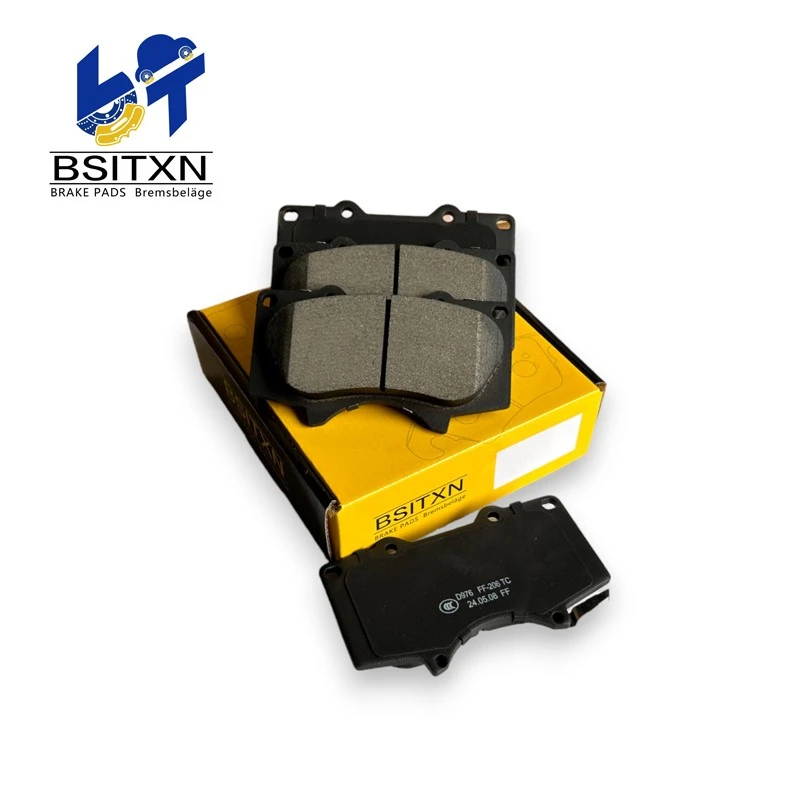
If you're in the market for high - quality brake pads, we've got some great options. Check out our Slotted Ceramic Brake Pads. These pads offer excellent braking performance and are designed to last. If you're looking for a quiet and smooth braking experience, our Silent Guard Brake Pads are a great choice. And for those of you with buses, we also have Bus Brake Pads that are built to handle the heavy - duty demands of commercial vehicles.
If you're interested in purchasing our car rear brake shoes or any of our other brake products, don't hesitate to reach out. We're more than happy to discuss your specific needs and provide a quote. Whether you're a professional mechanic or a DIY enthusiast, we've got the right brake solutions for you.

References
- Haynes Repair Manuals. Common automotive repair guides that provide detailed information on brake system maintenance.
- Chilton Automotive Repair Manuals. Another well - known source for automotive repair procedures, including brake shoe replacement.