

When it comes to the safety and efficiency of freight cars, the proper installation and maintenance of brake shoes are of utmost importance. As a reputable freight car brake shoes supplier, I understand the critical role these components play in ensuring smooth and secure operations on the railway. In this blog post, I will delve into the essential tools required to install freight car brake shoes, providing you with valuable insights and guidance.
Understanding Freight Car Brake Shoes
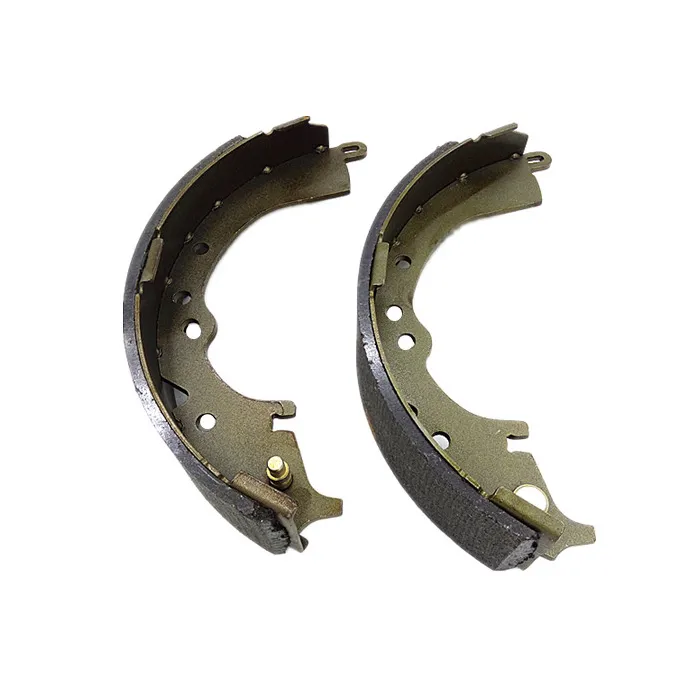
Before we explore the installation tools, let's briefly understand the significance of freight car brake shoes. These brake shoes are a crucial part of the braking system in freight cars, responsible for creating friction against the wheels to slow down or stop the train. High - quality brake shoes are essential for reliable braking performance, especially considering the heavy loads and high speeds that freight cars often encounter.
We offer a wide range of brake shoes suitable for different types of freight cars. You can explore our Handbrake Brake Shoes, Automobile Brake Shoes, and Trailer Drum Brake Shoes to find the perfect fit for your needs.
Essential Tools for Installing Freight Car Brake Shoes
1. Wrenches
Wrenches are among the most fundamental tools for brake shoe installation. You will need a variety of wrenches to loosen and tighten bolts and nuts. Socket wrenches are particularly useful as they come in different sizes and can fit snugly over the fasteners. Open - end wrenches are also handy for general work and can be used in situations where a socket wrench may not be accessible. A combination wrench set that includes both open - end and socket wrenches of different sizes is highly recommended.
2. Pliers
Pliers are versatile tools that have multiple applications in brake shoe installation. Needle - nose pliers can be used to grip and manipulate small components, such as cotter pins. Slip - joint pliers are useful for holding and turning objects of different sizes. They can be used to hold brake shoe hardware in place during installation, ensuring that everything stays in the correct position.
3. Brake Spring Tool
Brake shoes are often held in place by springs, and a brake spring tool is necessary to safely remove and install these springs. This tool is designed to handle the tension of the springs, allowing you to disassemble and reassemble the brake system without getting injured. It helps in compressing and releasing the springs accurately, ensuring that the brake shoes are properly seated.
4. Hammer
A hammer is a simple yet essential tool. It can be used to gently tap the brake shoes into place, especially if they are a bit tight. A small, rubber - mallet type of hammer is preferred as it won't damage the brake shoe or other components. You can also use the hammer to tap out any stubborn cotter pins or to realign parts during the installation process.
5. Measuring Tools
Accurate measurement is crucial for proper brake shoe installation. A caliper can be used to measure the thickness of the brake shoes, ensuring that they meet the required specifications. A micrometer can provide even more precise measurements, which is especially important when dealing with high - precision components. Measuring the diameter of the brake drums is also necessary to ensure a proper fit between the brake shoes and the drums.
6. Brake Bleeder
If the freight car's braking system is a hydraulic system, a brake bleeder is essential. This tool is used to remove air bubbles from the hydraulic lines. Air in the lines can lead to a spongy brake pedal and reduced braking performance. By using a brake bleeder, you can ensure that the hydraulic system is working at its best.
7. Cleaning Tools
Before installing new brake shoes, it is important to clean the brake components thoroughly. A wire brush can be used to remove rust and dirt from the brake drums and other surfaces. A brake cleaner spray is also necessary to remove any grease or oil that may be present on the components. Clean components ensure better contact between the brake shoes and the drums, leading to improved braking performance.
Installation Process and the Use of Tools
Step 1: Preparation
Start by parking the freight car on a level surface and engaging the parking brake. Use appropriate wheel chocks to prevent the car from rolling. Gather all the necessary tools and your new brake shoes.

Step 2: Removing the Old Brake Shoes
Use wrenches to remove the bolts or nuts that hold the brake assembly in place. Carefully remove the cotter pins using pliers. Then, use a brake spring tool to release the tension on the springs and remove the old brake shoes.
Step 3: Cleaning the Components
Use a wire brush and brake cleaner to clean the brake drums and other components. Ensure that all the surfaces are free from dirt, rust, and grease.
Step 4: Measuring and Inspection
Use a caliper or micrometer to measure the thickness of the new brake shoes and the diameter of the brake drums. Inspect all the components for any signs of damage or wear.
Step 5: Installing the New Brake Shoes
Position the new brake shoes in place. Use the brake spring tool to compress the springs and secure the brake shoes. Reinstall the cotter pins using pliers and tighten all the bolts and nuts using the appropriate wrenches.
Step 6: Bleeding the Brakes (if applicable)
If the braking system is hydraulic, use a brake bleeder to remove any air from the lines. Follow the manufacturer's instructions for bleeding the brakes.
Step 7: Final Checks
Once the installation is complete, perform a final inspection to ensure that all the components are properly installed and tightened. Check the operation of the brakes to make sure they are working smoothly.
Importance of Using the Right Tools
Using the correct tools for installing freight car brake shoes is essential for several reasons. First, it ensures the safety of the installation process. Tools that are designed specifically for brake systems are engineered to handle the high - stress components without causing damage or injury. Second, proper tools contribute to the accuracy of the installation. Precise measurements and proper alignment are crucial for the optimal performance of the brake system. Finally, using the right tools can save time and effort, making the installation process more efficient.
Contact Us for Your Brake Shoe Needs
As a trusted freight car brake shoes supplier, we are committed to providing you with high - quality brake shoes and valuable guidance. Whether you are a railway operator, a maintenance professional, or someone looking for reliable brake solutions, we have the expertise and products to meet your needs. If you are interested in purchasing our brake shoes or have any questions about installation, feel free to contact us. We are here to assist you in making the right choice for your freight car braking system.
References
- Railway Brake System Manuals
- Brake Shoe Manufacturer's Guides
- Industry - standard Maintenance and Installation Handbooks