

If your brake lining gets wet, it can be a nerve - wracking situation. As a brake lining supplier, I've seen firsthand the concerns and questions that customers have when this happens. In this blog, I'll guide you through what to do if your brake lining encounters moisture and how to prevent future issues.
Understanding the Impact of Wet Brake Linings
Brake linings are a critical component of your vehicle's braking system. When they get wet, the friction coefficient between the brake lining and the brake drum or disc can be significantly reduced. This reduction in friction means that your brakes may not work as effectively as they should. You might notice that your vehicle takes longer to stop, or the brakes feel spongy or less responsive.

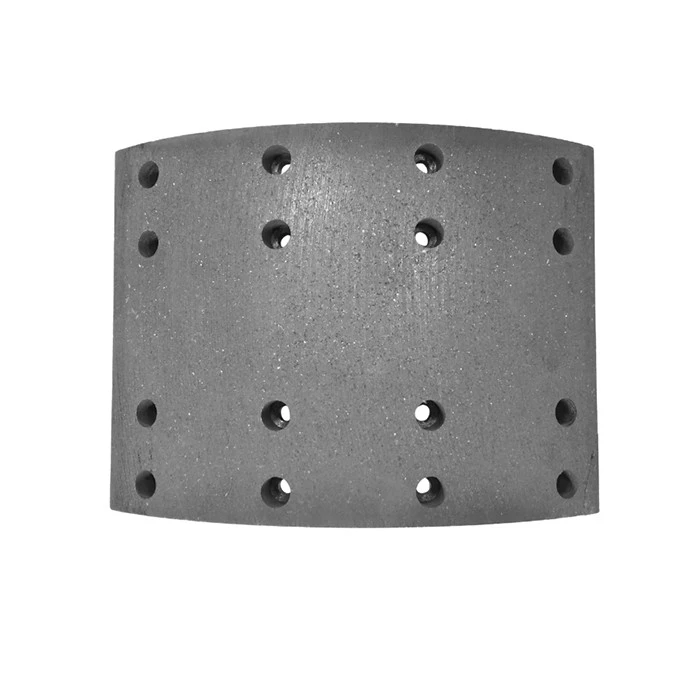
Water can also cause corrosion on the brake components. The brake lining itself can start to delaminate or lose its structural integrity if it remains wet for an extended period. This can lead to premature wear and tear, and in extreme cases, complete brake failure.
Immediate Steps to Take
- Dry the Brakes Gradually: If you suspect that your brake linings are wet, the first thing you should do is try to dry them. One of the safest ways to do this is by driving at a low speed and gently applying the brakes intermittently. This generates heat, which helps to evaporate the water. However, be cautious not to overheat the brakes, as this can also cause damage.
- Check for Other Issues: While drying the brakes, pay attention to any unusual noises, vibrations, or changes in the braking performance. If you notice any of these, it could indicate more serious damage. For example, a grinding noise might mean that the brake lining has worn down unevenly due to the moisture.
- Avoid Hard Braking: In the initial stages of drying the brakes, avoid hard braking. Hard braking can cause the wet brake linings to skid against the brake drum or disc, which not only reduces the effectiveness of the brakes but can also cause further damage to the lining.
Assessing the Damage
- Visual Inspection: Once you've had a chance to dry the brakes and reach a safe location, perform a visual inspection. Look for signs of water damage, such as rust on the brake components or discoloration of the brake lining. If the lining appears to be swollen or has a spongy texture, it may have absorbed too much water and could need replacement.
- Professional Inspection: If you're unsure about the condition of your brake linings, it's always a good idea to have a professional mechanic take a look. They have the expertise and tools to accurately assess the damage and recommend the appropriate course of action.
Different Types of Brake Linings and Their Reactions to Water
- Front Brake Lining: Front brake linings usually bear a larger portion of the braking load. When they get wet, the reduced friction can be especially noticeable. Since the front brakes are crucial for stopping the vehicle, any issues with them should be addressed promptly.
- Trailer Brake Lining: Trailer brake linings are often exposed to more harsh conditions, including water splashes from the road. They need to be more durable and resistant to moisture. However, if they do get wet, the same principles of drying and inspection apply.
- Heavy Truck Brake Linings: Heavy trucks require a high - performance braking system. Wet brake linings in a heavy truck can be extremely dangerous due to the large amount of weight they need to stop. In such cases, it's essential to follow the proper drying and inspection procedures carefully.
Preventing Wet Brake Linings
- Regular Maintenance: Keep your vehicle's braking system well - maintained. This includes checking the brake fluid level, inspecting the brake lines for leaks, and ensuring that the brake components are clean and free from debris. A well - maintained braking system is less likely to be affected by water damage.
- Avoid Standing Water: Whenever possible, avoid driving through deep puddles or standing water. If you can't avoid it, drive slowly and steadily through the water to minimize the amount of water that splashes onto the brakes.
- Use Quality Brake Linings: Investing in high - quality brake linings can make a significant difference in their resistance to moisture. As a brake lining supplier, I can attest to the fact that premium brake linings are designed to withstand a variety of conditions, including exposure to water.
When to Replace the Brake Linings
- Excessive Wear: If the brake linings have worn down beyond the recommended thickness, they should be replaced. Wet conditions can accelerate the wear process, so it's important to check the thickness regularly.
- Damage from Water: If the brake linings have been severely damaged by water, such as delamination or significant loss of structural integrity, replacement is necessary. Continuing to use damaged brake linings can put your safety at risk.
- Poor Performance: If you've followed all the steps to dry the brakes, but they still don't perform as they should, it's time to consider replacing the brake linings.
Contact for Purchase and Consultation
If you're in need of new brake linings or have any questions about the maintenance of your braking system, I'm here to help. Whether you're looking for Front Brake Lining, Trailer Brake Lining, or Heavy Truck Brake Linings, I can provide you with high - quality products and expert advice. Don't hesitate to reach out for more information and to start a purchase negotiation.
References
- Automotive Braking Systems Handbook, McGraw - Hill Education
- The Science of Vehicle Braking, SAE International Publications
- Brake System Maintenance Guide, AAA Auto Club