

When it comes to autocross, one of the most critical components of a vehicle is the braking system. Autocross brake pads play a pivotal role in ensuring that a car can stop quickly and safely during high - speed maneuvers. A question that often arises among autocross enthusiasts and professional racers alike is, "What is the vibration level when using autocross brake pads?"
Understanding Autocross Brake Pads
Autocross is a form of motorsport where drivers navigate a pre - set course marked by cones as quickly as possible. This requires rapid acceleration, high - speed cornering, and most importantly, efficient braking. Autocross brake pads are specifically designed to meet these demanding requirements. They are engineered to provide high levels of friction, which enables the vehicle to decelerate rapidly.
There are different types of autocross brake pads available in the market. For instance, Slotted Ceramic Brake Pads are a popular choice. The slots in these brake pads help to evacuate gas and debris from the braking surface, which can improve braking performance. Another type is Organic Ceramic Brake Pads, which are known for their quiet operation and relatively low dust production.
Factors Affecting Vibration Levels
The vibration level when using autocross brake pads can be influenced by several factors.
Brake Pad Material
The material of the brake pads is a primary factor. Different materials have different levels of hardness and friction characteristics. For example, semi - metallic brake pads, which are commonly used in autocross, contain metal fibers that can provide high levels of friction. However, these metal fibers can also cause more vibration compared to organic or ceramic brake pads. The metal fibers can create uneven contact with the brake rotor, leading to vibrations that are transmitted through the braking system and felt in the brake pedal.
Brake Rotor Condition
The condition of the brake rotors is equally important. If the rotors are warped, worn, or have uneven surfaces, it can cause significant vibrations when the brake pads come into contact with them. During autocross, the high - speed braking and rapid deceleration can put a lot of stress on the rotors, increasing the likelihood of wear and warping. A warped rotor will cause the brake pads to apply pressure unevenly, resulting in vibrations.
Installation Quality
Proper installation of the brake pads is crucial. If the brake pads are not installed correctly, they may not make proper contact with the rotors. This can lead to uneven braking forces and vibrations. For example, if the brake pads are not centered properly on the caliper, one side of the pad may wear more quickly than the other, causing an imbalance in the braking system.
Driving Style
The driving style also affects the vibration levels. Aggressive driving, which is common in autocross, involves hard and sudden braking. This can generate more heat and stress on the braking system, increasing the chances of vibration. On the other hand, a more smooth and controlled driving style may result in less vibration, as the braking forces are applied more evenly.
Measuring Vibration Levels
Measuring the vibration levels of autocross brake pads can be done using specialized equipment. One common method is to use an accelerometer. An accelerometer can be attached to the brake caliper or the brake pedal to measure the vibrations in different directions. The data collected by the accelerometer can then be analyzed to determine the amplitude and frequency of the vibrations.
Another way to assess vibration levels is through subjective evaluation. Drivers can feel the vibrations in the brake pedal and the steering wheel. They can rate the vibration levels on a scale, from mild to severe. While subjective evaluation is not as precise as using an accelerometer, it can still provide valuable insights into the performance of the brake pads.
Vibration Levels in Different Types of Autocross Brake Pads
As mentioned earlier, different types of autocross brake pads have different vibration characteristics.
Semi - Metallic Brake Pads
Semi - metallic brake pads typically have higher vibration levels compared to other types. The metal fibers in these pads can cause a "chatter" effect when they come into contact with the rotors. This chatter is felt as vibrations in the brake pedal. However, the high friction provided by semi - metallic brake pads makes them a popular choice for autocross, despite the increased vibration.
Ceramic Brake Pads
Ceramic brake pads generally produce less vibration. They are made of a composite material that provides a smooth and consistent braking surface. The ceramic material also has good heat dissipation properties, which can reduce the likelihood of rotor warping and vibration. However, ceramic brake pads may not provide as much initial bite as semi - metallic brake pads, which can be a drawback in autocross.
Organic Brake Pads
Organic brake pads are known for their quiet and smooth operation. They have relatively low vibration levels because they are made of softer materials that conform well to the rotor surface. However, organic brake pads may not be suitable for high - performance autocross applications, as they tend to wear out more quickly under heavy braking.
Minimizing Vibration Levels
There are several ways to minimize the vibration levels when using autocross brake pads.
Selecting the Right Brake Pads
Choosing the right type of brake pads for your vehicle and driving style is essential. If you are sensitive to vibrations, you may want to consider ceramic or organic brake pads. However, if you need maximum braking performance, semi - metallic brake pads may be the better choice, despite the higher vibration levels.

Maintaining the Braking System
Regular maintenance of the braking system can help reduce vibrations. This includes checking and replacing the brake rotors when they are worn or warped. It is also important to clean the brake calipers and ensure that they are functioning properly. Additionally, using high - quality brake fluid can improve the performance of the braking system and reduce the likelihood of vibration.
Upgrading the Rotors
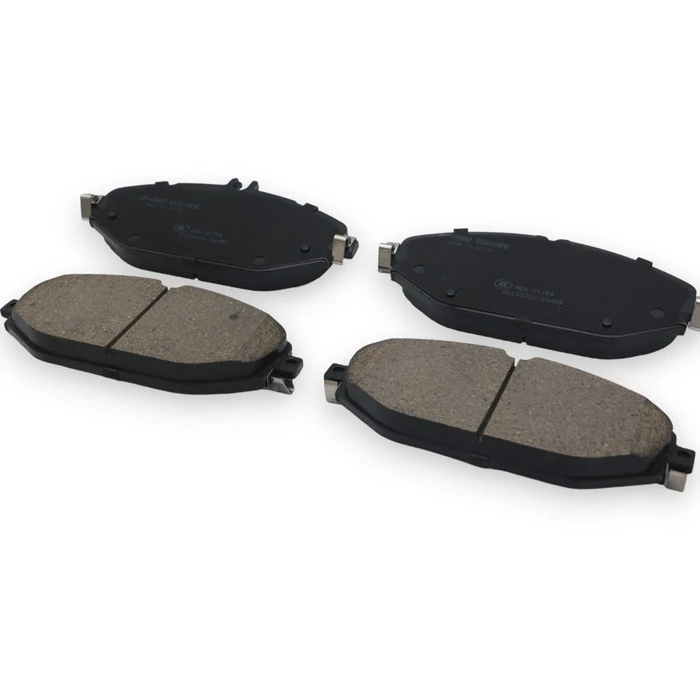
Upgrading to high - performance rotors can also help minimize vibration levels. Slotted or drilled rotors can improve the evacuation of gas and debris from the braking surface, reducing the chances of uneven braking and vibration. Car Rear Brake Pads are also an important part of the braking system, and using high - quality rear brake pads can contribute to overall braking performance and reduced vibration.
Conclusion
The vibration level when using autocross brake pads is influenced by multiple factors, including the brake pad material, brake rotor condition, installation quality, and driving style. Different types of brake pads have different vibration characteristics, and it is important to choose the right type based on your specific needs. Measuring vibration levels can be done through both objective and subjective methods.
As a supplier of autocross brake pads, we understand the importance of providing high - quality products that offer a good balance between performance and vibration levels. Our range of Slotted Ceramic Brake Pads, Organic Ceramic Brake Pads, and Car Rear Brake Pads are designed to meet the diverse needs of autocross enthusiasts.
If you are interested in learning more about our autocross brake pads or would like to discuss a potential purchase, we encourage you to reach out. Our team of experts is ready to assist you in finding the perfect brake pads for your vehicle and driving style.
References
- Bosch, "Brake System Handbook"
- Chilton, "Automotive Brake Systems Manual"
- Society of Automotive Engineers (SAE) publications on braking performance and vibration analysis.