

When it comes to the installation of transit van brake pads, one crucial factor that often gets overlooked is the recommended torque. As a trusted transit van brake pads supplier, I understand the significance of this parameter in ensuring the safety and optimal performance of the braking system. In this blog post, I will delve into the topic of the recommended torque for transit van brake pad installation, providing you with valuable insights and guidelines.
Understanding Torque in Brake Pad Installation
Torque is the measure of the force that causes an object to rotate around an axis. In the context of brake pad installation, torque is applied to the bolts or fasteners that secure the brake caliper and other components in place. Applying the correct torque is essential because it ensures that the brake components are properly tightened, preventing them from coming loose during operation. If the torque is too low, the brake caliper may not be held firmly in place, leading to uneven braking, excessive wear on the brake pads, and potentially dangerous situations. On the other hand, if the torque is too high, it can damage the bolts, threads, or other components, compromising the integrity of the braking system.
Factors Affecting the Recommended Torque
The recommended torque for transit van brake pad installation can vary depending on several factors. Here are some of the key considerations:

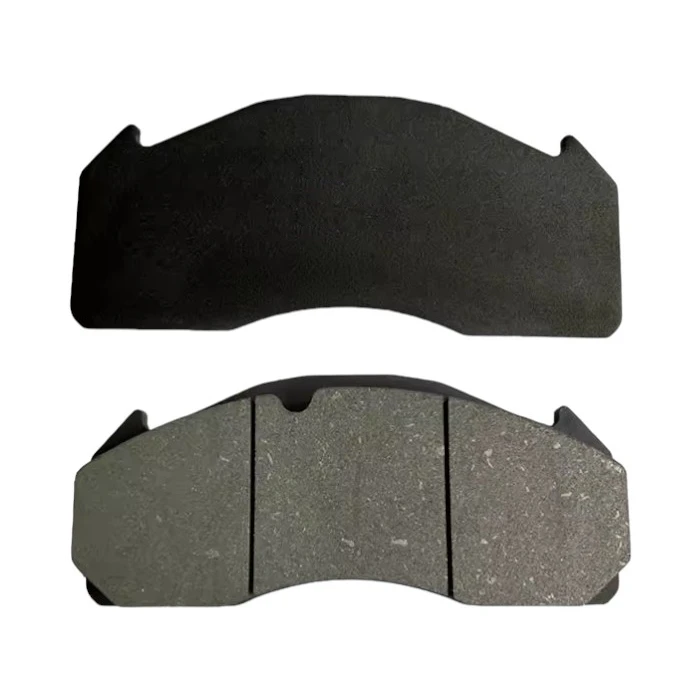
- Vehicle Make and Model: Different transit van models have different specifications for brake system components, including the size and type of bolts used. Therefore, the recommended torque values can vary significantly between makes and models. It is crucial to refer to the vehicle's service manual or consult the manufacturer's guidelines to obtain the accurate torque specifications for your specific transit van.
- Brake System Design: The design of the brake system, such as the type of caliper (floating or fixed), the number of pistons, and the material of the components, can also influence the recommended torque. For example, a high-performance brake system with larger calipers and more pistons may require higher torque values to ensure proper clamping force.
- Bolt Size and Grade: The size and grade of the bolts used in the brake system play a crucial role in determining the recommended torque. Larger bolts generally require higher torque values to achieve the same level of clamping force as smaller bolts. Additionally, the grade of the bolt, which indicates its strength and quality, can also affect the torque requirements. Higher-grade bolts can withstand higher torque values without breaking or deforming.
- Environmental Conditions: The environmental conditions in which the transit van operates can also have an impact on the recommended torque. For example, if the vehicle is frequently exposed to harsh weather conditions, such as extreme heat, cold, or moisture, the torque values may need to be adjusted to account for the potential expansion or contraction of the components.
Recommended Torque Values for Transit Van Brake Pad Installation
While the specific recommended torque values can vary depending on the factors mentioned above, here are some general guidelines for transit van brake pad installation:
- Brake Caliper Bolts: The torque for the brake caliper bolts typically ranges from 30 to 80 foot-pounds (ft-lbs). However, it is important to note that this is just a general range, and the actual torque value may be different for your specific vehicle. Always refer to the vehicle's service manual for the exact torque specification.
- Brake Rotor Bolts: The torque for the brake rotor bolts is usually lower than that of the caliper bolts, typically ranging from 10 to 20 ft-lbs. Again, consult the vehicle's service manual for the precise torque value.
- Brake Line Fittings: The torque for the brake line fittings should be carefully applied to prevent leaks. The recommended torque for these fittings is typically around 15 to 20 ft-lbs, but it is best to follow the manufacturer's instructions.
It is important to use a torque wrench when installing the brake pads to ensure that the correct torque is applied. A torque wrench allows you to measure and control the amount of force applied to the bolts, ensuring that they are tightened to the recommended specifications.
Importance of Proper Torque Application
Applying the correct torque during transit van brake pad installation is not just a matter of following the rules; it is essential for the safety and performance of the vehicle. Here are some of the key reasons why proper torque application is crucial:
- Safety: Properly tightened brake components are essential for the safe operation of the vehicle. If the brake caliper or other components are not tightened to the correct torque, they can come loose during driving, leading to reduced braking performance, uneven wear on the brake pads, and potentially dangerous situations. By applying the correct torque, you can ensure that the braking system functions as intended, providing reliable stopping power when you need it most.
- Longevity of Brake Components: Over-tightening or under-tightening the brake components can cause premature wear and damage. For example, if the bolts are over-tightened, they can stretch or break, leading to the need for costly repairs or replacements. On the other hand, if the bolts are under-tightened, the components can move or vibrate, causing excessive wear on the brake pads, rotors, and other parts. By applying the correct torque, you can extend the lifespan of the brake components and reduce the frequency of maintenance and repairs.
- Optimal Braking Performance: The recommended torque values are designed to ensure that the brake system operates at its optimal performance. When the brake components are tightened to the correct torque, the caliper can apply the appropriate clamping force to the brake pads, resulting in consistent and efficient braking. This can improve the vehicle's stopping distance, reduce brake fade, and enhance overall driving safety.
Our Transit Van Brake Pads Offerings
As a leading transit van brake pads supplier, we offer a wide range of high-quality brake pads to meet the diverse needs of our customers. Our brake pads are designed and manufactured to the highest standards, using advanced materials and technologies to ensure superior performance, durability, and safety.
- Bus Front Brake Pads: Our bus front brake pads are specifically designed for transit vans and other commercial vehicles. They are made from high-quality friction materials that provide excellent stopping power, low noise, and long service life.
- Commercial Vehicle Brake Pads: Our commercial vehicle brake pads are suitable for a variety of transit van models. They are engineered to deliver reliable performance in demanding conditions, with features such as high heat resistance, reduced dust generation, and smooth braking operation.
- Heavy Duty Ceramic Brake Pads: Our heavy-duty ceramic brake pads are ideal for transit vans that require enhanced braking performance. They offer superior stopping power, reduced noise and vibration, and extended pad life compared to traditional brake pads.
Contact Us for Procurement and Consultation
If you are in the market for high-quality transit van brake pads or have any questions about brake pad installation and torque specifications, we are here to help. Our team of experts has extensive knowledge and experience in the automotive industry and can provide you with professional advice and guidance.
We understand the importance of providing our customers with the best products and services, and we are committed to meeting your needs and exceeding your expectations. Whether you are a fleet manager, a mechanic, or an individual vehicle owner, we can offer you competitive prices, fast delivery, and exceptional customer support.
Contact us today to discuss your procurement requirements and let us help you find the perfect transit van brake pads for your vehicle. We look forward to working with you and building a long-term partnership.
References
- Vehicle Service Manuals: Consult the service manual of your transit van for the specific torque specifications and installation instructions.
- Brake System Manufacturer's Guidelines: Refer to the guidelines provided by the brake system manufacturer for detailed information on recommended torque values and best practices for brake pad installation.