

As a brake lining supplier, I often encounter customers who are confused about the differences between organic and semi-metallic brake linings. In this blog post, I'll delve into the characteristics, advantages, and disadvantages of both types to help you make an informed decision when choosing the right brake lining for your needs.
Composition and Manufacturing
Organic brake linings are primarily made from natural or synthetic fibers, such as cellulose, aramid, and glass, combined with a resin binder. These materials are compressed and heated to form a solid lining. The manufacturing process of organic brake linings is relatively simple and cost-effective, which makes them a popular choice for many vehicle manufacturers.
On the other hand, semi-metallic brake linings are composed of a mixture of metal fibers (usually steel, copper, or iron), along with some organic materials and a resin binder. The metal fibers provide enhanced strength and heat dissipation properties. The production of semi-metallic brake linings is more complex and requires specialized equipment, resulting in a higher cost compared to organic brake linings.
Friction and Braking Performance
One of the key differences between organic and semi-metallic brake linings lies in their friction characteristics. Organic brake linings offer a smooth and quiet braking experience. They have a relatively low coefficient of friction, which means they require less force to engage the brakes. This makes them ideal for everyday driving, especially in city traffic where frequent stops are necessary. However, the low friction coefficient also means that organic brake linings may not provide as much stopping power as semi-metallic brake linings, especially at high speeds or under heavy loads.
Semi-metallic brake linings, on the other hand, have a higher coefficient of friction. This allows them to generate more stopping force with less pedal effort, making them suitable for high-performance vehicles or applications that require heavy braking, such as towing or racing. The metal fibers in semi-metallic brake linings also help to dissipate heat more effectively, reducing the risk of brake fade during prolonged or aggressive braking. However, the high friction can sometimes result in a harsher and noisier braking experience, as the metal fibers can cause more vibration and noise when they come into contact with the brake rotor.
Heat Resistance and Durability
Heat resistance is an important factor to consider when choosing brake linings, as excessive heat can cause the brake lining to wear out more quickly or even fail. Organic brake linings have a lower heat resistance compared to semi-metallic brake linings. When subjected to high temperatures, the resin binder in organic brake linings can break down, leading to a loss of friction and reduced braking performance. This is known as brake fade. To prevent brake fade, it's important to avoid prolonged or aggressive braking when using organic brake linings.
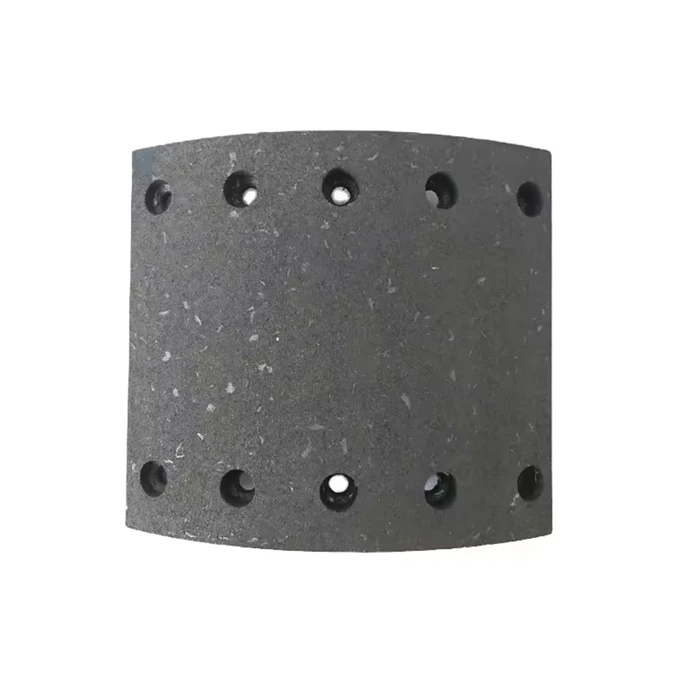

Semi-metallic brake linings, on the other hand, are better able to withstand high temperatures due to the presence of metal fibers. The metal fibers act as a heat sink, absorbing and dissipating heat away from the brake lining. This helps to maintain the integrity of the brake lining and prevent brake fade. As a result, semi-metallic brake linings generally have a longer lifespan and are more durable than organic brake linings, especially in applications that involve heavy braking or high speeds.
Wear and Tear
The wear rate of brake linings is another important consideration. Organic brake linings tend to wear out more quickly than semi-metallic brake linings. This is because the organic materials in the brake lining are softer and more prone to abrasion. However, the wear rate of organic brake linings can be reduced by driving smoothly and avoiding sudden stops. Additionally, organic brake linings are less likely to damage the brake rotor, as they are softer and less abrasive than semi-metallic brake linings.
Semi-metallic brake linings, on the other hand, have a slower wear rate due to their higher durability. However, the metal fibers in semi-metallic brake linings can be more abrasive, which means they may cause more wear on the brake rotor over time. To minimize rotor wear, it's important to use high-quality semi-metallic brake linings and to have the brake system inspected regularly.
Environmental Impact
In recent years, there has been a growing concern about the environmental impact of brake linings. Organic brake linings are generally considered to be more environmentally friendly than semi-metallic brake linings. This is because the organic materials used in organic brake linings are biodegradable and do not contain heavy metals or other harmful substances. Additionally, the manufacturing process of organic brake linings produces less waste and pollution compared to the manufacturing process of semi-metallic brake linings.
Semi-metallic brake linings, on the other hand, contain metal fibers, which can be a source of environmental pollution if not properly disposed of. When semi-metallic brake linings wear out, the metal particles can be released into the environment, where they can contaminate soil and water. To minimize the environmental impact of semi-metallic brake linings, it's important to recycle them properly at the end of their lifespan.
Applications
The choice between organic and semi-metallic brake linings depends on the specific application and the needs of the vehicle owner. Organic brake linings are commonly used in everyday passenger vehicles, such as sedans, hatchbacks, and SUVs. They are also suitable for light-duty trucks and vans. If you're looking for a smooth, quiet, and cost-effective brake lining for your daily driver, organic brake linings are a good choice. You can find a wide selection of Front Brake Lining and Brake Lining Set options on our website.
Semi-metallic brake linings are typically used in high-performance vehicles, such as sports cars, race cars, and heavy-duty trucks. They are also suitable for vehicles that are used for towing or other heavy-duty applications. If you need a brake lining that can provide maximum stopping power and durability, semi-metallic brake linings are the way to go. We also offer a range of Trailer Brake Lining options for your towing needs.
Conclusion
In conclusion, both organic and semi-metallic brake linings have their own unique advantages and disadvantages. Organic brake linings offer a smooth, quiet, and cost-effective braking solution for everyday driving, while semi-metallic brake linings provide more stopping power, better heat resistance, and greater durability for high-performance and heavy-duty applications. When choosing the right brake lining for your vehicle, it's important to consider your driving style, the type of vehicle you own, and the specific requirements of your application.
If you're still unsure which type of brake lining is right for you, or if you have any other questions about our brake lining products, please don't hesitate to contact us. Our team of experts is always available to help you make the best decision for your needs. We look forward to working with you and providing you with the highest quality brake linings on the market.
References
- SAE International. (n.d.). Brake Lining Materials.
- Brake & Front End Magazine. (Various issues). Articles on brake lining technology and performance.