

When it comes to the braking system of a car, brake shoes play a crucial role in ensuring safe and efficient stopping power. In a typical car, there are both front and rear brake shoes, each with distinct characteristics and functions. As a supplier of car rear brake shoes, I have gained in - depth knowledge about these components and their differences from front brake shoes.

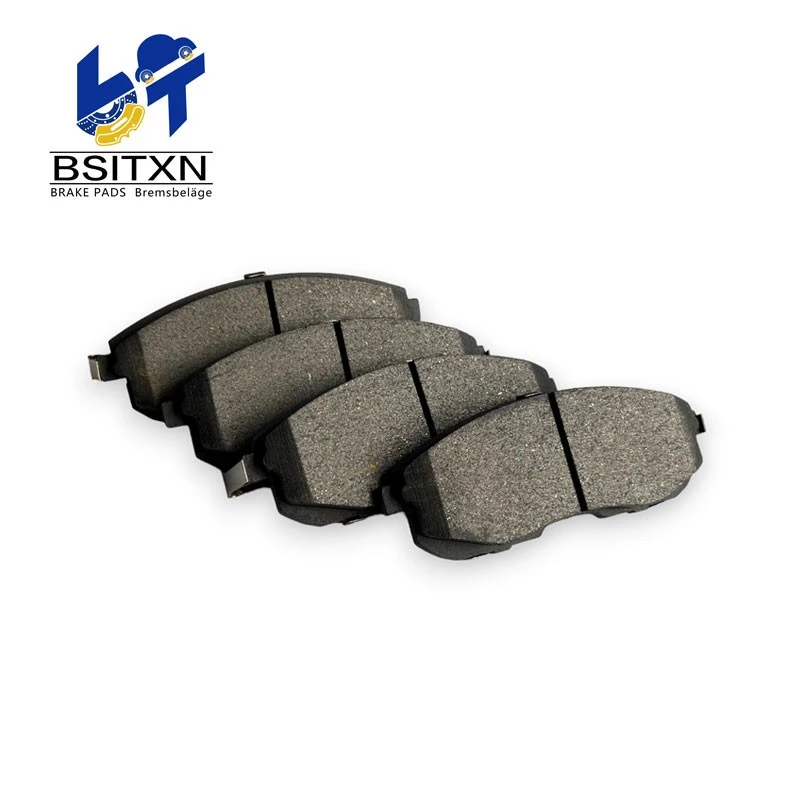
Construction and Design
The construction of front and rear brake shoes varies significantly. Front brake shoes are usually larger in size compared to rear ones. This is because, during braking, the weight of the car shifts forward. The front wheels bear a greater proportion of the vehicle's weight, often around 70 - 80% of the total weight under hard braking conditions. To handle this increased load, front brake shoes need to have a larger surface area for friction. A larger surface area allows for more effective heat dissipation and better braking force distribution.
On the other hand, rear brake shoes are smaller. Since they do not have to deal with as much weight transfer, their design can be more compact. However, this does not mean that rear brake shoes are less important. They contribute to the overall stability of the braking system. A well - functioning rear brake system helps prevent the car from spinning out during sudden stops.
Friction Materials
The friction materials used in front and rear brake shoes also differ. Front brake shoes typically use a more aggressive friction material. This is because they need to generate a large amount of braking force quickly. The aggressive friction material can grip the brake drum more effectively, but it also tends to wear out faster. High - performance front brake shoes may use materials like semi - metallic compounds, which offer excellent stopping power but can be noisy and generate more dust.
Rear brake shoes, in contrast, use a less aggressive friction material. The goal is to provide a smooth and controlled braking force. The friction material for rear brake shoes is designed to be more durable, as they do not experience the same level of stress as the front ones. Organic friction materials are commonly used in rear brake shoes. These materials are quieter, produce less dust, and have a longer lifespan.
Braking Force Distribution
One of the most significant differences between front and rear brake shoes is the distribution of braking force. As mentioned earlier, the front wheels handle the majority of the braking force due to weight transfer. A typical braking force distribution in a car is around 60 - 80% to the front wheels and 20 - 40% to the rear wheels. This distribution is carefully calibrated by car manufacturers to ensure optimal braking performance and vehicle stability.
The front brake shoes are designed to generate a large amount of force in a short period. They are responsible for quickly decelerating the vehicle. Rear brake shoes work in conjunction with the front ones to provide additional braking force and maintain the stability of the car. If the rear brakes were to generate too much force relative to the front brakes, the car could skid or fishtail during braking.
Heat Dissipation
Heat dissipation is another area where front and rear brake shoes differ. Front brake shoes generate a lot of heat during braking because of the high - intensity friction and the large amount of weight they handle. To prevent overheating, front brake shoes are often designed with special heat - dissipation features. Some front brake shoes have ventilation channels or fins that help dissipate heat more effectively.
Rear brake shoes, while also generating heat, do not produce as much as the front ones. Their heat - dissipation requirements are relatively lower. However, proper heat management is still essential for rear brake shoes to ensure their long - term performance.
Wear and Tear
The rate of wear and tear is different for front and rear brake shoes. Front brake shoes tend to wear out faster than rear brake shoes. This is mainly due to the higher braking force they generate and the more aggressive friction material they use. As a result, front brake shoes usually need to be replaced more frequently.
Rear brake shoes, with their less aggressive friction material and lower stress levels, have a longer lifespan. However, it is still important to regularly inspect rear brake shoes for wear. Worn - out rear brake shoes can affect the overall braking performance and stability of the car.
Applications in Different Types of Vehicles
The differences between front and rear brake shoes also vary depending on the type of vehicle. In passenger cars, the front - to - rear braking force distribution is carefully balanced to provide a comfortable and safe driving experience. Passenger Car Brake Pads are designed to meet the specific needs of these vehicles, with front brake pads focusing on high - performance braking and rear brake pads on stability.
In electric vehicles, the braking system has some unique characteristics. Electric vehicles often use regenerative braking, which recovers energy during braking. This reduces the reliance on traditional friction brakes, including front and rear brake shoes. However, the front and rear brake shoes in electric vehicles still play a crucial role in emergency stops. Electric Vehicle Brake Pads are designed to work in conjunction with the regenerative braking system, with front brake pads handling the majority of the hard - stop braking force.
For high - performance cars, both front and rear brake shoes are designed to provide maximum braking power. Sintered Brake Pads are sometimes used in high - performance applications for both front and rear brakes. These pads offer excellent heat resistance and high - friction performance, but they can be more expensive and may require more maintenance.
Our Offer as a Rear Brake Shoes Supplier
As a supplier of car rear brake shoes, we understand the importance of providing high - quality products. Our rear brake shoes are designed with the latest technology and use premium friction materials. We ensure that our products meet or exceed industry standards.
Our rear brake shoes are engineered to provide a smooth and stable braking experience. They are durable and have a long lifespan, reducing the need for frequent replacements. We also offer a wide range of rear brake shoes to fit different makes and models of cars.
If you are in the market for car rear brake shoes, we invite you to contact us for procurement and further discussions. We are committed to providing excellent customer service and will work with you to meet your specific requirements. Whether you are a car manufacturer, a repair shop, or an individual looking for replacement rear brake shoes, we have the products and expertise to serve you.
References
- Bosch Automotive Handbook. Robert Bosch GmbH, 2014.
- Society of Automotive Engineers (SAE) standards on braking systems.
- Chilton's Automotive Repair Manuals, various editions.