

When it comes to the braking system of a vehicle, two components often come into the spotlight: brake shoes and brake pads. As a brake shoes supplier, I've witnessed firsthand the confusion that customers sometimes have about these two crucial parts. In this blog post, I'll delve into the differences between brake shoes and brake pads, shedding light on their functions, structures, and applications.
Structure and Design
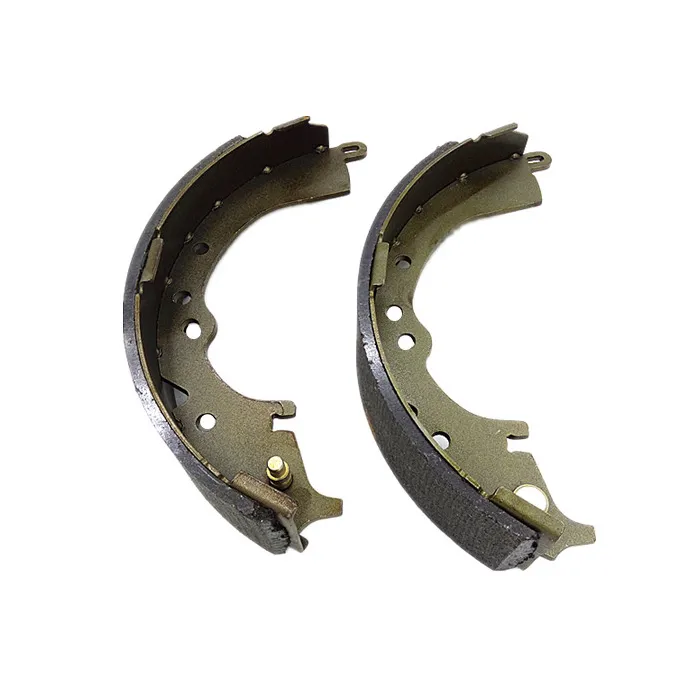
Let's start by examining the basic structures of brake shoes and brake pads. Brake shoes are curved components that are typically used in drum brake systems. They are mounted inside a brake drum, which is a circular housing attached to the wheel. When the brakes are applied, the brake shoes are forced outward against the inner surface of the drum, creating friction and slowing down the rotation of the wheel.
On the other hand, brake pads are flat, rectangular components used in disc brake systems. They are located on either side of a brake disc, also known as a rotor, which is mounted directly to the wheel hub. When the brakes are engaged, the brake caliper squeezes the brake pads against the rotor, generating friction and bringing the vehicle to a stop.
The design of brake shoes and brake pads is tailored to their respective braking systems. Brake shoes are designed to fit the curvature of the brake drum, allowing for maximum contact area and efficient braking performance. They are often made up of a metal backing plate with a friction material bonded to the surface. The friction material is responsible for generating the necessary friction to slow down the vehicle.
Brake pads, on the other hand, are designed to be flat and rigid, ensuring even pressure distribution across the surface of the rotor. They also consist of a metal backing plate and a friction material, but the friction material is typically thicker and more robust than that of brake shoes. This is because disc brakes generate more heat and require a higher level of durability.
Braking Mechanism
The braking mechanism of brake shoes and brake pads also differs significantly. In a drum brake system, the brake shoes are actuated by a wheel cylinder. When the driver presses the brake pedal, hydraulic pressure is applied to the wheel cylinder, causing the pistons inside the cylinder to push the brake shoes outward against the drum. This creates friction between the brake shoes and the drum, which slows down the rotation of the wheel.
In a disc brake system, the brake pads are actuated by a brake caliper. When the brake pedal is depressed, hydraulic pressure is sent to the caliper, which contains one or more pistons. The pistons then push the brake pads against the rotor, generating friction and stopping the vehicle.
One of the key differences between the two braking mechanisms is the way they dissipate heat. Drum brakes tend to trap heat inside the drum, which can lead to brake fade and reduced braking performance over time. Disc brakes, on the other hand, are more efficient at dissipating heat because the rotor is exposed to the air. This allows for better cooling and more consistent braking performance, especially during heavy or prolonged braking.
Performance and Efficiency
When it comes to performance and efficiency, both brake shoes and brake pads have their own advantages and disadvantages. Drum brakes, which use brake shoes, are generally less expensive to manufacture and maintain. They are also known for their smooth and quiet operation, making them a popular choice for older vehicles and some light-duty applications.
However, drum brakes have some limitations when it comes to performance. As mentioned earlier, they are less efficient at dissipating heat, which can lead to brake fade and reduced braking power. They also tend to have a slower response time compared to disc brakes, which means it may take longer for the vehicle to come to a stop.
Disc brakes, which use brake pads, offer superior performance and efficiency compared to drum brakes. They are more effective at dissipating heat, which helps to prevent brake fade and maintain consistent braking performance. They also have a faster response time, allowing for quicker stops and better control of the vehicle.
In addition, disc brakes are generally more reliable and require less maintenance than drum brakes. The exposed design of the rotor and caliper makes it easier to inspect and replace the brake pads, and there is less risk of corrosion and other issues that can affect the performance of drum brakes.
Applications
The choice between brake shoes and brake pads often depends on the specific application of the vehicle. Drum brakes are commonly used in the rear wheels of many passenger cars, light trucks, and SUVs. They are also used in some heavy-duty applications, such as buses and trailers, where their lower cost and smooth operation are advantageous.

Disc brakes, on the other hand, are more commonly used in the front wheels of vehicles, where the majority of the braking force is required. They are also increasingly being used in the rear wheels of modern vehicles, especially high-performance and luxury cars, to provide better overall braking performance.
As a brake shoes supplier, I offer a wide range of brake shoes for different applications. You can explore our Automobile Brake Shoes, Handbrake Brake Shoes, and Rear Drum Brake Shoe to find the right product for your needs.
Conclusion
In conclusion, brake shoes and brake pads are two essential components of a vehicle's braking system, each with its own unique characteristics and applications. Brake shoes are used in drum brake systems and offer a cost-effective and smooth braking solution, while brake pads are used in disc brake systems and provide superior performance and efficiency.
Whether you're a vehicle manufacturer, a repair shop, or an individual looking to replace your brake components, it's important to understand the differences between brake shoes and brake pads to make an informed decision. As a brake shoes supplier, I'm committed to providing high-quality products and expert advice to help you choose the right braking solution for your vehicle.
If you're interested in purchasing brake shoes for your vehicles or have any questions about our products, please don't hesitate to contact me. I'm here to assist you with your procurement needs and ensure that you get the best braking products for your applications.
References
- Bosch Automotive Handbook, 7th Edition
- Chilton's Automotive Repair Manuals
- SAE International Technical Papers