

In the realm of automotive safety and performance, brake pads play a pivotal role. As a dedicated supplier of organic disc brake pads, I've witnessed firsthand the importance of understanding the braking efficiency of these components. In this blog post, I'll delve into the concept of braking efficiency, explore how organic disc brake pads stack up in this regard, and offer insights into why they might be the right choice for your vehicle.
Understanding Braking Efficiency
Braking efficiency refers to the ability of a braking system to convert the kinetic energy of a moving vehicle into heat energy through friction, thereby slowing down or stopping the vehicle. It is a crucial parameter that directly impacts the safety and performance of a vehicle. Several factors contribute to braking efficiency, including the design of the braking system, the quality of the brake pads, and the driving conditions.
One of the key metrics used to measure braking efficiency is the coefficient of friction (COF). The COF represents the ratio of the frictional force between the brake pads and the brake discs to the normal force pressing the pads against the discs. A higher COF indicates a greater frictional force, which translates to more effective braking. However, it's important to note that the COF can vary depending on factors such as temperature, speed, and the condition of the brake pads and discs.
The Science Behind Organic Disc Brake Pads
Organic disc brake pads are made from a mixture of organic materials, such as rubber, resin, and fibers, combined with various fillers and additives. These materials are carefully selected and formulated to provide a balance of performance, durability, and noise reduction. Unlike other types of brake pads, such as metallic or ceramic pads, organic pads are designed to be more gentle on the brake discs, reducing wear and tear and extending their lifespan.
One of the primary advantages of organic disc brake pads is their consistent coefficient of friction across a wide range of temperatures. This means that they can provide reliable braking performance in both normal and extreme driving conditions. Additionally, organic pads tend to produce less dust and noise compared to metallic pads, making them a popular choice for daily drivers and those who value a quiet and clean driving experience.
Factors Affecting the Braking Efficiency of Organic Disc Brake Pads
While organic disc brake pads offer many benefits, their braking efficiency can be influenced by several factors. Understanding these factors can help you make informed decisions when selecting brake pads for your vehicle and ensure optimal performance.
Temperature
Temperature is one of the most significant factors affecting the braking efficiency of organic disc brake pads. As the temperature of the brake pads increases, the COF can change, potentially leading to reduced braking performance. At low temperatures, organic pads may exhibit a lower COF, resulting in longer stopping distances. On the other hand, at high temperatures, the organic materials in the pads can start to break down, causing the COF to decrease and the pads to fade.
To mitigate the effects of temperature on braking efficiency, it's important to choose organic disc brake pads that are designed to withstand a wide range of temperatures. Some manufacturers use advanced materials and manufacturing processes to improve the heat resistance of their pads, ensuring consistent performance even under extreme conditions.
Speed
The speed at which a vehicle is traveling can also impact the braking efficiency of organic disc brake pads. At higher speeds, the kinetic energy of the vehicle is greater, requiring more force to slow down or stop. Organic pads may struggle to provide sufficient braking force at very high speeds, resulting in longer stopping distances.
To address this issue, some organic disc brake pads are designed with a higher COF at higher speeds. These pads are typically made with specialized materials and formulations that can generate more frictional force under high-speed conditions, improving braking performance and safety.
Wear and Tear
Over time, organic disc brake pads will naturally wear down as they are used to slow down and stop the vehicle. As the pads wear, their thickness decreases, which can affect their braking efficiency. Thinner pads may have a lower COF, resulting in reduced braking performance and longer stopping distances.
To ensure optimal braking efficiency, it's important to regularly inspect your brake pads and replace them when they reach the recommended thickness. Most manufacturers provide guidelines on when to replace brake pads based on the vehicle's make and model. Additionally, proper maintenance, such as cleaning the brake components and lubricating the caliper pins, can help extend the lifespan of your brake pads and ensure consistent performance.
Comparing Organic Disc Brake Pads with Other Types
When considering the braking efficiency of organic disc brake pads, it's helpful to compare them with other types of brake pads available on the market. Here's a brief overview of how organic pads stack up against metallic and ceramic pads:
Metallic Brake Pads
Metallic brake pads are made from a mixture of metal fibers, such as steel, copper, and iron, combined with various fillers and additives. These pads are known for their high coefficient of friction and excellent heat dissipation properties, making them a popular choice for high-performance vehicles and heavy-duty applications.
However, metallic pads also have some drawbacks. They tend to produce more dust and noise compared to organic pads, and they can be more aggressive on the brake discs, causing faster wear and tear. Additionally, metallic pads may not perform as well in cold temperatures, as the metal fibers can become brittle and lose their effectiveness.
For more information on non-asbestos brake pads, which are a type of metallic brake pad, you can visit Non Asbestos Brake Pads.

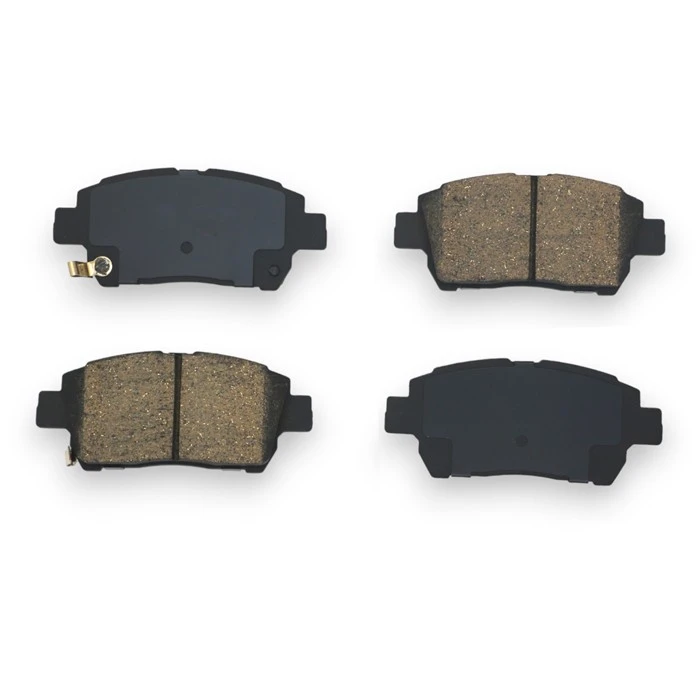
Ceramic Brake Pads
Ceramic brake pads are made from a mixture of ceramic fibers, fillers, and binders. These pads are known for their low dust production, quiet operation, and excellent durability. They also have a high coefficient of friction and can provide consistent braking performance across a wide range of temperatures.
However, ceramic pads are typically more expensive than organic and metallic pads, and they may not be suitable for high-performance applications. Additionally, ceramic pads can be more difficult to bed in, requiring a specific break-in procedure to ensure optimal performance.
If you're interested in learning more about carbon fiber brake pads, which are a type of ceramic brake pad, you can visit Carbon Fiber Brake Pads. For information on auto ceramic brake pads, you can visit Auto Ceramic Brake Pads.
Why Choose Our Organic Disc Brake Pads
As a supplier of organic disc brake pads, we take pride in offering high-quality products that are designed to meet the needs of our customers. Here are some reasons why you should consider choosing our organic disc brake pads:
Superior Braking Performance
Our organic disc brake pads are engineered to provide consistent and reliable braking performance across a wide range of temperatures and driving conditions. They have a high coefficient of friction, which translates to shorter stopping distances and improved safety.
Low Dust and Noise
We understand that a clean and quiet driving experience is important to our customers. That's why our organic disc brake pads are designed to produce less dust and noise compared to other types of brake pads. This not only keeps your wheels looking clean but also reduces the amount of noise and vibration in the cabin.
Durability and Longevity
Our organic disc brake pads are made from high-quality materials and are manufactured using advanced processes to ensure durability and longevity. They are designed to withstand the rigors of daily driving and provide reliable performance for thousands of miles.
Compatibility
We offer a wide range of organic disc brake pads that are compatible with a variety of vehicle makes and models. Whether you drive a sedan, SUV, truck, or sports car, we have the right brake pads for your vehicle.
Contact Us for Procurement
If you're interested in learning more about our organic disc brake pads or would like to place an order, we encourage you to contact us. Our team of experts is available to answer any questions you may have and provide you with the information you need to make an informed decision. We look forward to working with you and helping you find the perfect brake pads for your vehicle.
References
- Bosch, "Brake Pad Technology: Understanding the Different Types of Brake Pads," Bosch Automotive Aftermarket, accessed [date].
- Wagner Brake, "The Science of Braking: How Brake Pads Work," Wagner Brake, accessed [date].
- NAPA Auto Parts, "Brake Pad Selection Guide," NAPA Auto Parts, accessed [date].