

Cleaning brake shoes is a crucial maintenance task that ensures optimal performance and safety of vehicles. As a brake shoes supplier, I understand the importance of proper cleaning procedures to extend the lifespan of brake shoes and maintain their efficiency. In this blog post, I will share the best ways to clean brake shoes based on industry knowledge and experience.
Why Clean Brake Shoes?
Brake shoes are an integral part of a vehicle's braking system. Over time, they accumulate dirt, dust, grease, and brake dust, which can affect their performance. Brake dust, in particular, is a by - product of the friction between the brake shoes and the brake drum or rotor. It contains small metal particles that can cause abrasion and reduce the braking efficiency if not removed regularly.
Cleaning brake shoes helps to:
- Improve braking performance: By removing contaminants, the brake shoes can make better contact with the brake drum or rotor, resulting in more effective braking.
- Extend the lifespan of brake shoes: Reducing the amount of abrasive particles on the brake shoes can prevent premature wear and tear.
- Enhance safety: Well - cleaned brake shoes are less likely to fail suddenly, providing a more reliable braking system.
Tools and Materials Needed
Before you start cleaning brake shoes, gather the following tools and materials:
- Safety goggles and gloves: Brake dust can be harmful if inhaled or comes into contact with your skin.
- Brake cleaner: A specialized cleaner designed to dissolve grease, oil, and brake dust.
- Wire brush: To remove stubborn dirt and debris.
- Compressed air: To blow out loose particles.
- Rags or paper towels: For wiping the brake shoes.
Step - by - Step Cleaning Process
Step 1: Safety First
Park the vehicle on a flat, stable surface and engage the parking brake. If you are working on a car, place wheel chocks behind the wheels to prevent the vehicle from rolling. Wear safety goggles and gloves to protect yourself from brake dust and cleaner.
Step 2: Remove the Wheels
Use a lug wrench to loosen the lug nuts on the wheel. Jack up the vehicle and remove the wheel to access the brake assembly. Be careful when handling the wheel as it can be heavy.
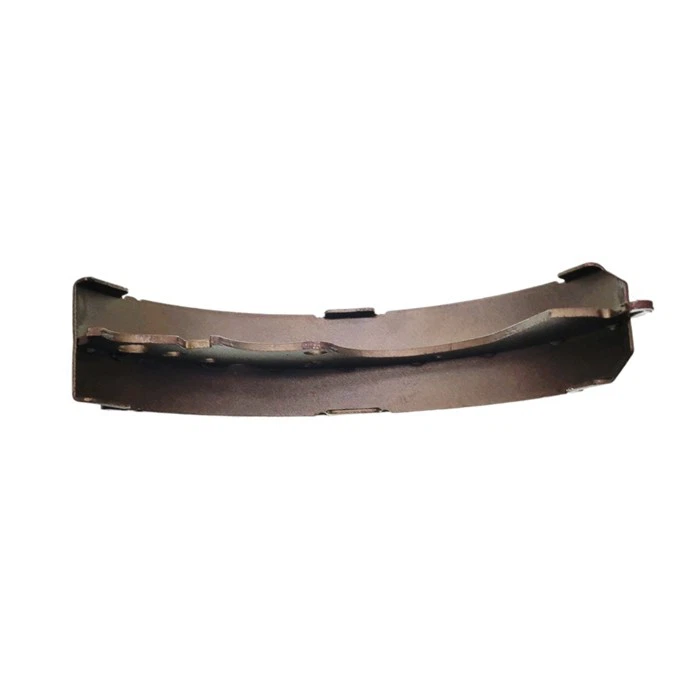
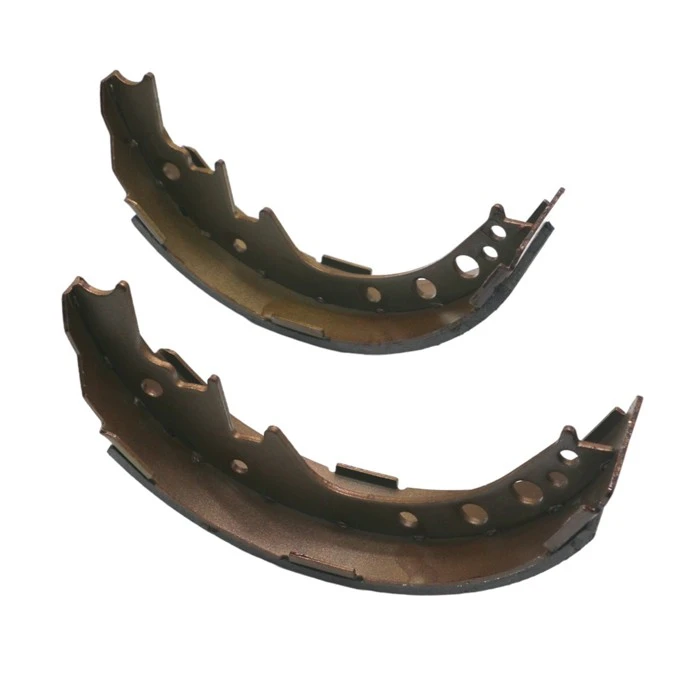
Step 3: Inspect the Brake Shoes
Before cleaning, take a close look at the brake shoes. Check for signs of excessive wear, cracks, or damage. If the brake shoes are worn beyond the recommended limit, they should be replaced instead of cleaned.
Step 4: Clean the Brake Shoes
- Blow out loose particles: Use compressed air to blow out any loose dirt, dust, and debris from the brake shoes and the brake assembly. Start from the top and work your way down, making sure to cover all areas.
- Apply brake cleaner: Spray the brake cleaner generously on the brake shoes. The cleaner will dissolve grease, oil, and brake dust. Let the cleaner sit for a few minutes to allow it to work.
- Scrub with a wire brush: Use a wire brush to scrub the brake shoes gently. Pay special attention to the areas where dirt and debris are most likely to accumulate, such as the edges and the contact surface with the brake drum.
- Rinse and dry: If possible, rinse the brake shoes with clean water to remove the dissolved dirt and cleaner. Then, dry them thoroughly with a rag or paper towel. Make sure the brake shoes are completely dry before reassembling the brake system.
Step 5: Clean the Brake Drum or Rotor
While you have the wheel off, it's a good idea to clean the brake drum or rotor as well. Use the same brake cleaner and wire brush to remove any dirt and debris from the surface. This will ensure better contact between the brake shoes and the drum or rotor.
Step 6: Reassemble the Brake System
Once the brake shoes and the brake drum or rotor are clean and dry, reassemble the brake system. Put the wheel back on and tighten the lug nuts securely. Lower the vehicle and check the tightness of the lug nuts again.
Special Considerations for Different Types of Brake Shoes
Freight Car Brake Shoes
Freight car brake shoes are designed to handle heavy loads and high - stress braking situations. They are often larger and more robust than regular brake shoes. When cleaning freight car brake shoes, you may need a more powerful compressed air source and a larger wire brush. You can find more information about Freight Car Brake Shoes on our website.
Heavy Duty Truck Brake Shoes
Heavy duty truck brake shoes are exposed to extreme conditions, including long - distance driving, heavy loads, and frequent braking. Cleaning these brake shoes requires extra care. Make sure to clean all the small crevices and channels in the brake shoes to prevent the buildup of dirt and debris. For more details on Heavy Duty Truck Brake Shoes, visit our website.
Trailer Drum Brake Shoes
Trailer drum brake shoes are commonly used on trailers. They may not be used as frequently as vehicle brake shoes, but they still need regular cleaning. When cleaning trailer drum brake shoes, pay attention to the adjustment mechanism. Make sure it is clean and functioning properly. You can learn more about Trailer Drum Brake Shoes on our website.
Frequency of Cleaning
The frequency of cleaning brake shoes depends on several factors, such as the type of vehicle, driving conditions, and usage. As a general rule, it is recommended to clean the brake shoes every 12,000 - 15,000 miles or at least once a year. However, if you drive in harsh conditions, such as in heavy traffic, on dusty roads, or in mountainous areas, you may need to clean the brake shoes more often.
Conclusion
Cleaning brake shoes is a relatively simple yet important maintenance task that can significantly improve the performance and safety of your vehicle. By following the steps outlined in this blog post and using the right tools and materials, you can keep your brake shoes in top condition.
If you are in the market for high - quality brake shoes, we are a leading supplier with a wide range of products to meet your needs. Whether you need Freight Car Brake Shoes, Heavy Duty Truck Brake Shoes, or Trailer Drum Brake Shoes, we have you covered. Contact us to discuss your requirements and start a procurement negotiation.
References
- Automotive Brake Systems Handbook
- Brake Shoe Manufacturer's Manuals