

When it comes to vehicle safety, the braking system stands as one of the most critical components. Among its parts, the front brake lining plays a vital role. As a front brake lining supplier, I've witnessed firsthand the importance of these seemingly simple components. In this blog, I'll delve into what happens if the front brake lining fails completely, exploring the mechanical, safety, and practical implications.
The Function of Front Brake Linings
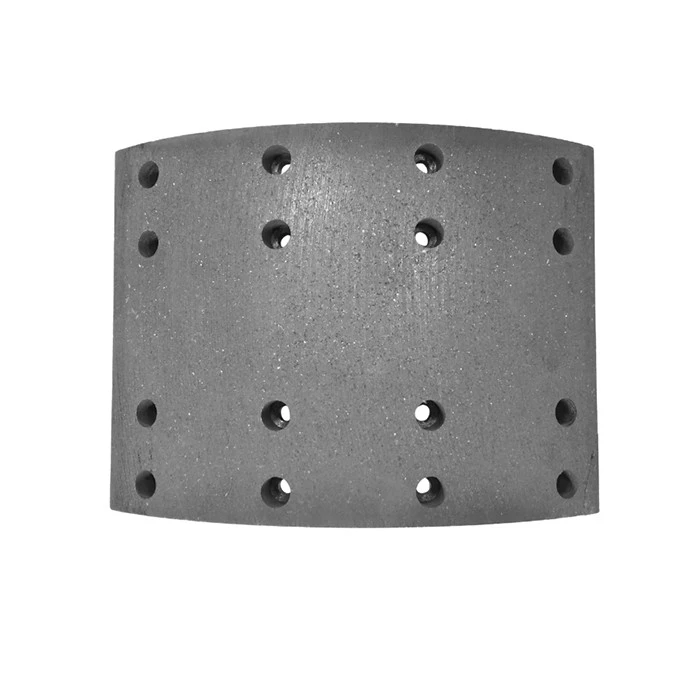
Before we discuss the consequences of front brake lining failure, it's essential to understand their function. In a vehicle's braking system, the front brakes typically handle a larger portion - about 70% - of the braking force. This is due to the weight transfer that occurs during braking, shifting the vehicle's center of gravity forward. The front brake linings are the friction material that comes in contact with the brake disc or drum when you press the brake pedal. This friction converts the kinetic energy of the moving vehicle into heat, slow down and eventually stop the vehicle. Brake Lining Set is an essential kit containing these crucial components for a proper braking setup.
Immediate Consequences of Complete Front Brake Lining Failure
Reduced Braking Power
The most obvious and immediate consequence of complete front brake lining failure is a significant reduction in braking power. With the front brake linings unable to generate friction, the vehicle's ability to decelerate rapidly is severely compromised. The remaining rear brakes alone lack the capacity to handle the full braking load effectively. As a result, the stopping distance increases dramatically. For example, on a dry road at a speed of 60 mph, a vehicle with functioning brakes might stop within 120 - 150 feet. However, with failed front brake linings, this distance could double or even triple, increasing the risk of collisions.

Unstable Braking and Handling
In addition to reduced stopping power, complete front brake lining failure can lead to unstable braking and handling. Since the front and rear brakes are designed to work in harmony, the loss of front braking force disrupts this balance. When you apply the brakes, the rear brakes may lock up more easily, especially during hard braking. This can cause the rear end of the vehicle to skid, making the vehicle difficult to control. Additionally, the lack of front braking force can make the steering feel unresponsive, as the normal forces acting on the front wheels during braking, which help with steering stability, are absent.
Overheating of Rear Brakes
Another consequence is the overheating of the rear brakes. With the front brakes out of action, the rear brakes are forced to do more work. This increased workload generates excessive heat, which can cause the brake pads on the rear wheels to wear out faster and even lead to brake fade. Brake fade occurs when the brake pads lose their effectiveness due to overheating, further reducing the vehicle's ability to stop. If this situation persists, the rear brake linings may also fail, leaving the vehicle with virtually no braking ability.
Long - Term Implications of Front Brake Lining Failure
Damage to Other Braking Components
A complete failure of the front brake linings can also cause damage to other components of the braking system. Without the friction material of the brake linings, the brake calipers or wheel cylinders may come into direct contact with the brake discs or drums. This metal - on - metal contact can cause scoring and damage to the discs or drums, which are much more expensive to replace than the brake linings. Moreover, the increased stress on the rear brakes can lead to premature wear and tear on the brake lines, hoses, and other related hardware.
Increased Maintenance Costs
The combination of reduced braking performance, unstable handling, and damage to other components means that the vehicle will require more frequent and costly maintenance. Repairing or replacing damaged brake discs or drums, along with the rear brake components, can be a significant financial burden. Not to mention the cost of labor for these repairs. It's always more cost - effective to maintain and replace the front brake linings in a timely manner rather than dealing with the aftermath of a complete failure. Front Brake Lining replacement is a relatively straightforward and inexpensive procedure when done regularly.
Safety Risks to Passengers and Other Road Users
Perhaps the most serious long - term implication is the ongoing safety risk to the vehicle's passengers and other road users. A vehicle with failed front brake linings is a ticking time bomb on the road. Even if the driver manages to avoid immediate collisions, the reduced braking ability makes it more difficult to react to unexpected situations such as sudden stops or pedestrians crossing the road. The risk of a serious accident increases exponentially, potentially resulting in injuries or even fatalities.
Special Considerations for Heavy Trucks
Heavy trucks operate under much more demanding conditions compared to regular passenger vehicles. The Heavy Truck Brake Linings are designed to handle the large weights and high - speed requirements of these vehicles. In the event of complete front brake lining failure in a heavy truck, the consequences are even more severe.
Massive Inertia and Longer Stopping Distances
Heavy trucks have a much greater mass, which means they have a higher amount of inertia. Stopping a heavy truck requires a tremendous amount of braking force. When the front brake linings fail, the rear brakes alone are insufficient to bring the heavy truck to a stop in a reasonable distance. For example, a fully loaded semi - truck traveling at 60 mph may require over 500 feet to stop under normal conditions. With failed front brake linings, this distance could exceed 1000 feet, making it extremely dangerous on congested roads or highways.
Increased Risk of Jackknifing
In addition to the long stopping distances, heavy trucks with failed front brake linings are at a high risk of jackknifing. When the front brakes fail, the trailer can push the tractor unit forward, causing the truck to fold in half like a jackknife. Jackknifing is a very dangerous situation that can block multiple lanes of traffic and cause multiple - vehicle collisions.
How to Avoid Front Brake Lining Failure
As a front brake lining supplier, I recommend regular maintenance and inspection of the braking system. Here are some tips to prevent front brake lining failure:
- Regular Inspections: Have your vehicle's brakes inspected at least once a year or according to the manufacturer's recommendations. A professional mechanic can check the thickness of the brake linings and identify any signs of wear or damage early on.
- Replace Brake Linings in a Timely Manner: When the brake linings reach the minimum thickness, they should be replaced immediately. Most vehicles have a wear indicator that makes a squealing noise when the brake linings are worn down, serving as a warning sign.
- Use High - Quality Brake Linings: Investing in high - quality front brake linings can ensure better performance and longer lifespan. As a supplier, I can attest to the fact that premium brake linings are made from better materials and are more resistant to wear and heat.
Contact for Purchase and Negotiation
If you're in the market for front brake linings, whether for passenger vehicles or heavy trucks, I'm here to assist you. We offer a wide range of brake lining products, including Brake Lining Set, Front Brake Lining, and Heavy Truck Brake Linings. Our products are known for their quality, reliability, and affordability. We're eager to discuss your specific needs and provide you with the best solutions. Don't hesitate to reach out to us for more information and to start the purchasing process.
References
- "Automotive Brake Systems" - SAE International Handbook
- "Heavy Vehicle Braking and Safety" - Research Report by the Federal Highway Administration
- "Brake Lining Design and Performance" - Journal of Automotive Engineering