

Hey there! I'm a supplier of trailer brake linings, and I've been in this industry for quite some time. Over the years, I've learned a thing or two about what factors can influence the friction coefficient of trailer brake linings. So, I thought I'd share my knowledge with you in this blog post.
First off, let's talk about what the friction coefficient is. Simply put, it's a measure of how well two surfaces grip each other when they're in contact. In the case of trailer brake linings, the friction coefficient determines how effectively the brakes can slow down or stop the trailer. A higher friction coefficient means better braking performance, but it also means more wear and tear on the brake linings.
Now, let's dive into the factors that can influence the friction coefficient of trailer brake linings.
Material Composition
The material used to make the brake lining is one of the most important factors affecting its friction coefficient. Brake linings can be made from a variety of materials, including organic, semi-metallic, and ceramic compounds.
- Organic Brake Linings: These are made from a mixture of fibers, resins, and fillers. They're known for being quiet, smooth, and relatively inexpensive. However, they tend to have a lower friction coefficient compared to other types of brake linings, especially at high temperatures. Organic brake linings are often used in light-duty applications where braking performance isn't as critical.
- Semi-Metallic Brake Linings: These contain a mixture of metal fibers (such as steel, copper, or iron) and organic materials. They offer better heat dissipation and a higher friction coefficient than organic brake linings, making them suitable for medium to heavy-duty applications. However, they can be noisier and more abrasive, which can lead to faster wear on the brake rotors.
- Ceramic Brake Linings: These are made from ceramic fibers, fillers, and a small amount of metal. They're known for their excellent braking performance, low noise, and long lifespan. Ceramic brake linings also produce less dust compared to other types of brake linings. However, they're generally more expensive than organic and semi-metallic brake linings.
As a trailer brake lining supplier, we offer a range of brake linings made from different materials to meet the specific needs of our customers. You can check out our Trailer Brake Lining page to see our full selection.
Temperature
Temperature plays a crucial role in the friction coefficient of brake linings. As the temperature increases, the friction coefficient of the brake lining can change significantly.
- Cold Temperatures: At low temperatures, the friction coefficient of brake linings may be lower than normal. This can result in reduced braking performance, especially during the initial stages of braking. To address this issue, some brake linings are designed to have a higher friction coefficient at cold temperatures.
- High Temperatures: As the temperature rises due to repeated braking, the friction coefficient of the brake lining can decrease. This phenomenon is known as "brake fade." Brake fade can be dangerous, as it can lead to longer stopping distances and reduced control over the trailer. To prevent brake fade, it's important to choose brake linings that are designed to maintain a stable friction coefficient at high temperatures.
We understand the importance of temperature resistance in brake linings, which is why our Brake Lining Set is designed to perform well under a wide range of temperatures.
Pressure
The pressure applied to the brake linings also affects their friction coefficient. When the brake pedal is pressed, hydraulic pressure is used to squeeze the brake pads against the brake rotors. The greater the pressure, the higher the friction force between the brake linings and the rotors, which results in better braking performance.
However, if the pressure is too high, it can cause the brake linings to overheat and wear out more quickly. On the other hand, if the pressure is too low, the braking performance will be reduced. That's why it's important to ensure that the brake system is properly maintained and adjusted to apply the right amount of pressure to the brake linings.
Surface Roughness
The surface roughness of the brake rotors and the brake linings can also influence the friction coefficient. A rough surface can provide more contact points between the two surfaces, which can increase the friction force. However, if the surface is too rough, it can cause excessive wear on the brake linings and the rotors.
On the other hand, a smooth surface can reduce the friction coefficient, especially if there's a layer of oil or dirt on the surface. That's why it's important to keep the brake rotors and the brake linings clean and free from debris. Regular maintenance, such as cleaning and resurfacing the brake rotors, can help to ensure optimal braking performance.
Moisture
Moisture can have a negative impact on the friction coefficient of brake linings. When the brake linings get wet, the water can act as a lubricant, reducing the friction force between the brake linings and the rotors. This can result in reduced braking performance, especially in wet or rainy conditions.
To prevent moisture-related issues, some brake linings are designed to be water-resistant. Additionally, it's important to ensure that the brake system is properly sealed to prevent water from entering. If the brake linings do get wet, it's a good idea to apply the brakes gently a few times to dry them out.
Wear and Tear
Over time, the brake linings will naturally wear down due to friction. As the brake linings wear, their thickness decreases, which can affect their friction coefficient. A worn brake lining may have a lower friction coefficient, resulting in reduced braking performance.
It's important to regularly inspect the brake linings for wear and replace them when they reach the recommended thickness. Our Front Brake Lining is designed to have a long lifespan, but it's still important to keep an eye on the wear and tear.
Compatibility
The compatibility between the brake linings and the brake system is also crucial. Different trailers may have different brake systems, and it's important to choose brake linings that are compatible with the specific make and model of the trailer. Using incompatible brake linings can result in poor braking performance, increased wear and tear, and even safety issues.
As a trailer brake lining supplier, we have a team of experts who can help you choose the right brake linings for your trailer. We can also provide installation and maintenance advice to ensure optimal performance.
In conclusion, there are several factors that can influence the friction coefficient of trailer brake linings, including material composition, temperature, pressure, surface roughness, moisture, wear and tear, and compatibility. By understanding these factors, you can make an informed decision when choosing brake linings for your trailer.

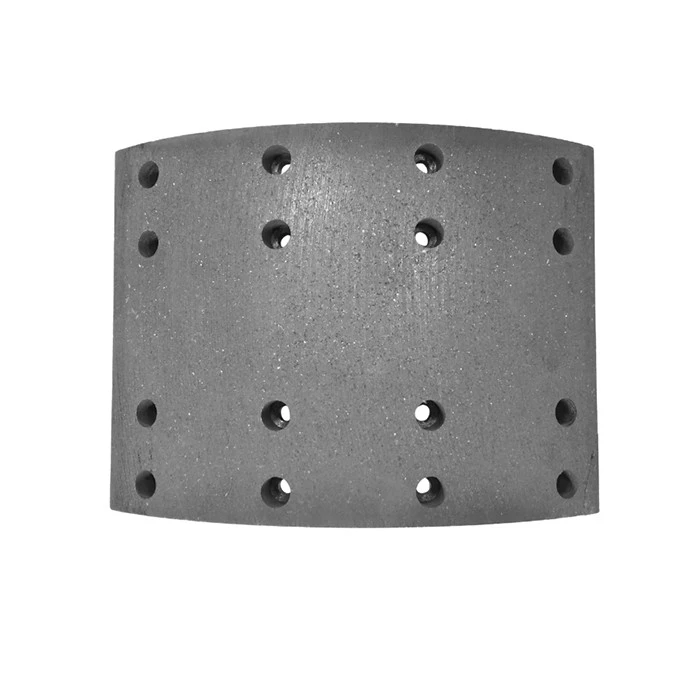
If you're in the market for high-quality trailer brake linings, we'd love to hear from you. We offer a wide range of brake linings to meet the specific needs of our customers, and we're committed to providing excellent customer service. Whether you're a fleet owner, a mechanic, or an individual trailer owner, we can help you find the right brake linings for your needs. Contact us today to discuss your requirements and start a procurement negotiation.
References
- "Brake System Fundamentals," SAE International
- "Friction Materials for Automotive Brakes," ASM International
- "Automotive Brake Design and Safety," Society of Automotive Engineers