

When it comes to the automotive industry, the braking system is one of the most critical components for ensuring safety on the road. Rear drum brake shoes play a vital role in this system, and understanding the differences in their use between hybrid and conventional vehicles is essential for both vehicle manufacturers and suppliers like me. As a rear drum brake shoe supplier, I have witnessed firsthand the unique requirements and characteristics of these two types of vehicles. In this blog, I will delve into the distinctions in using rear drum brake shoes in hybrid and conventional vehicles.
1. Braking Mechanism and Energy Regeneration in Hybrid Vehicles
Hybrid vehicles combine an internal combustion engine with an electric motor, which brings about significant differences in the braking mechanism compared to conventional vehicles. One of the most prominent features of hybrid vehicles is their energy - regeneration system. When the driver applies the brakes in a hybrid vehicle, the electric motor can act as a generator. It converts the kinetic energy of the moving vehicle into electrical energy, which is then stored in the battery for later use.
This energy - regeneration process reduces the reliance on the traditional friction - based braking system, including rear drum brake shoes. In normal driving conditions, the electric motor takes on a large part of the braking task during light to moderate braking. As a result, the rear drum brake shoes in hybrid vehicles are used less frequently and experience less wear and tear compared to those in conventional vehicles.
For example, in stop - and - go city traffic, where braking and accelerating occur frequently, a hybrid vehicle's energy - regeneration system can handle a substantial portion of the deceleration. The rear drum brake shoes are only engaged when more aggressive braking is required, such as in emergency situations or when the vehicle's speed is relatively high.
2. Heat Dissipation Requirements
Heat dissipation is a crucial factor in the performance and longevity of rear drum brake shoes. In conventional vehicles, the drum brake system is solely responsible for converting the vehicle's kinetic energy into heat through friction. During braking, a large amount of heat is generated, and the drum and brake shoes need to dissipate this heat effectively to prevent brake fade and ensure consistent braking performance.
In hybrid vehicles, due to the energy - regeneration system, the amount of heat generated by the rear drum brake shoes is significantly reduced. The electric motor's braking action helps to slow down the vehicle without relying solely on friction. As a result, the heat dissipation requirements for rear drum brake shoes in hybrid vehicles are not as demanding as those in conventional vehicles.
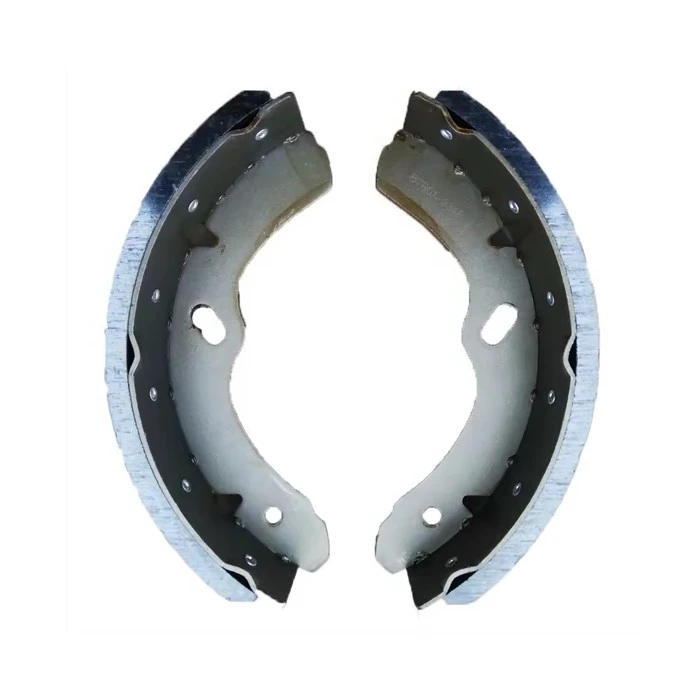
However, it's important to note that in hybrid vehicles, the drum brake system still needs to function properly in case the energy - regeneration system fails or when additional braking force is needed. Therefore, even though the heat load is lower, the drum brake shoes still need to have good heat - resistant properties. Our Ceramic Drum Brake Shoes are an excellent choice for both hybrid and conventional vehicles, as they offer superior heat resistance and durability.
3. Wear Patterns
The wear patterns of rear drum brake shoes in hybrid and conventional vehicles also differ. In conventional vehicles, the drum brake shoes are constantly in use during braking. The friction between the brake shoes and the drum causes the brake lining material to wear down over time. The wear is relatively uniform across the surface of the brake shoe, and the rate of wear depends on factors such as driving style, vehicle weight, and frequency of braking.
In hybrid vehicles, as mentioned earlier, the energy - regeneration system reduces the frequency of use of the rear drum brake shoes. When the brake shoes are engaged, they usually experience more abrupt and intense braking forces compared to conventional vehicles. This can lead to uneven wear patterns on the brake shoes. For instance, the leading edge of the brake shoe may experience more wear because it is the first part to come into contact with the drum during braking.
To address these different wear patterns, we at our company have developed brake shoes with advanced materials and manufacturing techniques. Our Automobile Brake Shoes are designed to withstand the unique wear conditions in both hybrid and conventional vehicles, ensuring long - lasting performance.
4. Compatibility with Other Systems
In conventional vehicles, the rear drum brake system is mainly integrated with the vehicle's hydraulic braking system. The brake pedal is connected to a master cylinder, which pressurizes the brake fluid and transfers the force to the wheel cylinders in the drum brake system. The operation of the rear drum brake shoes is relatively straightforward and is mainly controlled by the hydraulic pressure.
In hybrid vehicles, the rear drum brake system needs to be compatible with both the hydraulic braking system and the energy - regeneration system. The vehicle's electronic control unit (ECU) plays a crucial role in coordinating the operation of these two systems. When the driver applies the brakes, the ECU determines how much braking force should be provided by the energy - regeneration system and how much by the friction - based braking system, including the rear drum brake shoes.
This requires the rear drum brake shoes in hybrid vehicles to be more precisely calibrated and have better responsiveness. They need to be able to work in harmony with the other components of the braking system to ensure smooth and efficient braking performance. Our brake shoes are engineered to meet these high - precision requirements, making them suitable for the complex braking systems in hybrid vehicles.
5. Performance Requirements in Different Driving Conditions
Conventional vehicles are designed to operate in a wide range of driving conditions, from city streets to highways. In city driving, frequent stops and starts put a lot of stress on the braking system, including the rear drum brake shoes. On highways, high - speed driving requires the braking system to be able to provide strong and reliable stopping power.
Hybrid vehicles, on the other hand, are often optimized for fuel efficiency, especially in city driving. The energy - regeneration system allows them to recover energy during braking, which is beneficial for reducing fuel consumption. However, in high - speed or emergency braking situations, hybrid vehicles need the same level of braking performance as conventional vehicles.
The rear drum brake shoes in hybrid vehicles need to be able to adapt to these different driving conditions. They should provide good braking performance at low speeds for normal city driving, as well as sufficient stopping power at high speeds. Our Semi Truck Drum Brake Shoes technology has been adapted to meet these diverse performance requirements, whether for hybrid or conventional vehicles.
6. Cost Considerations
From a cost perspective, the use of rear drum brake shoes in hybrid and conventional vehicles also has some differences. In conventional vehicles, since the drum brake system is used more frequently, the brake shoes need to be replaced more often. This means that the long - term cost of brake shoe replacement can be relatively high.
In hybrid vehicles, due to the reduced frequency of use of the rear drum brake shoes, the replacement interval can be longer. However, the technology and precision required for the brake shoes in hybrid vehicles may make them more expensive initially. When considering the overall cost, vehicle owners need to balance the initial purchase price of the brake shoes with the replacement frequency.
As a rear drum brake shoe supplier, we offer a range of products to meet different cost and performance requirements. Whether you are a manufacturer of hybrid or conventional vehicles, we can provide you with cost - effective solutions.
Conclusion
In conclusion, there are several significant differences in using rear drum brake shoes in hybrid and conventional vehicles. These differences stem from the unique braking mechanisms, heat dissipation requirements, wear patterns, compatibility with other systems, performance requirements in different driving conditions, and cost considerations.
As a rear drum brake shoe supplier, I understand the importance of providing high - quality products that meet the specific needs of both hybrid and conventional vehicles. Our products are designed to offer superior performance, durability, and compatibility with the latest automotive technologies.
If you are in the automotive industry and are interested in purchasing rear drum brake shoes, whether for hybrid or conventional vehicles, I encourage you to contact us for a detailed discussion. We are committed to providing you with the best solutions and ensuring the safety and performance of your vehicles.

References
- Bosch Automotive Handbook. Robert Bosch GmbH.
- SAE International Standards on Vehicle Braking Systems.
- Society of Automotive Engineers. "Hybrid Vehicle Technology and Its Impact on Braking Systems."