

When it comes to brakes, there's a lot more going on under the hood than you might think. As a brake lining set supplier, I've seen firsthand how different types of brake rotors can impact the performance of brake lining sets. Today, I'm gonna break down the differences between solid and vented brake rotors and how they relate to brake lining sets.
Solid Brake Rotors
Let's start with solid brake rotors. These are the most basic type of brake rotors out there. They're made from a single piece of metal, usually cast iron, and they have a simple, solid design. Solid rotors are pretty common in everyday cars and light trucks because they're affordable and do the job for normal driving conditions.
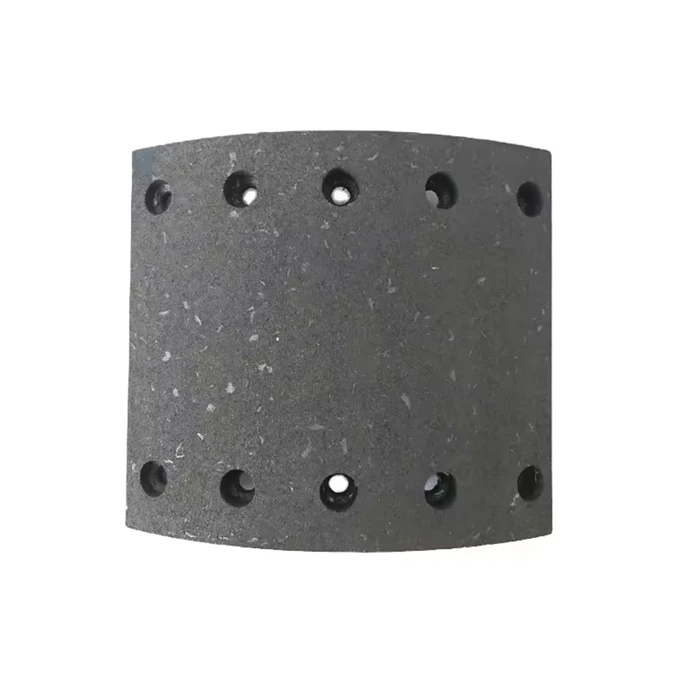

One of the main advantages of solid brake rotors is their simplicity. They're easy to manufacture, which means they're generally cheaper than vented rotors. This makes them a great option for budget - conscious consumers or vehicles that don't require high - performance braking.
Another plus is their durability. Since they're a single piece of metal, there's less that can go wrong with them. They're less likely to develop cracks or other structural issues compared to more complex rotor designs.
However, solid rotors do have their drawbacks. One of the biggest problems is heat dissipation. When you apply the brakes, friction between the brake pads and the rotor generates a lot of heat. Solid rotors aren't very good at getting rid of this heat. As the temperature rises, the brake lining can start to degrade, leading to reduced braking performance. This is known as brake fade, and it can be a serious safety issue, especially during heavy braking or when driving in mountainous areas.
Vented Brake Rotors
Now, let's talk about vented brake rotors. These rotors have a more complex design. They consist of two rotor discs with a series of vanes or channels in between. These vanes allow air to flow through the rotor, which helps to dissipate heat much more effectively than solid rotors.
The improved heat dissipation of vented rotors is a game - changer. It means that they can handle high - performance braking better without suffering from brake fade. For example, if you're driving a sports car or a heavy truck that needs to stop quickly and frequently, vented rotors are a much better choice. They can maintain their braking performance even under extreme conditions.
Vented rotors also offer better braking consistency. Since they can keep the temperature down, the brake lining wears more evenly. This means that you'll get more consistent braking force over time, which is important for safety and overall driving experience.
But, like everything else, vented rotors aren't perfect. They're more expensive to manufacture than solid rotors, so they usually come with a higher price tag. They're also a bit heavier, which can have a small impact on fuel efficiency. And because of their more complex design, they're more prone to developing issues like warping if they're not installed or maintained correctly.
Impact on Brake Lining Sets
So, how do these differences between solid and vented rotors affect brake lining sets? Well, it all comes down to heat and wear.
With solid rotors, the brake lining is exposed to higher temperatures for longer periods. This can cause the brake lining to wear out faster and lose its effectiveness. You might find yourself having to replace your Brake Lining Set more often if you're using solid rotors, especially if you do a lot of heavy braking.
On the other hand, vented rotors keep the temperature of the brake lining in check. This means that the brake lining will last longer and maintain its performance better. You'll get more miles out of your brake lining set, which can save you money in the long run.
If you're driving a vehicle that requires high - performance braking, such as a heavy truck, you'll definitely want to consider vented rotors. Our Heavy Truck Brake Linings are designed to work well with vented rotors to provide maximum stopping power and durability.
For everyday cars, the choice between solid and vented rotors depends on your driving style. If you're a gentle driver who doesn't do a lot of hard braking, solid rotors and a standard Front Brake Lining might be sufficient. But if you like to drive fast and need to stop on a dime, vented rotors and a high - quality brake lining set are the way to go.
Making the Right Choice
As a brake lining set supplier, I often get asked which type of rotor is better. The truth is, it depends on your specific needs. If you're on a tight budget and drive under normal conditions, solid rotors might be the way to go. But if you need high - performance braking or drive in demanding conditions, vented rotors are worth the extra cost.
When choosing a brake lining set, it's important to consider the type of rotor you have or plan to install. Different brake linings are designed to work best with different rotor types. For example, some brake linings are formulated to handle high temperatures better, which is ideal for use with vented rotors.
If you're not sure which brake lining set is right for your vehicle and rotor type, don't hesitate to reach out. We have a team of experts who can help you make the right choice. Whether you need a brake lining set for a small car or a heavy truck, we've got you covered.
Conclusion
In conclusion, the differences between solid and vented brake rotors have a significant impact on brake lining sets. Solid rotors are simple and durable but struggle with heat dissipation, which can lead to faster brake lining wear and reduced performance. Vented rotors, on the other hand, offer superior heat dissipation, better braking consistency, and are better suited for high - performance applications.
If you're in the market for a new brake lining set, take the time to consider the type of rotors you have or plan to install. And if you need any advice or want to discuss your options, feel free to get in touch. We're here to help you find the best brake lining set for your needs.
References
- Bosch Automotive Handbook.
- Chilton's Automotive Repair Manual.