

Hey there, fellow road enthusiasts! As a brake pads supplier, I've spent a ton of time digging into the ins and outs of different brake systems. One question that pops up a lot is, "What are the differences between car and motorcycle brake pads?" Well, buckle up (or strap on your helmet), 'cause I'm gonna break it down for you.
1. Size and Design
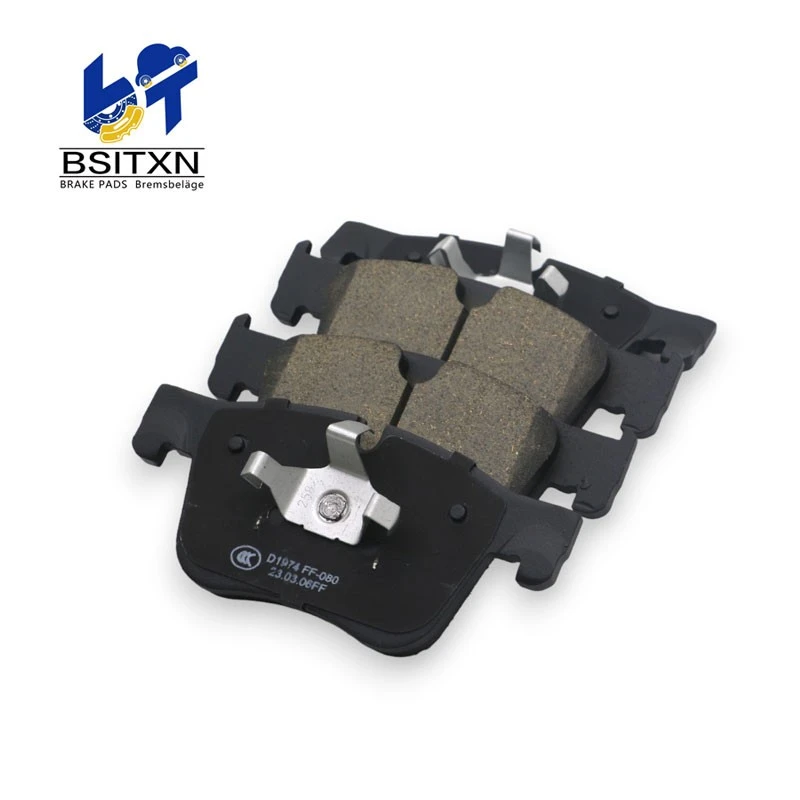
First off, let's talk about size. It's pretty obvious that cars are way bigger than motorcycles, and that difference is reflected in their brake pads. Car brake pads are generally larger in both surface area and thickness. They need to be big enough to handle the massive weight of a car, which can range from around 2,000 pounds for a small compact to over 6,000 pounds for a big SUV or truck.
On the flip side, motorcycle brake pads are much smaller. Motorcycles are lighter, usually weighing between 300 and 1,000 pounds. Smaller brake pads are sufficient to slow down and stop these two - wheeled machines. The design also varies. Car brake pads often have a more rectangular or square - shaped design, which provides a large contact area with the brake rotor. This helps distribute the braking force evenly across the rotor's surface.
Motorcycle brake pads, on the other hand, can have more complex shapes. They might be curved or have a unique contour to fit the specific design of the motorcycle's brake caliper and rotor. Some high - performance motorcycles even have multi - piston calipers, which require brake pads that can precisely fit into these intricate setups. Check out our Brake Pad Parts for more details on the various designs available.
2. Braking Force Requirements
The amount of braking force needed is another major difference. Cars need a whole lot more force to stop because of their weight. When you're driving a car at high speed, say 60 miles per hour, and you hit the brakes, the brake pads have to work hard to convert the kinetic energy of the moving vehicle into heat energy. This requires a strong and consistent braking force.
Car brake pads are engineered to handle high - pressure situations. They are made from materials that can withstand the intense friction and heat generated during hard braking. For example, many car brake pads use semi - metallic or ceramic compounds. Semi - metallic pads are made with a mixture of metal fibers and other materials. They are known for their high - performance braking capabilities and can handle heavy loads. Ceramic pads, on the other hand, are quieter and produce less dust, but they can also provide good braking force.
Motorcycles, while they don't need as much braking force as cars, still require a quick and responsive braking system. Since motorcycles are more agile and can change speeds rapidly, the brake pads need to be able to engage and disengage quickly. Motorcycle brake pads often use organic or sintered materials. Organic pads are made from a combination of fibers, resins, and fillers. They are relatively soft and provide smooth braking, but they may wear out faster under heavy use. Sintered pads, which are made by fusing metal particles together, offer excellent braking performance, especially in high - temperature and high - stress situations. If you're looking for brake pads that offer a smooth and quiet ride, check out our No Noise Brake Pads.
3. Heat Dissipation
Heat is the enemy of brake pads. When you brake, the friction between the brake pads and the rotor generates a ton of heat. If the heat isn't dissipated properly, it can cause the brake pads to fade, which means they lose their ability to stop the vehicle effectively.
Cars have larger brake systems, which generally have better heat - dissipation capabilities. The larger surface area of car brake pads and rotors allows heat to spread out more easily. Additionally, many cars are equipped with ventilation systems in the brake rotors, such as drilled or slotted rotors. These features help increase the airflow around the rotors, which in turn helps cool them down faster.
Motorcycles, with their smaller brake components, face a greater challenge when it comes to heat dissipation. Since the brake pads and rotors are smaller, the heat is concentrated in a smaller area. To combat this, motorcycle manufacturers often use high - performance materials in the brake pads and rotors that can withstand high temperatures. Some motorcycles also have advanced cooling systems, such as air - cooled or liquid - cooled brakes, to help keep the brakes at an optimal temperature.
4. Wear and Tear
The wear and tear on car and motorcycle brake pads also differ. Car brake pads typically last longer because cars are usually driven on more predictable routes and under more consistent conditions. The weight of the car and the way it distributes the braking force across the four wheels also contribute to a more even wear pattern.
Motorcycle brake pads, however, can wear out more quickly. Motorcycles are often ridden more aggressively, with frequent acceleration and braking. The fact that motorcycles have only two wheels means that the braking force is concentrated on a smaller number of brake pads, which can lead to faster wear. Also, riding conditions for motorcycles can be more diverse, including off - road riding, which can put additional stress on the brake pads.
5. Cost
Cost is always a factor when it comes to replacing brake pads. Generally, car brake pads are more expensive than motorcycle brake pads. This is mainly due to their larger size and the more complex manufacturing processes involved. Car brake pads also need to meet more stringent safety and performance standards, which can drive up the cost.
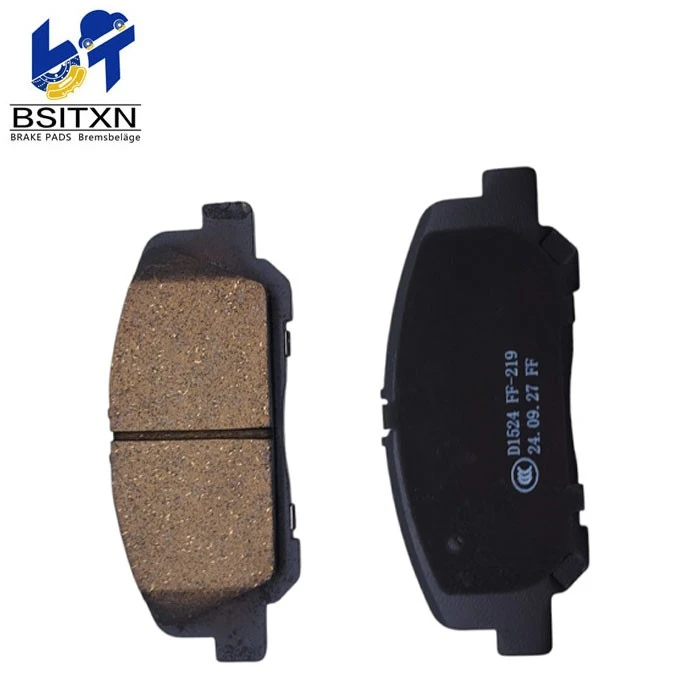
Motorcycle brake pads are relatively cheaper, but the cost can still vary depending on the type of material and the brand. High - performance motorcycle brake pads made from sintered materials or other advanced compounds can be more expensive, but they offer better braking performance and longer lifespan. If you're in the market for a specific type of brake pad, take a look at our 0446528520 A1N139 SN695 SS695S AN735WK D1524 D2265 SP2183 GDB3455 Brake Pad for a great option.
Why Choose Our Brake Pads?
As a brake pads supplier, we understand the unique needs of both car and motorcycle owners. We offer a wide range of brake pads that are designed to meet the highest standards of quality and performance. Whether you're looking for a set of brake pads for your daily - driver car or your high - performance motorcycle, we've got you covered.
Our brake pads are made from the best materials available, ensuring long - lasting durability and reliable braking performance. We also pay close attention to the details, such as heat dissipation and noise reduction, to provide you with the best possible braking experience.
If you're interested in purchasing our brake pads or have any questions about which type is right for your vehicle, don't hesitate to get in touch. We're here to help you make the right choice and ensure that your brakes are in top - notch condition.
References
- "Automotive Brake Systems: Fundamentals, Diagnosis, and Service" by James D. Halderman
- "Motorcycle Maintenance Manual" by Haynes Publishing Group