

Compatibility issues between front brake linings and brake rotors are critical aspects that every vehicle owner, mechanic, and even fleet managers should understand. As a front brake lining supplier, I've witnessed firsthand how the wrong combination can lead to a host of problems, from reduced braking performance to premature wear and tear. In this blog post, I'll delve into the various compatibility issues that can arise and why it's essential to choose the right front brake linings for your brake rotors.
Material Compatibility
One of the primary factors that determine the compatibility between front brake linings and brake rotors is the material composition. Brake linings can be made from various materials, including semi-metallic, ceramic, and organic compounds. Each material has its unique properties that can either complement or clash with the brake rotor material.
Semi-metallic brake linings are composed of a mixture of metal fibers, such as steel, copper, and iron, along with other friction materials. These linings are known for their high heat resistance and excellent stopping power, making them a popular choice for high-performance vehicles. However, semi-metallic linings can be abrasive to brake rotors, especially if the rotors are made of softer materials. This can lead to accelerated rotor wear and uneven braking performance.

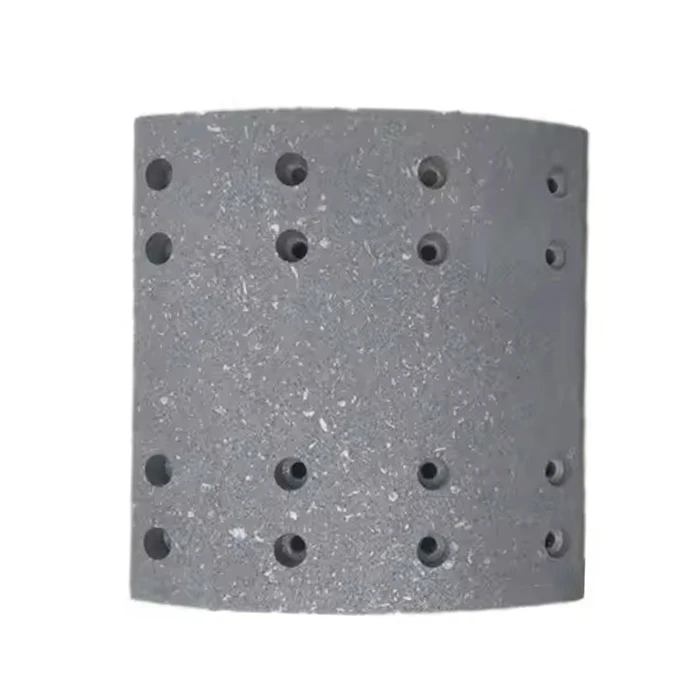
Ceramic brake linings, on the other hand, are made from a blend of ceramic fibers and other non-metallic materials. They offer several advantages over semi-metallic linings, including quieter operation, less dust production, and longer rotor life. Ceramic linings are also less abrasive to brake rotors, making them a good choice for vehicles with more delicate rotor materials. However, ceramic linings can be more expensive than semi-metallic linings, and they may not provide the same level of stopping power in extreme conditions.
Organic brake linings are made from natural materials, such as rubber, glass, and resin. They are the softest and least abrasive type of brake lining, which makes them gentle on brake rotors. Organic linings are also relatively quiet and produce less dust than semi-metallic linings. However, they have a lower heat resistance and may not be suitable for high-performance applications.
When choosing front brake linings, it's essential to consider the material of your brake rotors. If you have high-performance rotors, such as those made from carbon-ceramic or vented steel, semi-metallic or ceramic brake linings may be the best choice. If you have standard rotors or rotors made from softer materials, organic brake linings may be a more suitable option.
Friction Coefficient Compatibility
Another crucial factor in the compatibility between front brake linings and brake rotors is the friction coefficient. The friction coefficient is a measure of how well the brake lining and rotor interact to create friction and stop the vehicle. A high friction coefficient means that the brake lining and rotor can generate more stopping power, while a low friction coefficient means that the braking performance may be reduced.
The friction coefficient of a brake lining can vary depending on several factors, including the material composition, temperature, and humidity. It's essential to choose brake linings with a friction coefficient that is compatible with your brake rotors and driving conditions. If the friction coefficient is too high, the brake linings may grab the rotors too aggressively, causing uneven wear and potentially damaging the rotors. If the friction coefficient is too low, the braking performance may be inadequate, especially in emergency situations.
Most brake lining manufacturers provide information about the friction coefficient of their products. It's important to choose brake linings with a friction coefficient that is within the recommended range for your vehicle's make and model. You can also consult your vehicle's owner's manual or a professional mechanic for guidance on choosing the right brake linings.
Heat Dissipation Compatibility
Heat dissipation is another critical aspect of the compatibility between front brake linings and brake rotors. When you apply the brakes, the friction between the brake lining and rotor generates heat. If this heat is not dissipated properly, it can cause the brake lining and rotor to overheat, leading to reduced braking performance, brake fade, and even brake failure.
Brake rotors are designed to dissipate heat through a process called convection. The rotor's surface area and design play a crucial role in how effectively it can dissipate heat. Vented rotors, for example, have channels or vanes that allow air to flow through the rotor, which helps to cool it down more quickly. Cross-drilled or slotted rotors also provide additional surface area for heat dissipation.
Brake linings also play a role in heat dissipation. Some brake linings are designed to have better heat resistance and dissipation properties than others. For example, ceramic brake linings are known for their excellent heat dissipation capabilities, which helps to prevent overheating and brake fade.
When choosing front brake linings, it's important to consider the heat dissipation capabilities of your brake rotors. If you have high-performance rotors with good heat dissipation properties, you may be able to choose brake linings with a higher friction coefficient, which can provide better stopping power. If you have standard rotors or rotors with poor heat dissipation properties, you may need to choose brake linings with a lower friction coefficient to prevent overheating.
Size and Fit Compatibility
Finally, it's essential to ensure that the front brake linings you choose are the correct size and fit for your brake rotors. Brake linings come in various sizes and shapes, and it's crucial to choose the ones that are specifically designed for your vehicle's make and model.
If the brake linings are too small or too large, they may not fit properly on the brake rotors, which can lead to uneven wear, reduced braking performance, and even brake failure. It's also important to ensure that the brake linings are installed correctly, with the correct amount of clearance between the lining and the rotor.
When purchasing front brake linings, it's a good idea to check the manufacturer's specifications to ensure that they are the correct size and fit for your vehicle. You can also consult your vehicle's owner's manual or a professional mechanic for guidance on choosing the right brake linings.
Conclusion
In conclusion, compatibility issues between front brake linings and brake rotors are a critical aspect of vehicle safety and performance. As a front brake lining supplier, I understand the importance of choosing the right brake linings for your brake rotors. By considering factors such as material compatibility, friction coefficient compatibility, heat dissipation compatibility, and size and fit compatibility, you can ensure that your brakes are working effectively and safely.
If you're in the market for front brake linings, I encourage you to explore our wide range of products, including Heavy Truck Brake Linings, Trailer Brake Lining, and Front Brake Lining. Our brake linings are designed to meet the highest standards of quality and performance, and we offer a variety of options to suit different vehicles and driving conditions.
If you have any questions or need assistance in choosing the right front brake linings for your vehicle, please don't hesitate to contact us. We're here to help you make the best decision for your braking needs.
References
- Bosch Automotive Handbook, 7th Edition
- SAE International Standards on Brake Systems
- Chilton's Automotive Repair Manuals