

Hey there! As a supplier of front brake pad kits, I often get asked this question: "Should I lubricate the parts of a front brake pad kit during installation?" Well, let's dig into this topic and find out the ins and outs.
First off, let's understand the purpose of lubrication in general. Lubrication is like giving your car's braking system a little helping hand. It reduces friction in areas where it's not needed, prevents noise, and can extend the lifespan of your brake components. But when it comes to front brake pad kits, things aren't always as straightforward.
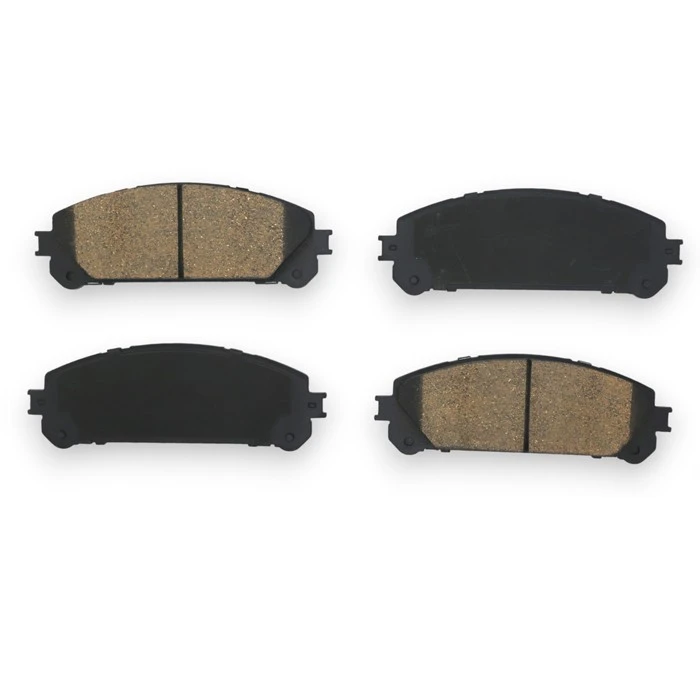

Let's start with the parts that usually need lubrication. The back of the brake pads, where they come into contact with the caliper pistons and the caliper bracket, is a key area. Applying a thin layer of high - temperature brake lubricant here can prevent the pads from rattling and making that annoying squealing noise. It also helps the pads move smoothly within the caliper, ensuring even braking force distribution.
Another area to consider is the caliper slide pins. These pins allow the caliper to move back and forth as the brakes are applied and released. If they're not lubricated, they can seize up, leading to uneven wear on the brake pads and reduced braking performance. Using a lubricant specifically designed for brake slide pins is crucial, as it needs to withstand the high temperatures generated during braking.
However, there are parts of the front brake pad kit where lubrication is a big no - no. The friction surface of the brake pads is the most obvious one. If you apply lubricant to the friction surface, it will reduce the braking efficiency and can even be dangerous. The whole point of the brake pads is to create friction against the brake rotor to slow down or stop the vehicle. Any lubricant on this surface will compromise that function.
Now, let's talk about the types of lubricants available. There are different kinds of brake lubricants, each with its own properties. Silicone - based lubricants are great for caliper slide pins as they offer good resistance to high temperatures and moisture. They also don't attract dirt and debris, which can cause problems over time. On the other hand, copper - based lubricants are often used on the back of the brake pads. They have excellent heat transfer properties and can help reduce noise.
As a front brake pad kit supplier, I've seen firsthand the effects of proper and improper lubrication. Customers who take the time to lubricate the right parts correctly often report a smoother braking experience, less noise, and longer - lasting brake components. Those who skip the lubrication step or do it incorrectly may end up with a noisy braking system, uneven pad wear, and potentially costly repairs down the line.
Let's take a look at some of the products we offer in our front brake pad kits. We have Sinter Brakes, which are known for their high - performance and durability. These brakes are designed to handle extreme conditions and provide reliable braking power. Our High Friction Brake Pads are perfect for those who need extra stopping power, whether it's for high - speed driving or heavy - duty applications. And for everyday use, our Passenger Car Brake Pads offer a balance of performance and affordability.
When it comes to installing our front brake pad kits, we always recommend following the manufacturer's instructions. These instructions will usually include details on which parts need lubrication and what type of lubricant to use. If you're not confident in your ability to install the brake pads and lubricate them correctly, it's best to take your vehicle to a professional mechanic.
In conclusion, lubricating the right parts of a front brake pad kit during installation is a good idea. It can improve the performance and longevity of your braking system, as well as enhance your driving safety. But remember, it's important to use the right lubricant in the right places. If you have any questions about our front brake pad kits or the lubrication process, don't hesitate to reach out. We're here to help you make the best choice for your vehicle. Whether you're a DIY enthusiast or a professional mechanic, we have the products and knowledge to meet your needs. So, if you're in the market for high - quality front brake pad kits, contact us for a purchase negotiation. We're looking forward to working with you!
References
- Brake System Handbook, Automotive Industry Publishing
- Guide to Brake Pad Installation, Professional Mechanics Association