

Autonomous driving is no longer a far - off dream; it's rapidly becoming a reality. As someone who runs an automobile brake shoes supplier, I've been closely watching how this technological shift will impact our products. In this blog, I'll share my thoughts on how autonomous driving will reshape the design of automobile brake shoes.
The Basics of Brake Shoes in Traditional Vehicles
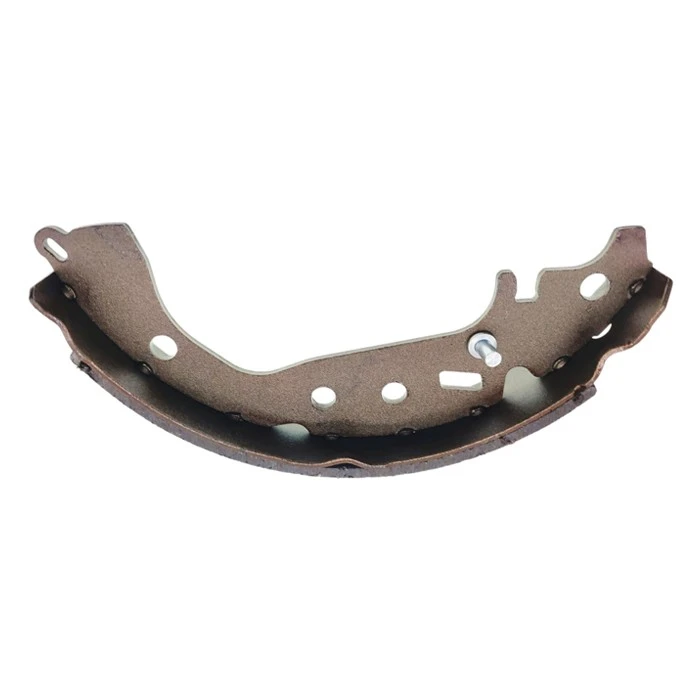
First, let's talk about what brake shoes are and how they work in non - autonomous cars. Brake shoes are a key part of a drum brake system. When you press the brake pedal, the brake shoes are pushed out against the inner surface of the brake drum. This friction slows down the rotation of the wheel and, ultimately, the vehicle.
There are different types of brake shoes, like Rear Parking Brake Shoes, Rear Drum Brake Shoe, and Trailer Drum Brake Shoes. Each type has its own specific function and design requirements. For example, rear parking brake shoes are mainly used to keep the vehicle stationary when parked, while rear drum brake shoes are involved in normal braking operations.
How Autonomous Driving Changes the Game
One of the biggest impacts of autonomous driving on brake shoe design is the change in braking patterns. In traditional driving, braking is often a reaction to what the driver sees on the road. A sudden stop might be required if a pedestrian steps out or another car cuts in. But in autonomous driving, the vehicle's sensors and algorithms can predict and plan braking maneuvers much more precisely.
Autonomous vehicles can anticipate traffic flow, adjust speed gradually, and avoid sudden stops in many cases. This means that the wear and tear on brake shoes will be different. Instead of the occasional hard braking, there will be more frequent, light - pressure braking. As a result, the design of brake shoes needs to be optimized for this new pattern.
New Design Requirements for Brake Shoes in Autonomous Vehicles
1. Durability for Frequent Light Braking
Since autonomous cars will be doing more light - pressure braking, the brake shoes need to be more durable in these conditions. The friction material used in brake shoes will need to be able to withstand the repeated, low - intensity friction without wearing out quickly. We might need to develop new materials or improve the existing ones to meet this requirement.
2. Noise and Vibration Reduction
With more frequent braking, noise and vibration can become a bigger issue. No one wants to be in a quiet, high - tech autonomous vehicle that makes a lot of noise every time it brakes. So, the design of brake shoes will need to focus on reducing noise and vibration. This could involve changes in the shape of the brake shoes, the use of damping materials, or improvements in the way the brake shoes are installed.
3. Compatibility with Advanced Sensors
Autonomous vehicles are filled with sensors that monitor everything from tire pressure to the distance to the vehicle in front. Brake shoes need to be designed to work well with these sensors. For example, sensors could be used to monitor the wear of the brake shoes in real - time. The brake shoe design should allow for easy integration of these sensors without affecting the performance of the braking system.
4. Faster Response Times
Although autonomous vehicles can plan braking maneuvers in advance, there might still be situations where a quick response is needed. For example, if a sensor malfunctions or an unexpected obstacle appears. Brake shoes need to be able to provide a fast and reliable braking response in these emergency situations.
Challenges in Adapting Brake Shoe Design
Adapting brake shoe design for autonomous vehicles isn't without its challenges. One of the main challenges is cost. Developing new materials and manufacturing processes to meet the new design requirements can be expensive. We need to find a balance between providing high - quality brake shoes and keeping the cost reasonable for our customers.
Another challenge is testing. Since autonomous driving is still a relatively new technology, there aren't many standardized testing methods for brake shoes in this context. We need to develop new testing procedures to ensure that the brake shoes meet the safety and performance standards for autonomous vehicles.
Opportunities for Our Brake Shoe Business
Despite the challenges, there are also many opportunities for our brake shoe business. As the demand for autonomous vehicles grows, so will the demand for brake shoes designed specifically for them. We have the chance to be at the forefront of this technological shift and develop innovative brake shoe solutions.
We can also build stronger partnerships with autonomous vehicle manufacturers. By working closely with them, we can understand their specific needs and develop brake shoes that are perfectly tailored to their vehicles. This will not only help us expand our market share but also contribute to the overall safety and performance of autonomous vehicles.
Looking Ahead: The Future of Brake Shoe Design in Autonomous Driving
As autonomous driving technology continues to evolve, the design of brake shoes will also keep changing. We can expect to see more advanced materials, such as carbon - ceramic composites, being used in brake shoe manufacturing. These materials offer better performance in terms of heat dissipation, friction, and durability.
In addition, the integration of smart technologies into brake shoes will become more common. For example, brake shoes could be equipped with self - monitoring systems that can send alerts to the vehicle's control system when they need to be replaced.
Conclusion
The rise of autonomous driving is having a profound impact on the design of automobile brake shoes. As a brake shoe supplier, we need to adapt to these changes quickly. By understanding the new design requirements, overcoming the challenges, and seizing the opportunities, we can ensure that our products remain competitive in the market.

If you're interested in learning more about our brake shoes for autonomous vehicles or have any questions about our products, feel free to reach out. We're always ready to discuss potential partnerships and provide the best solutions for your needs. Whether you're an autonomous vehicle manufacturer or a distributor, we're here to work with you.
References
- SAE International. (20XX). Standards for Autonomous Vehicle Braking Systems.
- Society of Automotive Engineers. (20XX). Research on Brake Wear Patterns in Autonomous Driving.
- Industry reports on the development of autonomous vehicles and their impact on automotive components.