

Rust is a common and persistent problem that can significantly impact the performance and lifespan of brake linings. As a brake lining supplier, I understand the importance of preventing rust to ensure the safety and reliability of these crucial automotive components. In this blog post, I will share some effective strategies on how to prevent rust on brake linings.
Understanding the Causes of Rust on Brake Linings
Before delving into prevention methods, it's essential to understand why brake linings rust. Rust, or iron oxide, forms when iron or steel comes into contact with oxygen and moisture. Brake linings are often made of materials that contain iron, such as semi - metallic or fully metallic compounds. When exposed to the elements, especially in humid or wet environments, the iron in the brake linings reacts with oxygen in the presence of water to form rust.
In addition to environmental factors, driving conditions can also contribute to rust formation. For example, frequent short trips where the brakes don't get hot enough to evaporate moisture can leave water on the brake linings for extended periods, increasing the risk of rust.
Selecting the Right Brake Lining Material
One of the first steps in preventing rust on brake linings is to choose the right material. Different brake lining materials have varying levels of resistance to rust.
- Non - metallic Brake Linings: These linings are made from materials like ceramic or organic compounds that do not contain iron. As a result, they are inherently resistant to rust. Non - metallic brake linings offer smooth and quiet braking performance and are an excellent option for preventing rust. You can find high - quality Brake Lining Set in non - metallic materials that are less prone to rusting.
- Galvanized or Coated Brake Linings: Some brake linings are treated with a galvanized coating or other anti - rust coatings. Galvanization involves applying a layer of zinc to the surface of the brake lining. Zinc acts as a sacrificial anode, corroding in place of the iron in the lining. This provides an extra layer of protection against rust. When sourcing brake linings, look for products that are specifically advertised as having anti - rust coatings.
Proper Storage and Handling
Proper storage and handling of brake linings are crucial to prevent rust during the period before they are installed in vehicles.

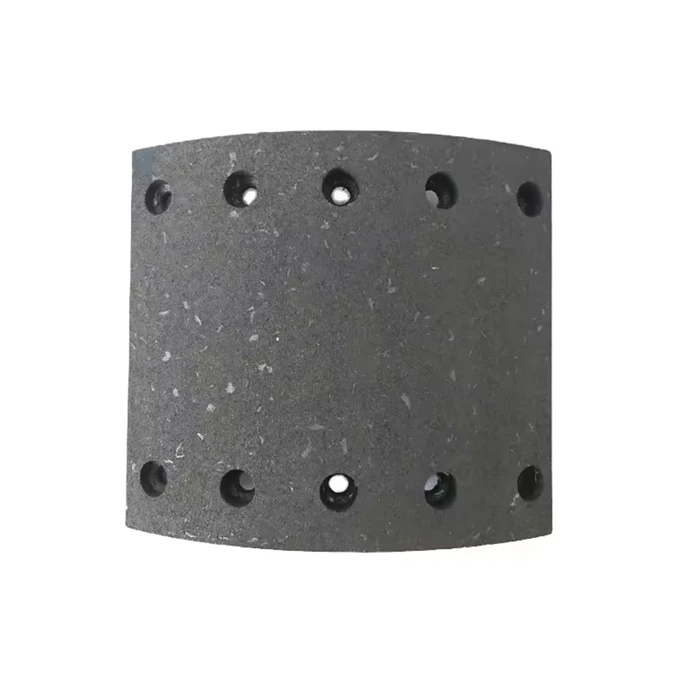
- Dry Storage: Store brake linings in a dry environment. A humidity - controlled storage facility is ideal. If this is not possible, ensure that the storage area is well - ventilated and protected from rain and moisture. Avoid storing brake linings on the floor, as it can be more prone to dampness.
- Sealed Packaging: Keep brake linings in their original sealed packaging until they are ready to be installed. The packaging is designed to protect the linings from moisture and contaminants. If the original packaging is damaged, consider using a plastic bag or other protective covering to keep the linings dry.
- Avoid Contact with Moisture - Containing Substances: When handling brake linings, make sure your hands are dry. Avoid exposing the linings to water, oil, or other liquids that can promote rust formation. If the linings accidentally get wet, dry them thoroughly before storage or installation.
Maintenance and Inspection
Regular maintenance and inspection of brake linings can help detect and prevent rust at an early stage.
- Visual Inspection: Periodically inspect the brake linings for signs of rust. Look for discoloration, flaking, or a powdery substance on the surface of the linings. If you notice any signs of rust, take immediate action to address the issue.
- Cleaning: Clean the brake linings regularly to remove dirt, debris, and moisture. Use a clean, dry cloth or a soft brush to gently wipe the surface of the linings. Avoid using harsh chemicals or abrasive materials that can damage the linings.
- Drying After Exposure to Water: If the vehicle has been driven through water or in heavy rain, make sure to dry the brake linings. You can do this by gently applying the brakes a few times while driving at a low speed. This will generate heat and help evaporate the moisture from the linings.
Driving Habits
Driving habits can also play a role in preventing rust on brake linings.
- Regular Use: Regularly using the vehicle helps keep the brake linings dry. When the brakes are applied, the friction generates heat, which evaporates any moisture on the linings. Make sure to take your vehicle for regular drives, especially if it has been sitting idle for an extended period.
- Avoiding Prolonged Idle Periods: If you need to park your vehicle for a long time, try to find a dry and covered parking spot. Prolonged idle periods in a wet or humid environment can increase the risk of rust on the brake linings.
Application of Anti - Rust Products
There are various anti - rust products available in the market that can be applied to brake linings to provide additional protection.
- Anti - Rust Sprays: These sprays form a protective barrier on the surface of the brake linings, preventing moisture and oxygen from coming into contact with the iron. When applying anti - rust sprays, make sure to follow the manufacturer's instructions carefully. Apply the spray evenly on the surface of the linings and allow it to dry completely before installing the linings.
- Rust Inhibitors: Rust inhibitors can be added to the brake fluid or applied directly to the brake components. These inhibitors work by chemically reacting with the metal surface to form a protective layer that resists rust. However, it's important to choose rust inhibitors that are compatible with the brake lining material to avoid any adverse effects on braking performance.
Partnering with a Reliable Supplier
As a brake lining supplier, I can attest to the importance of partnering with a reliable supplier. A good supplier will provide high - quality brake linings that are less prone to rust. They will also offer technical support and advice on how to prevent rust and maintain the brake linings.
We offer a wide range of brake linings, including Trailer Brake Lining and Heavy Truck Brake Linings, that are designed to meet the highest standards of quality and rust resistance. Our products are carefully tested to ensure optimal performance and durability.
If you are in the market for brake linings or have any questions about preventing rust on brake linings, I encourage you to reach out to us. We are here to assist you with your procurement needs and provide you with the best solutions for your vehicles. Contact us today to start a conversation about how we can help you keep your brake linings rust - free and ensure the safety and reliability of your vehicles.
References
- Automotive Brake Systems Handbook, Various Authors
- Journal of Automotive Engineering, Articles on Brake Lining Materials and Rust Prevention
- Manufacturer's Guides on Brake Lining Maintenance and Storage