

As a seasoned supplier of trailer brake linings, I understand the critical importance of ensuring compatibility between the brake lining and your trailer's braking system. A mismatch can lead to reduced braking efficiency, premature wear, and even safety hazards. In this blog post, I'll share some key steps and considerations to help you ensure the perfect fit for your trailer's braking needs.
Understanding Your Trailer's Braking System
Before you can select the right brake lining, you need to have a clear understanding of your trailer's braking system. There are several types of braking systems commonly used in trailers, including electric brakes, hydraulic brakes, and air brakes. Each system has its own unique requirements and characteristics, and the brake lining you choose must be compatible with these factors.
- Electric Brakes: Electric brakes are the most common type of braking system used in trailers. They work by using an electric current to activate the brake magnets, which in turn apply pressure to the brake drums. When selecting a brake lining for an electric brake system, you need to consider factors such as the size and type of the brake magnets, the voltage of the electrical system, and the weight of the trailer.
- Hydraulic Brakes: Hydraulic brakes use a hydraulic fluid to transfer pressure from the brake pedal to the brake calipers or drums. They are typically used in larger trailers and require a more powerful braking force. When choosing a brake lining for a hydraulic brake system, you need to ensure that it can withstand the high pressure and heat generated by the system.
- Air Brakes: Air brakes are commonly used in commercial trailers and heavy-duty applications. They use compressed air to activate the brake chambers, which apply pressure to the brake drums or discs. Air brake systems require a high level of precision and reliability, and the brake lining you select must be able to meet these demands.
Consider the Application and Operating Conditions
In addition to understanding your trailer's braking system, you also need to consider the application and operating conditions in which the trailer will be used. Different applications and operating conditions place different demands on the brake lining, and you need to choose a lining that can withstand these conditions.
- Load Capacity: The load capacity of your trailer is one of the most important factors to consider when selecting a brake lining. A heavier load requires a more powerful braking force, and the brake lining you choose must be able to handle the increased stress. Make sure to choose a brake lining that is rated for the maximum load capacity of your trailer.
- Terrain and Driving Conditions: The terrain and driving conditions in which you will be using your trailer can also have a significant impact on the performance of the brake lining. If you will be driving on hilly or mountainous terrain, you will need a brake lining that can handle the increased heat and stress generated by frequent braking. Similarly, if you will be driving in wet or muddy conditions, you will need a brake lining that has good wet traction.
- Frequency of Use: The frequency of use of your trailer is another important factor to consider. If you will be using your trailer frequently, you will need a brake lining that is durable and long-lasting. On the other hand, if you will be using your trailer infrequently, you may be able to choose a less expensive brake lining.
Choose the Right Material
The material of the brake lining is another important factor to consider when ensuring compatibility with your trailer's braking system. There are several types of brake lining materials available, each with its own unique properties and characteristics.
- Asbestos-Free Organic: Asbestos-free organic brake linings are the most common type of brake lining used in trailers. They are made from a combination of organic fibers, such as aramid, cellulose, and rubber, and are designed to provide good braking performance and durability. Asbestos-free organic brake linings are also relatively quiet and produce less dust than other types of brake linings.
- Semi-Metallic: Semi-metallic brake linings are made from a combination of metal fibers, such as steel and copper, and organic fibers. They are designed to provide high-performance braking and are often used in heavy-duty applications. Semi-metallic brake linings are more durable than asbestos-free organic brake linings, but they can also be noisier and produce more dust.
- Ceramic: Ceramic brake linings are made from a combination of ceramic fibers and other materials, such as copper and graphite. They are designed to provide excellent braking performance and durability, and are often used in high-performance applications. Ceramic brake linings are also relatively quiet and produce less dust than other types of brake linings.
Check the Dimensions and Specifications
Once you have chosen the right material for your brake lining, you need to make sure that it is the correct size and specification for your trailer's braking system. The dimensions and specifications of the brake lining can vary depending on the make and model of your trailer, as well as the type of braking system it uses.
- Diameter and Thickness: The diameter and thickness of the brake lining are two of the most important dimensions to consider. The diameter of the brake lining must match the diameter of the brake drum or disc, and the thickness of the brake lining must be within the manufacturer's specifications.
- Width and Length: The width and length of the brake lining are also important dimensions to consider. The width of the brake lining must match the width of the brake shoe or caliper, and the length of the brake lining must be sufficient to cover the entire surface of the brake drum or disc.
- Friction Coefficient: The friction coefficient of the brake lining is another important specification to consider. The friction coefficient determines the amount of braking force that the brake lining can generate, and it must be within the manufacturer's specifications for your trailer's braking system.
Consult with a Professional
If you are unsure about which brake lining is the right fit for your trailer's braking system, it is always a good idea to consult with a professional. A professional trailer mechanic or brake specialist can help you determine the specific requirements of your trailer's braking system and recommend the best brake lining for your needs.
In addition to consulting with a professional, you can also refer to the manufacturer's specifications and recommendations for your trailer's braking system. The manufacturer's specifications and recommendations will provide you with detailed information about the type of brake lining that is recommended for your trailer, as well as the dimensions and specifications that you need to consider.
Conclusion
Ensuring the compatibility of your trailer brake lining with your trailer's braking system is essential for safe and reliable operation. By understanding your trailer's braking system, considering the application and operating conditions, choosing the right material, checking the dimensions and specifications, and consulting with a professional, you can select the best brake lining for your needs and ensure that your trailer's braking system performs at its best.
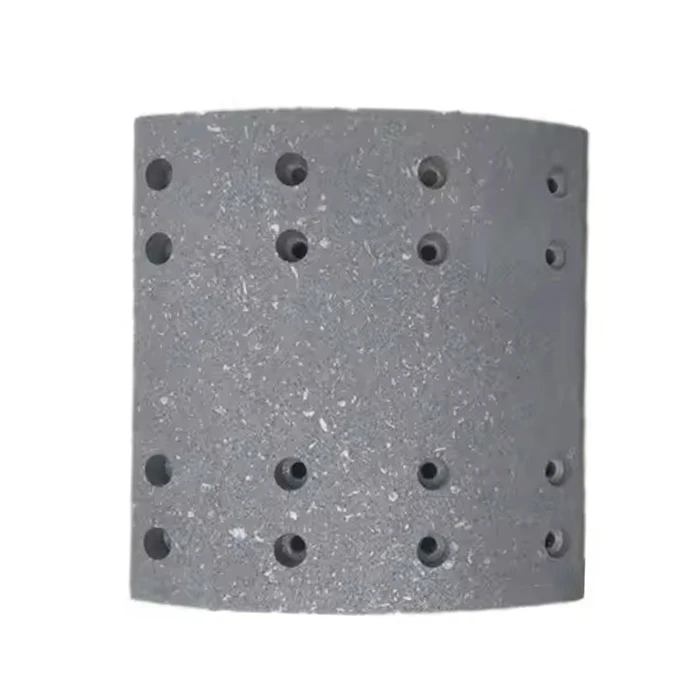
If you are in the market for high-quality Trailer Brake Lining, Front Brake Lining, or Heavy Truck Brake Linings, please don't hesitate to contact us. We are a leading supplier of brake linings and other braking components, and we are committed to providing our customers with the highest quality products and services. Whether you need a single brake lining or a large quantity of brake linings, we can help you find the right solution for your needs.

References
- "Brake Lining Selection Guide," Brake Manufacturers Council.
- "Trailer Braking Systems: A Guide to Safe Towing," National Highway Traffic Safety Administration.
- "Understanding Brake Linings: Types, Materials, and Performance," AutoZone.