

How often should freight car brake shoes be maintained? This is a question that every freight operator and railway maintenance crew should take seriously. As a trusted supplier of freight car brake shoes, we understand the critical role that proper maintenance plays in ensuring the safety and efficiency of freight transportation. In this blog post, we will explore the factors that influence the maintenance frequency of freight car brake shoes and provide some practical guidelines.
Understanding the Function of Freight Car Brake Shoes
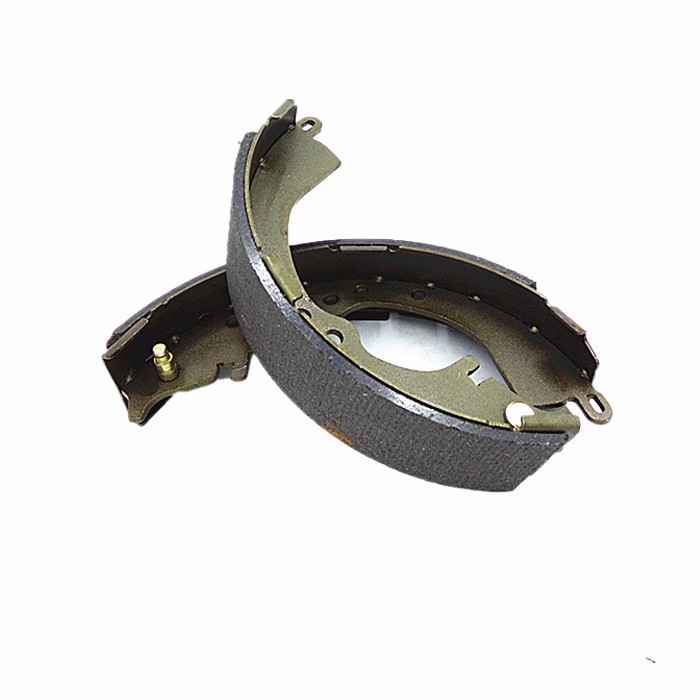
Before delving into the maintenance schedule, it's essential to understand what freight car brake shoes do. Brake shoes are a vital component of the braking system in freight cars. When the brakes are applied, the brake shoes press against the wheels, creating friction that slows down or stops the train. Given the heavy loads and high - speed operations typical in freight transportation, brake shoes are subject to significant wear and tear.
Factors Affecting Maintenance Frequency
1. Load and Usage
The amount of weight a freight car is carrying has a direct impact on the wear of brake shoes. Heavier loads require more braking force, which means the brake shoes are under greater stress. Freight cars that are consistently loaded to their maximum capacity will likely need more frequent brake shoe maintenance compared to those carrying lighter loads.
Moreover, the frequency of braking also matters. Trains operating on routes with frequent stops, such as those in mountainous areas or near busy terminals, will wear out their brake shoes faster than those on long - haul, straight routes with fewer stops.
2. Speed
Higher speeds demand more effective braking. When a freight car is traveling at high velocity, the brake shoes must generate a large amount of friction to bring the train to a stop. This increased friction leads to accelerated wear of the brake shoes. For instance, a high - speed freight service will generally require more regular brake shoe inspections and replacements than a slower - moving one.
3. Environmental Conditions
The environment in which the freight cars operate can also affect the lifespan of brake shoes. In areas with high humidity, brake shoes may be more prone to corrosion, which can weaken their structure and reduce their effectiveness. Similarly, in dusty or sandy regions, abrasive particles can get between the brake shoes and the wheels, causing additional wear.
4. Quality of Brake Shoes
The type and quality of brake shoes used play a crucial role in determining maintenance frequency. High - quality brake shoes, such as our Ceramic Drum Brake Shoes, are designed to be more durable and resistant to wear. They can withstand higher temperatures and greater stress, which means they may not need to be replaced as often as lower - quality alternatives.
General Maintenance Guidelines
Based on industry standards and our experience as a brake shoe supplier, we can provide the following general guidelines for brake shoe maintenance:
1. Visual Inspections
Visual inspections should be conducted regularly, at least once a week for freight cars in heavy - use scenarios. During these inspections, check for signs of excessive wear, such as uneven thickness, cracks, or signs of overheating. If any of these issues are detected, a more in - depth inspection or replacement may be necessary.
2. Measuring Thickness
The thickness of the brake shoes should be measured at least once a month. Most brake shoes have a minimum thickness specification. Once the brake shoe thickness reaches this limit, it should be replaced immediately. This measurement can be done using a simple caliper or other measuring tools.
3. Lubrication and Cleaning
Brake shoes should be lubricated and cleaned periodically. Lubrication helps to reduce friction and wear, while cleaning removes any debris or contaminants that could affect the performance of the brake shoes. Depending on the operating conditions, lubrication and cleaning can be carried out every one to three months.
4. Full - scale Maintenance
A full - scale maintenance of the brake shoes, including disassembly, detailed inspection, and adjustment, should be performed at least once every six months for most freight cars. However, for those in particularly harsh operating conditions, this interval may need to be shortened to three months.
Importance of Regular Maintenance
Regular maintenance of freight car brake shoes is not just about extending their lifespan; it is also a matter of safety. Faulty brake shoes can lead to brake failure, which can cause derailments, collisions, and other serious accidents. By adhering to a proper maintenance schedule, freight operators can ensure the safety of their trains, crew, and the cargo they are transporting.
In addition, proper maintenance can also improve the efficiency of the braking system. Well - maintained brake shoes can provide more consistent and reliable braking performance, which can reduce the stopping distance of the train and improve overall operational efficiency.
Different Types of Brake Shoes and Their Maintenance
1. Automobile Brake Shoes
Although not strictly for freight cars, automobile brake shoes share some similarities in terms of maintenance principles. They are often used in smaller, specialized freight vehicles. The maintenance frequency for automobile brake shoes may be more frequent than that of traditional freight car brake shoes, especially for vehicles used in urban delivery services with frequent stops.
2. Handbrake Brake Shoes
Handbrake brake shoes are used for parking and emergency braking. They are typically subject to less wear than the main brake shoes, but they still require regular inspection. A visual inspection of handbrake brake shoes should be carried out every two months, and full - scale maintenance can be done once a year.

Conclusion
In conclusion, the frequency of freight car brake shoe maintenance depends on multiple factors, including load, speed, environmental conditions, and the quality of the brake shoes. By following the general guidelines provided in this blog post, freight operators can ensure the optimal performance and safety of their braking systems.
As a leading supplier of freight car brake shoes, we are committed to providing high - quality products and expert advice on maintenance. If you are interested in purchasing our brake shoes or need more information on brake shoe maintenance, we invite you to contact us for a detailed discussion. We look forward to working with you to ensure the smooth and safe operation of your freight transportation.
References
- Railway Safety Regulations Handbook
- Brake System Design and Maintenance Manual
- Industry reports on freight car brake shoe performance and maintenance