

Resurfacing rear drum brake shoes is a common maintenance procedure for vehicle owners looking to extend the lifespan of their braking components and ensure optimal performance. As a supplier of rear drum brake shoes, I understand the importance of providing accurate information about the costs associated with this process. In this blog post, I'll delve into the factors that influence the cost of resurfacing rear drum brake shoes and offer insights to help you make informed decisions.
Factors Affecting the Cost of Resurfacing Rear Drum Brake Shoes
1. Labor Costs
Labor is often the most significant component of the cost of resurfacing rear drum brake shoes. The complexity of the job can vary depending on the make and model of the vehicle, as well as the accessibility of the brake components. In general, labor costs can range from $50 to $200 per axle.
Mechanics typically charge an hourly rate for their services, which can vary depending on their location and level of expertise. In urban areas or regions with a high cost of living, labor rates may be higher compared to rural areas. Additionally, some mechanics may charge a flat fee for the resurfacing service, which can provide more predictability in terms of cost.
2. Material Costs
The cost of the materials used in the resurfacing process can also contribute to the overall expense. When resurfacing rear drum brake shoes, the primary material cost is the brake lining material. There are several types of brake lining materials available, each with its own characteristics and price points.
- Semi - Metallic Brake Linings: These are a popular choice due to their durability and performance. They typically contain a mixture of metal fibers and other materials. Semi - metallic brake linings can cost anywhere from $20 to $50 per set.
- Organic Brake Linings: Made from organic materials such as rubber, glass, and resin, organic brake linings are generally more affordable. They can cost around $15 to $35 per set.
- Ceramic Drum Brake Shoes: Ceramic brake linings offer superior performance in terms of noise reduction, dust control, and heat dissipation. However, they are also more expensive, with costs ranging from $50 to $100 per set.
In addition to the brake lining material, there may be other minor material costs associated with the resurfacing process, such as brake lubricants, anti - squeal compounds, and hardware kits. These additional materials can add another $10 to $30 to the total cost.
3. Additional Repairs or Replacements
During the inspection and resurfacing process, it's possible that other brake components may need to be repaired or replaced. For example, if the brake drums are worn beyond the manufacturer's specifications, they may need to be machined or replaced entirely. The cost of machining brake drums can range from $30 to $80 per drum, while the cost of a new brake drum can be anywhere from $50 to $200 per drum, depending on the vehicle make and model.
Other components that may require attention include brake springs, pins, and clips. Replacing these components can add another $20 to $50 to the overall cost of the brake job.
Average Cost Range
Taking into account the labor, material, and potential additional repair costs, the average cost of resurfacing rear drum brake shoes can range from $100 to $400 per axle. For a complete rear brake job (both axles), the cost can be between $200 and $800.
It's important to note that these are just estimates, and the actual cost can vary significantly depending on the factors mentioned above. To get an accurate quote for your specific vehicle, it's recommended to contact a reputable mechanic or brake shop.
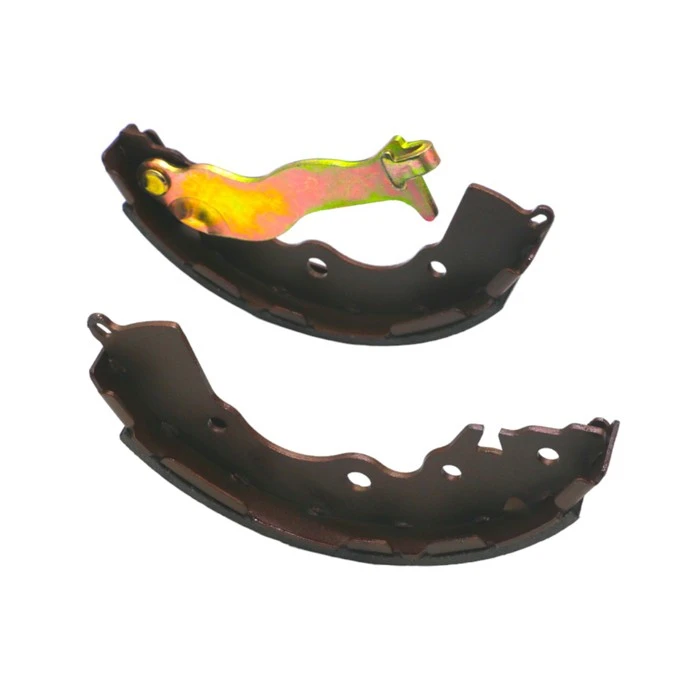

When to Consider Resurfacing vs. Replacement
While resurfacing rear drum brake shoes can be a cost - effective way to extend the life of your brakes, there are situations where replacement may be a better option.
- Severe Wear: If the brake linings are worn beyond the minimum thickness recommended by the manufacturer, resurfacing may not be sufficient. In this case, replacing the brake shoes is the safer and more reliable choice.
- Excessive Heat Damage: Brake linings that have been exposed to excessive heat can become glazed or cracked, reducing their effectiveness. If heat damage is present, replacement is usually necessary.
- Age of the Brake Shoes: Over time, brake shoes can deteriorate due to normal wear and tear. If your brake shoes are old and approaching the end of their expected lifespan, it may be more cost - effective in the long run to replace them rather than resurface them.
Our Offerings as a Rear Drum Brake Shoe Supplier
As a supplier of rear drum brake shoes, we offer a wide range of high - quality brake shoes to meet the needs of different vehicles and budgets. Our product lineup includes Ceramic Drum Brake Shoes, semi - metallic brake shoes, and organic brake shoes.
We understand that cost is an important factor for our customers, which is why we strive to offer competitive pricing without compromising on quality. Our brake shoes are manufactured using the latest technology and materials to ensure optimal performance and durability.
In addition to our standard product offerings, we also provide custom solutions for customers with specific requirements. Whether you need brake shoes for a classic car or a specialized vehicle, our team of experts can work with you to develop a solution that meets your needs.
Contact Us for Procurement
If you're in the market for rear drum brake shoes or have questions about the resurfacing process, we'd love to hear from you. Our team of knowledgeable sales representatives can provide you with detailed information about our products, pricing, and delivery options. We're committed to providing excellent customer service and helping you find the right brake solutions for your vehicles.
Don't hesitate to reach out to us for a quote or to discuss your procurement needs. We look forward to working with you and helping you keep your vehicles safe on the road.
References
- Chilton's Repair Manuals. Various editions for different vehicle makes and models.
- Brake Manufacturers' Technical Association (BMTA) publications.
- Automotive aftermarket industry research reports.