

Hey there, off - road enthusiasts! I'm an off - road brake pads supplier, and today I'm super excited to chat with you about how off - road brake pads perform on tundra terrains. Tundra terrains are a unique challenge, with their cold temperatures, icy patches, and uneven ground. So, let's dig into what makes a good off - road brake pad for these harsh conditions.
The Basics of Off - Road Brake Pads
First things first, let's talk about what off - road brake pads are. These aren't your regular brake pads you'd find on a daily commuter car. Off - road brake pads are designed to handle extreme conditions. They need to be durable, have excellent friction characteristics, and be resistant to high temperatures.
There are different types of off - road brake pads out there. For example, Sinter Brakes are known for their high - performance capabilities. They're made by sintering metal particles together, which gives them a strong structure. This makes them great for heavy - duty off - roading, like what you'd encounter in tundra areas.
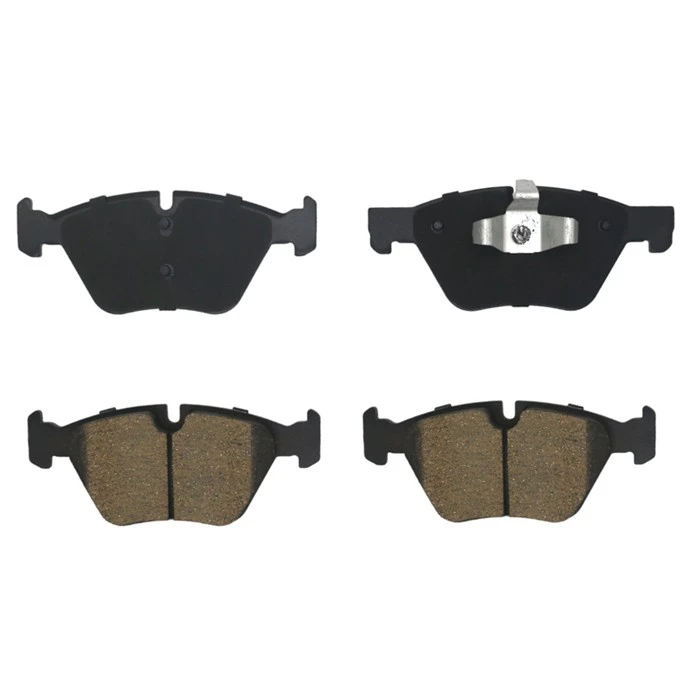
Another type is Low Dust Semi Metallic Brake Pads. These pads are a popular choice because they produce less dust compared to some other types. They also have a good balance between performance and cost. And then there are Copper Free Ceramic Brake Pads, which are environmentally friendly and offer smooth braking performance.
Performance on Tundra Terrains
Cold Temperature Resistance
One of the biggest challenges in tundra terrains is the cold. Cold temperatures can really affect the performance of brake pads. Regular brake pads might become less effective in the cold, as the friction material can harden. But off - road brake pads are designed to handle these low temperatures.
Sinter brakes, for instance, have a high - temperature tolerance range, which also extends to the lower end. They can maintain their friction coefficient even in freezing conditions. This means that you can still rely on your brakes to stop your vehicle effectively, whether you're driving on a frozen lake or through a snow - covered valley.
The low - dust semi - metallic brake pads also do a decent job in the cold. Their semi - metallic composition allows them to stay flexible enough to provide good braking force. And the copper - free ceramic brake pads? They're not only gentle on the environment but also perform well in cold weather. The ceramic material doesn't harden as easily as some other materials, so you get consistent braking performance.
Traction on Icy and Uneven Ground
Tundra terrains are full of icy patches and uneven ground. When you're driving on ice, your tires have less grip, and your brakes need to work extra hard to stop the vehicle safely. Off - road brake pads are designed to provide better traction in these conditions.
Sinter brakes have a rough surface texture that can bite into the brake rotors more effectively. This helps to transfer the braking force more efficiently, even when the wheels are slipping on ice. The semi - metallic brake pads, with their metal fibers, can also provide good traction. They can grip the rotors firmly, giving you more control over your vehicle's speed on uneven and slippery tundra roads.
The copper - free ceramic brake pads offer a smooth braking experience, which is crucial on icy ground. They can gradually slow down the vehicle without causing sudden stops that could lead to skidding. This smoothness gives you more confidence when driving in challenging tundra conditions.
Durability in Harsh Environments
Tundra terrains are harsh. There's a lot of dirt, sand, and small rocks that can get into your braking system. Off - road brake pads need to be durable enough to withstand these elements.
Sinter brakes are very tough. Their sintered metal structure is resistant to wear and tear from dirt and debris. They can last a long time, even in the most extreme off - road conditions. The semi - metallic brake pads also have good durability. The metal fibers in them add strength, and they can handle the abrasive nature of the tundra environment.
The copper - free ceramic brake pads are less prone to wear from dirt and sand. The ceramic material is smooth and doesn't easily get damaged by small particles. This means that you won't have to replace your brake pads as often when driving in tundra areas.
Factors to Consider When Choosing Off - Road Brake Pads for Tundra Terrains
Vehicle Type
The type of vehicle you have matters when choosing off - road brake pads. If you have a heavy - duty truck or SUV that you use for off - roading in the tundra, you'll need more powerful brake pads. Sinter brakes might be a great choice for these larger vehicles, as they can handle the extra weight and provide strong braking force.
On the other hand, if you have a smaller off - road vehicle, like a compact SUV or a crossover, the low - dust semi - metallic brake pads or copper - free ceramic brake pads could be sufficient. They offer good performance without being overkill for a lighter vehicle.
Driving Style
Your driving style also plays a role. If you're an aggressive driver who likes to push the limits on the tundra, you'll need brake pads that can handle high - speed stops and sudden braking. Sinter brakes are ideal for this type of driving. They can handle the intense heat generated from aggressive braking and still provide reliable performance.
If you're a more cautious driver, the copper - free ceramic brake pads might be a better fit. They offer a smooth and gentle braking experience, which is great for those who prefer a more relaxed driving style on the tundra.
Maintenance Tips for Off - Road Brake Pads in Tundra Terrains
Once you've chosen the right off - road brake pads for your tundra adventures, it's important to take good care of them. Here are some maintenance tips:
Regular Cleaning
After driving in the tundra, there's likely to be a lot of dirt and debris on your brake pads and rotors. Use a clean cloth and a brake cleaner to remove any dirt. This will prevent the dirt from causing excessive wear on the brake pads and rotors.
Inspection
Regularly inspect your brake pads for wear. Look for signs of thinning or uneven wear. If you notice any issues, it's important to replace the brake pads as soon as possible. This will ensure that your brakes are always in top - notch condition for your next tundra trip.
Lubrication
Some off - road brake pads require lubrication of the caliper pins. This helps to ensure that the calipers move smoothly, which is crucial for proper braking performance. Make sure to use a high - quality brake caliper lubricant and follow the manufacturer's instructions.
Conclusion
So, there you have it! Off - road brake pads are essential for a safe and enjoyable off - road experience in tundra terrains. Whether you choose Sinter Brakes, Low Dust Semi Metallic Brake Pads, or Copper Free Ceramic Brake Pads, each type has its own advantages in cold temperatures, on icy and uneven ground, and in harsh environments.
If you're looking for high - quality off - road brake pads for your tundra adventures, don't hesitate to get in touch. We have a wide range of options to suit different vehicles and driving styles. Contact us to discuss your needs and let's find the perfect brake pads for your off - road vehicle.

References
- Brake Pad Manufacturer's Guides
- Off - Road Vehicle Magazines
- Tundra Driving and Exploration Forums