

As a front brake lining supplier, ensuring the effectiveness of our products is of utmost importance. Brake linings are a critical component in a vehicle's braking system, and their performance directly impacts safety on the road. In this blog post, I'll share the methods I use to test the effectiveness of front brake linings, providing insights into the rigorous processes that guarantee the quality of our offerings.
Understanding the Basics of Front Brake Linings
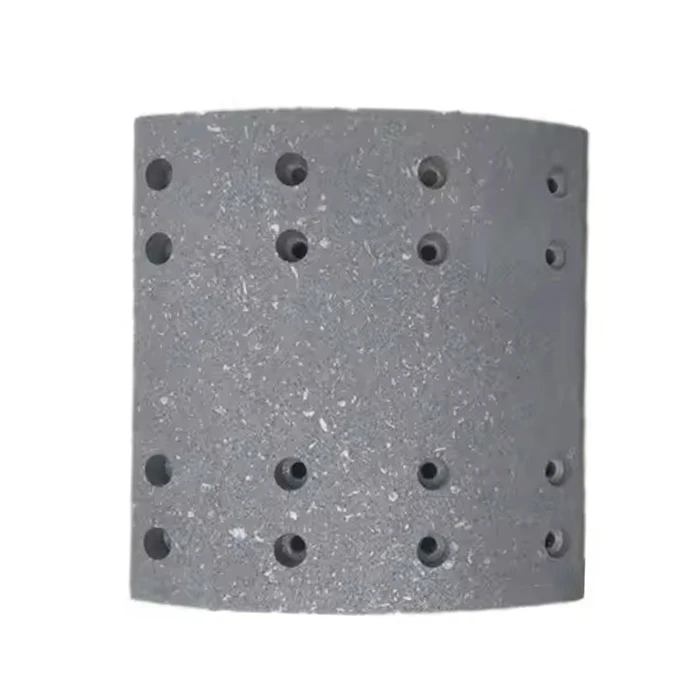
Before delving into the testing methods, it's essential to understand what front brake linings are and how they function. Front brake linings are friction materials that are attached to the brake shoes or pads. When the brakes are applied, the brake linings come into contact with the brake drum or rotor, creating friction that slows down or stops the vehicle. The effectiveness of front brake linings is determined by their ability to generate consistent and reliable friction under various conditions.
Dynamometer Testing
One of the most common and reliable methods for testing front brake linings is dynamometer testing. A dynamometer is a device that simulates the conditions of a vehicle's braking system. It allows us to measure the performance of brake linings under controlled and repeatable conditions.
Setup and Procedure
- Mounting the Brake Assembly: The first step in dynamometer testing is to mount the brake assembly, including the brake linings, onto the dynamometer. The assembly is carefully installed to ensure that it replicates the actual conditions in a vehicle.
- Simulating Braking Conditions: Once the brake assembly is mounted, the dynamometer simulates different braking conditions, such as varying speeds, loads, and temperatures. These conditions are carefully controlled to mimic real-world driving scenarios.
- Measuring Friction and Torque: As the brake linings come into contact with the brake drum or rotor, the dynamometer measures the friction force and torque generated. These measurements provide valuable data on the performance of the brake linings.
Analyzing the Results
The data collected from dynamometer testing is analyzed to evaluate the effectiveness of the front brake linings. Key parameters that are examined include:
- Friction Coefficient: The friction coefficient is a measure of the ability of the brake linings to generate friction. A higher friction coefficient indicates better braking performance.
- Torque Output: The torque output is the amount of force that the brake linings can generate to slow down or stop the vehicle. Consistent and reliable torque output is essential for effective braking.
- Wear Rate: The wear rate of the brake linings is also an important factor to consider. A low wear rate indicates that the brake linings are durable and will last longer.
On-Vehicle Testing
While dynamometer testing provides valuable data on the performance of front brake linings, on-vehicle testing is also necessary to evaluate their effectiveness in real-world conditions. On-vehicle testing involves installing the brake linings in a vehicle and conducting a series of tests on the road.

Test Drive Procedures
- Initial Inspection: Before the test drive, the vehicle is thoroughly inspected to ensure that all components of the braking system are in good working condition. This includes checking the brake fluid level, brake lines, and brake pads or shoes.
- Braking Tests: During the test drive, a series of braking tests are conducted at different speeds and under various conditions. These tests include normal braking, emergency braking, and repeated braking to simulate heavy use.
- Monitoring and Evaluation: Throughout the test drive, the performance of the brake linings is closely monitored. Parameters such as braking distance, pedal feel, and noise are evaluated to assess the effectiveness of the brake linings.
Customer Feedback
In addition to the on-vehicle testing, we also rely on customer feedback to evaluate the effectiveness of our front brake linings. Customer feedback provides valuable insights into the real-world performance of the brake linings, including their reliability, durability, and overall satisfaction.
Environmental Testing
Front brake linings are exposed to a variety of environmental conditions, such as heat, moisture, and chemicals. To ensure their effectiveness in these conditions, environmental testing is conducted.
Heat Testing
Heat testing is crucial to evaluate the performance of front brake linings under high temperatures. During heat testing, the brake linings are subjected to elevated temperatures to simulate the conditions of heavy braking. The test measures the ability of the brake linings to maintain their friction properties and resist thermal degradation.
Moisture Testing
Moisture can have a significant impact on the performance of front brake linings. Moisture testing involves exposing the brake linings to water or high humidity conditions to evaluate their resistance to corrosion and loss of friction.
Chemical Testing
Front brake linings may also be exposed to various chemicals, such as road salts and cleaning agents. Chemical testing is conducted to evaluate the resistance of the brake linings to these chemicals and ensure that they do not degrade or lose their effectiveness.
Quality Control and Certification
To ensure the effectiveness of our front brake linings, we have a strict quality control system in place. Every batch of brake linings undergoes rigorous testing and inspection before it is released for sale.
ISO Certification
We are committed to maintaining the highest standards of quality and safety. Our manufacturing processes are ISO certified, which means that they meet the international standards for quality management systems.
Compliance with Regulations
Our front brake linings also comply with all relevant national and international regulations, such as [mention relevant regulations]. This ensures that our products are safe and reliable for use in vehicles.
Conclusion
Testing the effectiveness of front brake linings is a complex and rigorous process that involves a combination of dynamometer testing, on-vehicle testing, environmental testing, and quality control measures. By using these methods, we can ensure that our front brake linings meet the highest standards of performance, reliability, and safety.
If you are in the market for high-quality front brake linings, we invite you to explore our range of products. Our Front Brake Lining and Brake Lining Set are designed to provide superior braking performance and durability. We also offer Trailer Brake Lining for commercial vehicles.
Contact us today to discuss your specific requirements and learn more about how our front brake linings can meet your needs. We look forward to the opportunity to work with you and provide you with the best braking solutions.
References
- Society of Automotive Engineers (SAE) standards on brake linings.
- International Organization for Standardization (ISO) standards for quality management systems.
- Industry research reports on brake lining performance and testing methods.