

As a car rear brake shoes supplier, I often get asked about how to test the effectiveness of these crucial components. It's not just about selling a product; it's about ensuring that the brake shoes we supply perform at their best and keep drivers safe on the road. In this blog, I'll share some practical ways to test the effectiveness of car rear brake shoes.
1. Visual Inspection
The first step in testing brake shoes is a simple visual check. You don't need any fancy tools for this. Just take a look at the brake shoes and see if there are any obvious signs of wear or damage.
- Thickness: The thickness of the brake shoe lining is a key indicator of its remaining life. Most brake shoes come with a recommended minimum thickness. If the lining is close to or below this limit, it's time to replace them. You can use a simple ruler or a brake shoe thickness gauge to measure it.
- Cracks and Chips: Look for any cracks or chips in the brake shoe lining. These can weaken the shoe and reduce its braking performance. Even small cracks can grow over time, leading to more serious problems.
- Contamination: Check for any signs of oil, grease, or other contaminants on the brake shoes. Contamination can reduce the friction between the brake shoe and the drum, making it harder to stop the vehicle. If you find any contamination, you'll need to clean or replace the brake shoes.
2. Dynamometer Testing
A dynamometer, or dyno for short, is a device that can measure the braking force of a vehicle. It's a more accurate way to test the effectiveness of brake shoes compared to visual inspection alone.
- How it Works: The vehicle is placed on the dyno, and the brakes are applied while the dyno measures the force required to stop the wheels. This force is then compared to the manufacturer's specifications to determine if the brake shoes are performing as expected.
- Benefits: Dynamometer testing can provide detailed information about the braking performance of the vehicle, including the braking force, torque, and temperature. This information can help you identify any problems with the brake shoes, such as uneven wear or a loss of braking power.
- Limitations: Dynamometer testing requires specialized equipment and trained technicians, so it's not something that you can do at home. It can also be expensive, especially if you need to test multiple vehicles.
3. Road Testing
Road testing is another important way to test the effectiveness of car rear brake shoes. It allows you to experience the braking performance of the vehicle in real-world conditions.
- Preparing for the Test: Before you start the road test, make sure that the vehicle is in good condition and that the brakes are properly adjusted. Check the brake fluid level and look for any signs of leaks. You should also make sure that the tires are properly inflated and that the vehicle is loaded evenly.
- The Test: Find a safe, quiet road where you can test the brakes without any distractions. Drive the vehicle at a moderate speed and then apply the brakes firmly. Pay attention to how the vehicle stops, including the distance it takes to stop, the smoothness of the braking, and any unusual noises or vibrations.
- Interpreting the Results: If the vehicle stops smoothly and quickly, without any unusual noises or vibrations, then the brake shoes are likely performing well. However, if you notice any problems, such as a long stopping distance, a pulsating brake pedal, or a screeching noise, then there may be an issue with the brake shoes.
4. Temperature Testing
The temperature of the brake shoes can also affect their performance. High temperatures can cause the brake shoes to fade, which means that they lose their braking power.
- How to Test: You can use an infrared thermometer to measure the temperature of the brake shoes after a hard stop. Aim the thermometer at the brake shoe and take a reading. Compare the temperature to the manufacturer's specifications to see if it's within the acceptable range.
- Why it Matters: If the brake shoes get too hot, they can start to glaze over, which reduces their friction and braking performance. Temperature testing can help you identify if the brake shoes are overheating, allowing you to take corrective action before it becomes a serious problem.
5. Noise Testing
Noise is another important factor to consider when testing the effectiveness of car rear brake shoes. Squealing, grinding, or other unusual noises can indicate a problem with the brake shoes.

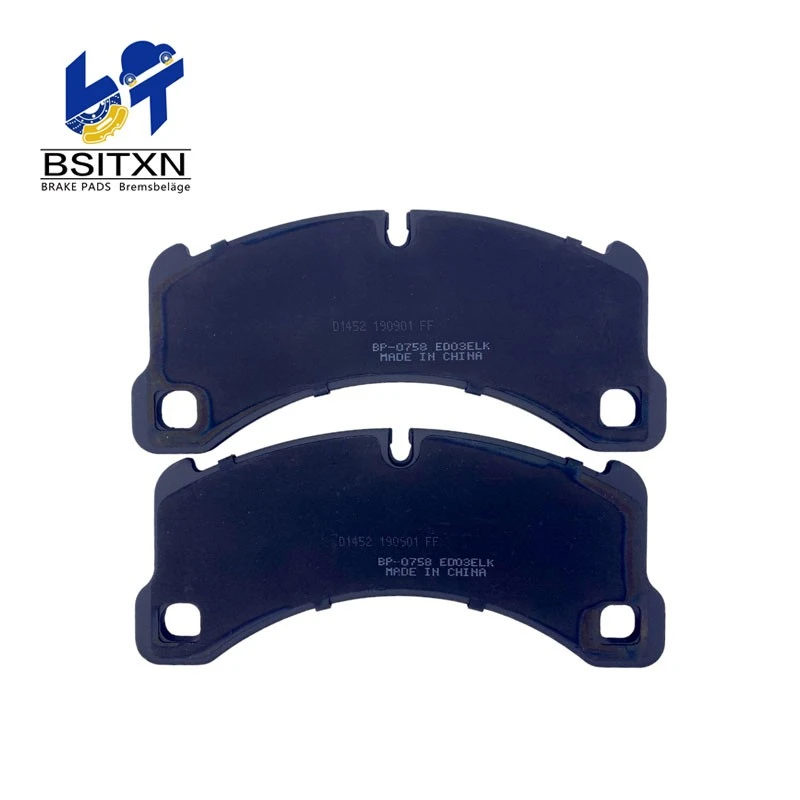
- Listening for Noises: Pay attention to any noises that the brakes make when you apply them. Squealing noises are often a sign of worn brake shoes, while grinding noises can indicate that the brake shoes have worn down to the metal backing.
- Addressing the Problem: If you hear any unusual noises, it's important to have the brake shoes inspected as soon as possible. Ignoring the problem can lead to more serious damage to the brakes and other components of the vehicle.
6. Comparing with Quality Products
As a car rear brake shoes supplier, I always recommend comparing the performance of your brake shoes with high-quality products on the market. For example, you can check out Quiet Brake Pads and D145 Disc Ceramic Less Metal Brake Pads 0014209920. These products are known for their excellent braking performance and durability. By comparing your brake shoes with these top-quality products, you can get a better idea of how they stack up in terms of effectiveness.
Conclusion
Testing the effectiveness of car rear brake shoes is an important part of ensuring the safety and performance of your vehicle. By using a combination of visual inspection, dynamometer testing, road testing, temperature testing, and noise testing, you can get a comprehensive understanding of the braking performance of your vehicle. If you're in the market for high-quality car rear brake shoes, don't hesitate to reach out to us. We're here to help you find the right products for your needs and ensure that your brakes are working at their best. You can also explore more options on our Discs And Brake Pads page.
References
- "Automotive Brake Systems" by William C. Hagenbuch
- "Brake Handbook" by James D. Halderman