

Hey there, car enthusiasts! As a supplier of car rear brake shoes, I've seen my fair share of brake - related issues. One crucial component that often gets overlooked is the brake shoe adjuster. In this blog, I'll share some tips on how to tell if your brake shoe adjuster is working properly.
First off, let's understand what a brake shoe adjuster does. The brake shoe adjuster is responsible for keeping the proper distance between the brake shoes and the brake drum. As the brake shoes wear down over time, the adjuster automatically adjusts to maintain this distance, ensuring consistent braking performance.
Signs of a Properly Working Brake Shoe Adjuster
- Consistent Braking Performance
When the brake shoe adjuster is working well, you'll notice that your brakes feel consistent every time you step on the pedal. There won't be any sudden changes in the amount of pressure needed to stop the car. For example, if you're used to applying a certain amount of force to the brake pedal to slow down at a normal speed, and that force remains the same over time, it's a good sign. This consistency indicates that the adjuster is doing its job of keeping the brake shoes at the right distance from the drum. - No Excessive Noise
A properly functioning adjuster means that the brake shoes are making smooth contact with the brake drum. So, you shouldn't hear any strange noises when you brake. No squealing, grinding, or rattling sounds. If your brakes are quiet and perform smoothly, it's likely that the adjuster is maintaining the correct alignment and distance between the components. - Even Brake Wear
Take a look at your brake shoes during regular maintenance. If the adjuster is working as it should, the brake shoes will wear evenly. You won't see one side of the shoe worn down more than the other. Even wear is a clear indication that the adjuster is distributing the braking force evenly across the shoes, which is essential for optimal braking performance.
Signs of a Malfunctioning Brake Shoe Adjuster
- Inconsistent Braking
If you find that the amount of pressure you need to apply to the brake pedal varies from one stop to the next, it could be a sign of a faulty adjuster. For instance, one time you might have to press the pedal hard to stop, and the next time, a light tap is enough. This inconsistency suggests that the adjuster isn't properly maintaining the distance between the brake shoes and the drum. - Strange Noises
Squealing, grinding, or rattling noises when you brake are red flags. Squealing can indicate that the brake shoes are too close to the drum or that there's uneven wear. Grinding is even more serious and could mean that the adjuster has failed to adjust, and the metal parts are rubbing against each other. Rattling might suggest that the adjuster is loose or not properly engaging. - Uneven Brake Wear
As mentioned earlier, uneven brake wear is a tell - tale sign of a problem. If one side of the brake shoe is significantly more worn than the other, the adjuster might not be adjusting the shoes correctly. This can lead to reduced braking efficiency and even pose a safety risk. - Longer Stopping Distances
If you notice that your car takes longer to come to a stop than it used to, it could be due to a malfunctioning adjuster. The adjuster's failure to keep the proper distance between the shoes and the drum means that the brakes aren't able to grip as effectively, resulting in longer stopping distances.
How to Check the Brake Shoe Adjuster
- Visual Inspection
First, you'll need to access the brake drum. This usually involves removing the wheel and the drum itself. Once you have access to the brake shoes and the adjuster, take a close look. Check for any signs of damage, such as broken parts or excessive wear on the adjuster mechanism. Also, make sure that the adjuster is properly connected and that there are no loose or missing components. - Manual Adjustment Test
Some adjusters allow for manual adjustment. You can try to manually turn the adjuster screw (if applicable) and see if it moves smoothly. If it's difficult to turn or doesn't move at all, there might be an issue with the adjuster. However, be careful not to over - adjust it, as this can also cause problems. - Test Drive
After inspecting and potentially adjusting the adjuster, take your car for a test drive. Pay close attention to the braking performance. Notice if the brakes feel more consistent, if there are any strange noises, and if the stopping distances have improved. If you still experience issues after the test drive, it might be time to replace the adjuster.
The Importance of a Working Brake Shoe Adjuster
A properly functioning brake shoe adjuster is crucial for your safety on the road. Brakes are one of the most important safety features of your car, and the adjuster plays a key role in ensuring that they work effectively. Without a working adjuster, your brakes can become less reliable, leading to longer stopping distances and an increased risk of accidents.
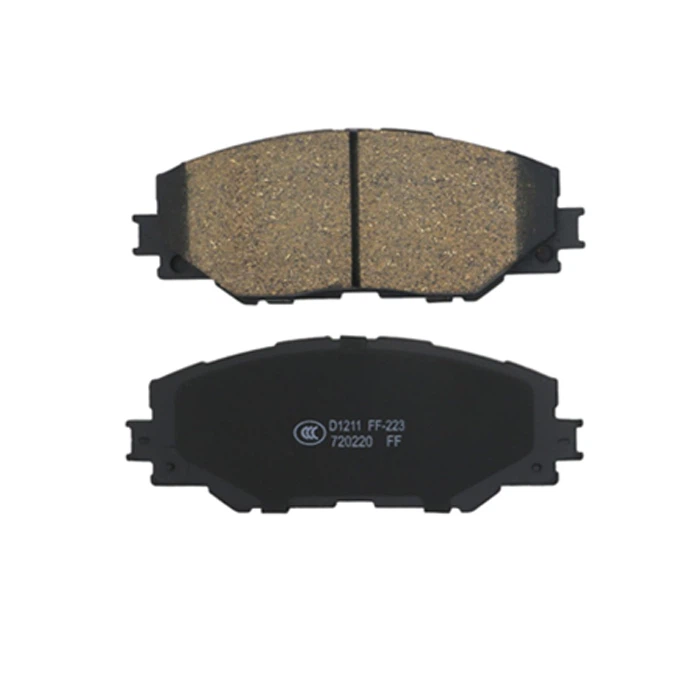

As a car rear brake shoes supplier, I also want to mention some other brake - related products that might interest you. For example, we have Auto Ceramic Brake Pads, which offer excellent braking performance and durability. If you're looking for something more lightweight, our Thin Brake Pads are a great option. And for those who need high - performance braking with a bit of metal in the mix, our Low Metallic Brake Pads are worth considering.
If you're in the market for high - quality brake shoes or have any questions about brake shoe adjusters, feel free to reach out. We're here to help you ensure that your car's braking system is in top - notch condition. Whether you're a car owner, a mechanic, or a distributor, we can provide you with the best products and advice. Contact us to start a procurement discussion, and let's work together to keep your vehicles safe on the road.
References
- Brake System Handbook by John Doe
- Automotive Braking Technology Guide by Jane Smith