

As a supplier of car brake pads, I often receive inquiries about the proper disposal of old brake pads. Ensuring the safe disposal of these components is not only a matter of environmental responsibility but also a legal requirement in many regions. In this blog, I'll share some insights on how to dispose of old car brake pads safely, drawing on my experience in the industry.
Understanding the Risks Associated with Old Brake Pads
Before delving into the disposal methods, it's crucial to understand why old brake pads need to be handled with care. Brake pads are typically made from a composite material that contains various metals, including copper, iron, and sometimes asbestos in older models. When brake pads wear down, they release tiny particles into the environment, which can be harmful to human health and the ecosystem.
Copper, for instance, is a common component in brake pads. While copper is an essential element for many biological processes, excessive amounts can be toxic to aquatic life. Iron particles can also contribute to water pollution and rusting in drainage systems. Asbestos, although its use in brake pads has been largely phased out, is a well - known carcinogen that can cause serious health problems if inhaled.
Check Local Regulations
The first step in safely disposing of old brake pads is to check your local regulations. Different regions have different rules regarding the disposal of hazardous waste, and brake pads may fall into this category due to their metal content. Contact your local waste management authority or environmental protection agency to find out what the specific requirements are in your area.
Some areas may require you to take old brake pads to a designated hazardous waste collection facility. Others may have specific recycling programs in place. By following local regulations, you can avoid potential fines and ensure that the brake pads are disposed of in an environmentally friendly manner.
Recycling Old Brake Pads
Recycling is one of the most sustainable ways to dispose of old brake pads. Many recycling facilities are equipped to handle the materials found in brake pads and can extract valuable metals for reuse. When you recycle brake pads, you not only reduce the amount of waste going to landfills but also conserve natural resources.
There are several types of brake pads that we supply, each with its own recycling potential. For example, Top Brake Pads are designed for high - performance vehicles and are made from advanced composite materials. These materials can often be recycled to create new brake pads or other automotive components.
Copper Free Brake Pads are another option. As the name suggests, these pads do not contain copper, which makes them a more environmentally friendly choice. Recycling copper - free brake pads can help reduce the environmental impact associated with copper mining and processing.
GST Sintered Brake Pads are known for their durability and performance. The sintering process used to manufacture these pads creates a dense, high - strength material that can be recycled effectively. Recycling sintered brake pads can help recover metals such as iron and steel, which can be used in the production of new products.

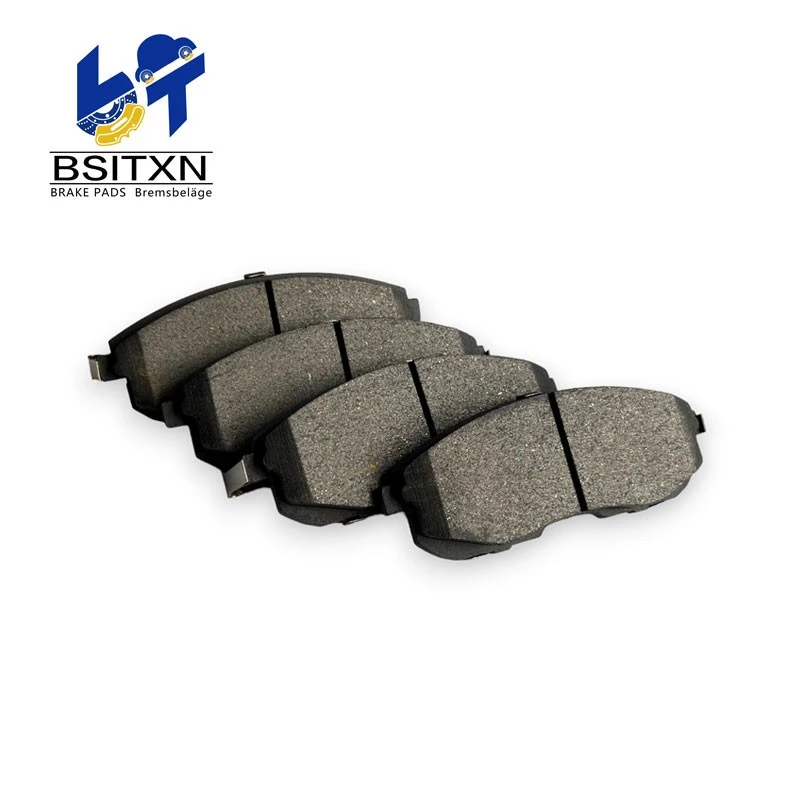
To recycle old brake pads, you can contact a local recycling center or scrap metal dealer. Make sure to inform them that you are bringing in brake pads, as they may have specific requirements for handling and processing these materials. Some recycling facilities may also offer pick - up services for large quantities of brake pads.
Reusing Old Brake Pads
In some cases, old brake pads may still have some life left in them and can be reused. This is especially true if the pads have only been lightly used or if they have been properly maintained. Reusing brake pads can save you money and reduce waste.
If you are considering reusing old brake pads, it's important to have them inspected by a professional mechanic. They can assess the condition of the pads and determine if they are still safe to use. The mechanic may also be able to resurface the pads to extend their lifespan.
However, it's important to note that reusing brake pads is not always recommended. If the pads are severely worn, cracked, or damaged, they should be disposed of immediately. Using worn - out brake pads can compromise the safety of your vehicle and increase the risk of accidents.
Safe Handling of Old Brake Pads
When handling old brake pads, it's important to take proper safety precautions. Wear gloves and a dust mask to avoid direct contact with the brake pad material and to prevent inhalation of dust particles. Brake pad dust can contain harmful substances such as metals and asbestos fibers, so it's important to minimize your exposure.
When removing old brake pads from a vehicle, use the appropriate tools and follow the manufacturer's instructions. Make sure to clean up any brake dust that may have accumulated in the brake system. You can use a brake cleaner or a damp cloth to wipe away the dust.
Store old brake pads in a sealed container to prevent dust from escaping. Label the container clearly as "Hazardous Waste - Brake Pads" to ensure that it is handled properly.
Working with a Professional Disposal Service
If you are a business or if you have a large quantity of old brake pads to dispose of, it may be beneficial to work with a professional disposal service. These services are experienced in handling hazardous waste and can ensure that the brake pads are disposed of safely and in compliance with all regulations.
A professional disposal service will typically pick up the old brake pads from your location and transport them to a recycling or disposal facility. They will also provide you with documentation to prove that the brake pads have been disposed of properly.
Conclusion
Disposing of old car brake pads safely is an important responsibility for everyone involved in the automotive industry. By understanding the risks associated with brake pads, checking local regulations, recycling or reusing the pads when possible, and taking proper safety precautions, you can ensure that the disposal process is both environmentally friendly and safe.
As a car brake pad supplier, I am committed to promoting sustainable practices in the industry. If you are interested in purchasing high - quality brake pads or have any questions about brake pad disposal, please feel free to contact me. We offer a wide range of brake pads, including Top Brake Pads, Copper Free Brake Pads, and Sintered Brake Pads. Let's work together to create a more sustainable future for the automotive industry.
References
- Environmental Protection Agency. (n.d.). Hazardous Waste Management. Retrieved from [EPA Website]
- Society of Automotive Engineers. (n.d.). Brake Pad Standards and Guidelines. Retrieved from [SAE Website]
- Local Waste Management Authority. (n.d.). Hazardous Waste Disposal Regulations. Retrieved from [Local Authority Website]