

Hey there! As a supplier of bus front brake pads, I often get asked about how to properly dispose of old ones. It's a crucial topic, not just for environmental reasons but also for safety. So, let's dive right in and figure out the best ways to handle these used brake pads.
First off, why is it so important to dispose of old bus front brake pads correctly? Well, brake pads are made up of various materials, some of which can be harmful to the environment if not handled properly. For instance, many brake pads contain asbestos, which was once a common ingredient due to its heat-resistant properties. However, we now know that asbestos is a carcinogen, and exposure to it can lead to serious health issues like lung cancer and mesothelioma. Even modern brake pads, which are often asbestos-free, can still contain other heavy metals like copper, lead, and zinc. These metals can leach into the soil and water if the brake pads are simply thrown away, causing pollution and potential harm to wildlife and humans.
So, what are our options for disposing of old bus front brake pads?
Recycling
Recycling is one of the best ways to deal with old brake pads. When you recycle, you're not only reducing waste but also conserving natural resources. Many recycling facilities are equipped to handle brake pads. They can extract valuable metals like copper and iron from the pads, which can then be reused in the manufacturing of new products.
To recycle your old bus front brake pads, you first need to find a local recycling center that accepts them. You can do a quick online search or call your local waste management department for recommendations. Once you've found a suitable center, you'll need to prepare the brake pads for recycling. This usually involves cleaning them to remove any dirt or debris. Some recycling centers may also require you to separate the different components of the brake pads, such as the friction material and the metal backing plate.
Recycling brake pads not only helps the environment but can also save you money in the long run. Some recycling centers may even offer you a small fee for your used brake pads, which can offset the cost of purchasing new ones.

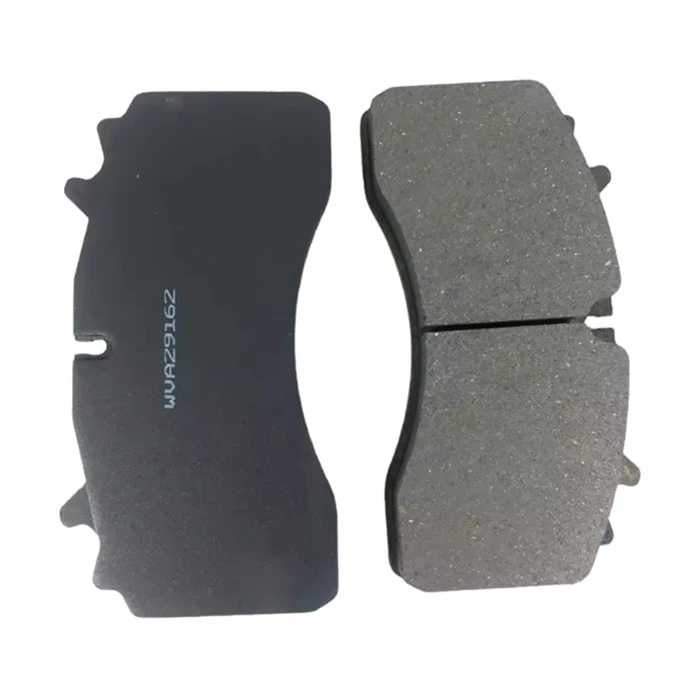
Return to the Manufacturer
Another option is to return the old brake pads to the manufacturer. Many brake pad manufacturers have a take-back program in place. This means that they'll accept your used brake pads and recycle or dispose of them properly. Returning the pads to the manufacturer ensures that they're handled in accordance with strict environmental and safety standards.
If you're a supplier like me, you can also encourage your customers to return the old brake pads to you. You can then send them back to the manufacturer as a batch. This not only simplifies the process for your customers but also helps you build a good relationship with them by showing that you care about the environment.
Hazardous Waste Disposal
In some cases, old brake pads may be considered hazardous waste. This is especially true if they contain asbestos or other highly toxic materials. If you suspect that your brake pads are hazardous, you need to handle them with extreme caution.
Hazardous waste disposal is a more complex process than regular recycling. You'll need to contact a licensed hazardous waste disposal company. These companies have the expertise and equipment to safely handle and dispose of hazardous materials. They'll usually come to your location, collect the brake pads, and transport them to a specialized treatment facility.
It's important to note that improper disposal of hazardous waste can result in hefty fines and legal consequences. So, make sure you follow all the necessary regulations when dealing with hazardous brake pads.
Landfill Disposal (as a Last Resort)
Landfill disposal should be your last option. While it's the easiest way to get rid of old brake pads, it's also the most environmentally unfriendly. When brake pads are sent to landfills, they can release harmful chemicals into the soil and groundwater over time.
If you have no other choice but to dispose of the brake pads in a landfill, make sure you check with your local landfill to see if they accept them. Some landfills may have specific requirements for disposing of brake pads, such as wrapping them in a special container or labeling them as hazardous waste.
As a bus front brake pad supplier, I always recommend recycling or returning the pads to the manufacturer whenever possible. It's not only better for the environment but also for your business's reputation. Customers are increasingly looking for suppliers who are environmentally responsible, and by promoting proper brake pad disposal, you can set yourself apart from the competition.
If you're in the market for high-quality Bus Front Brake Pads, look no further. We also offer a wide range of Commercial Brake Pads and Rear Truck Brake Pads to meet your needs. If you have any questions or would like to discuss your brake pad requirements, feel free to reach out. We're here to help you make the right choice for your vehicles.
In conclusion, proper disposal of old bus front brake pads is essential for protecting the environment and ensuring public safety. Whether you choose to recycle, return them to the manufacturer, or use hazardous waste disposal, make sure you do it right. And if you're in need of new brake pads, don't hesitate to contact us. We're committed to providing you with the best products and services in the industry.
References
- Environmental Protection Agency (EPA). "Waste Management Basics."
- National Highway Traffic Safety Administration (NHTSA). "Brake Safety Facts."
- International Association of Auto Recycling (IARA). "Recycling Automotive Parts."